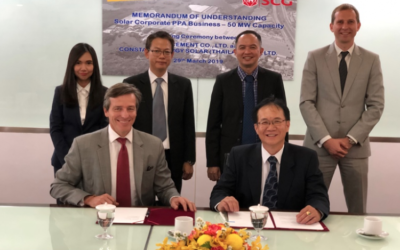
Constant Energy signs MoU with Siam Cement Group (SCG Cement), to deploy 50MW of C&I solar PV plants, with the company chief planning for an energy storage component on many of the projects.
French energy giant teams up with Myanmar-focused off-grid energy specialist, Mandalay Yoma, to help spur rural electrification across the Southeast Asian country with mini-grids combining PV, diesel and battery storage.
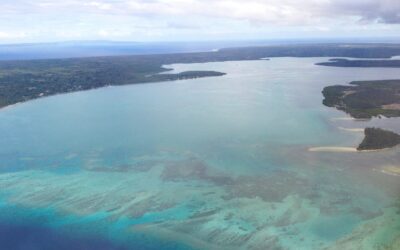
The Asian Development Bank (ADB) has agreed to part-fund a US$53.2 million undertaking to power Tonga with renewable energy, including the installation of 22.2MWh of energy storage.
Artificial intelligence company eVolution Networks has joined a “new generation energy and infrastructure” joint venture (JV) formed by one of Japan’s biggest trading conglomerates, Mitsui, and major Chinese PV company GCL-Poly.
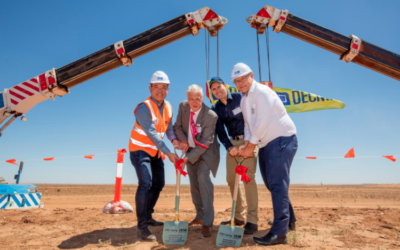
Maoneng Australia has said energy storage can improve the reliability of solar and “minimise the technical and commercial impacts” of electric system modernisation, as the developer broke ground on a 255MW solar project in New South Wales, Australia.
Perth-based Hybrid Systems and BayWa r.e. have reaped the lion’s share of the first round of a programme to roll out ‘standalone power systems’ (SPS) across Western Australia.
SA Water, which delivers water to more than one-and-a-half million people in South Australia, has picked out local contractor Enerven to execute the roll-out of PV and battery storage across 70 of its facilities in the next 18 months.
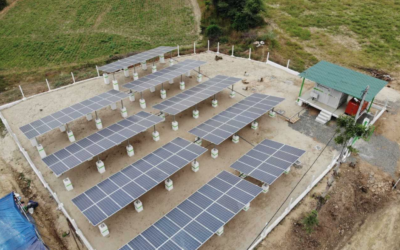
The Senate committee examining a house bill granting a PV mini-grid franchise to renewable energy firm Solar Philippinnes has been debating the reach of the franchise as well as its exclusivity, with the discussion to reconvene in May after the general election.
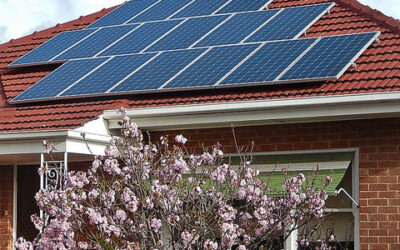
Both major parties in the election race for the Australian state of New South Wales have put forward plans focusing on solar and storage for households, with some mixed but mostly positive reaction from the industry.