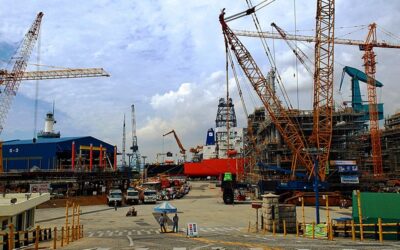
Australia-headquartered engineering and professional services company WorleyParsons said its first EPC contract for a battery storage project in the US shows how the energy sector is moving from “mega projects” to “portfolios of smaller projects”.
India-based EPC firm Sterling and Wilson has forayed into hybrid power plants and energy storage solutions and is already in advanced discussions for its first such projects in Africa and Europe.
UPDATE: Major Indian solar EPC firm Mahindra Susten has put in the lowest bid for a solar and energy storage auction in the Andaman and Nicobar Islands for the second time, having seen its victory in the original auction torn away by authorities as they reportedly explored other sources of power generation.
Bulgana Green Energy Hub, a renewable energy project powering commercial crop farms in Victoria, Australia, including large-scale wind and battery energy storage, will be designed and constructed by Siemens Gamesa.
TEPCO, one of Japan’s national utilities and grid operators, will roll out home solar-plus-storage systems for its customers as part of a drive to create a renewable energy retail business.
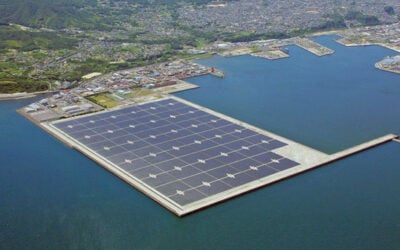
Various companies in the Hyundai engineering and industrial construction group will work together on a 65MW solar PV plant with 130MWh of co-located battery energy storage in Seosan, South Korea.
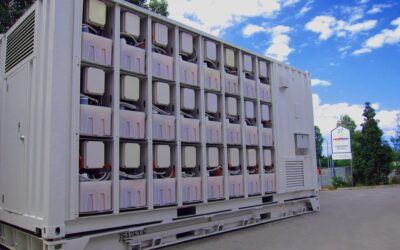
It’s been predicted for some time that the redox flow energy storage space will, after some turmoil and rapid consolidation, find success in providing energy storage at durations of more than four hours. This past couple of weeks have been a tale of both turmoil and success.
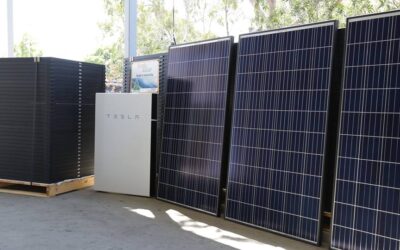
Simply Energy, the Australian retail arm for ENGIE, will aggregate 6MW of Tesla household batteries together with 2MW of demand response at commercial premises in Adelaide in a project supported by the government-backed Australian Renewable Energy Agency (ARENA).
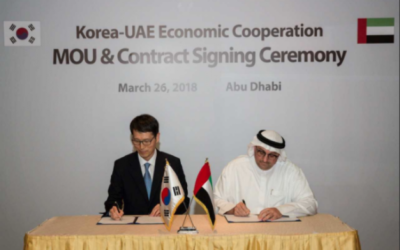
Masdar, the Abu Dhabi Future Energy Company, has signed a memorandum of understanding with the Korea Energy Agency (KEA) for renewable energy collaboration and investment between South Korea and the UAE.