Investor Quinbrook has sold a 49% stake in the 1.4GWh Gemini solar-plus-storage project in Nevada, US, to Dutch pension asset manager APG.
Quinbrook Infrastructure Partners has sold the stake to APG Asset Management NV, which has bought the stake on behalf of its pension fund client ABP.
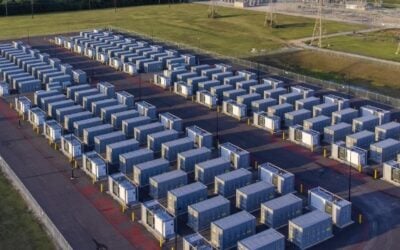
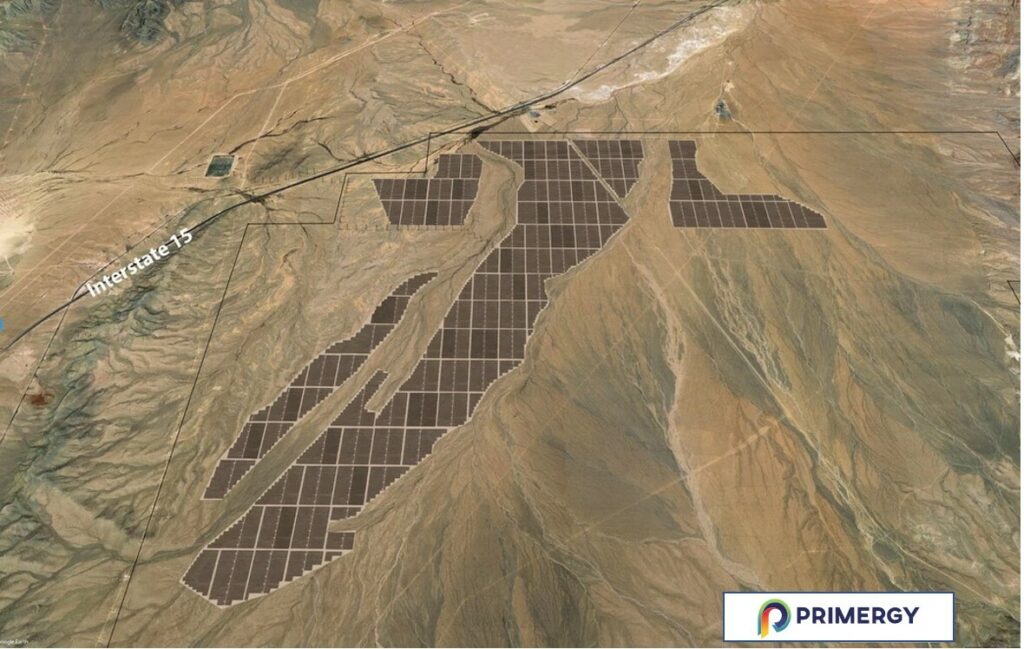
Gemini is a solar-plus-storage project 25 miles from Las Vegas which pairs 690MWac/966MWdc of solar power and a 380MW/1,416MWh battery energy storage system, one of the largest in the world.
It is being developed by Quinbrook investee Primergy, which already has a 25-year power purchase agreement (PPA) with Berkshire Hathaway-owned utility NV Energy for the offtake.
Try Premium for just $1
- Full premium access for the first month at only $1
- Converts to an annual rate after 30 days unless cancelled
- Cancel anytime during the trial period
Premium Benefits
- Expert industry analysis and interviews
- Digital access to PV Tech Power journal
- Exclusive event discounts
Or get the full Premium subscription right away
Or continue reading this article for free
Quinbrook said it selected APG ‘…following the receipt of multiple offers from a diverse group of prospective investors, ranging across the industrial and financial investor landscape’.
David Scaysbrook, co-founder and Managing Partner of Quinbrook said: “Given the scale and impact of Gemini, we felt APG was an exemplary partner for us that is differentiated by its sophisticated approach to the Gemini project and to the US renewables market more generally.
“Our Primergy team will continue to manage the construction and operational phases of Gemini with some exciting milestones coming up as the mammoth Gemini Project takes shape.”
Ty Daul, CEO of Primergy Solar said: “The size, innovative integration of battery storage and siting on federal lands makes Gemini one of the most sophisticated clean energy projects ever developed.”
In March, Primergy awarded Kiewit Power Constructors Co. the Gemini project’s engineering, procurement and construction (EPC) contract and IHI Terrasun Solutions responsibility to deliver and integrate the BESS portion.
The following month, the company secured US$1.3 billion in debt financing and US$532 million in tax equity financing to deliver on the project, which is expected to go into operation in late 2023.
The solar-plus-storage operational project with the largest energy storage component in the world is Florida Power & Light’s Manatee project which contains a 409MW/900MWh BESS unit. The largest in development is Terra-Gen’s Edwards Sanborn project in California, which has a battery storage unit that has recently grown to a planned 3,291MWh capacity.