The government of Poland looks set to run further capacity market (CM) auctions with the specific aim of enabling gas plants to win, after BESS wiped the floor with the technology at the last auction.
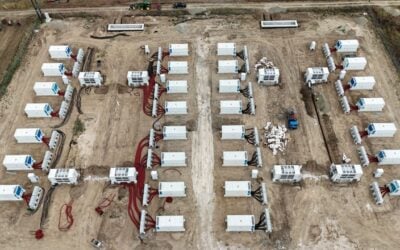
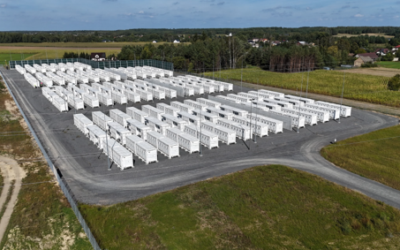
Battery energy storage system (BESS) projects won around 2.5GW of CM contracts in December’s auction for delivery starting in 2029, out of a total of 12GW of contracts. BESS won 50% more than it did in 2023’s auction (1.7GW) despite a de-rating factor cut for the technology to 61%.
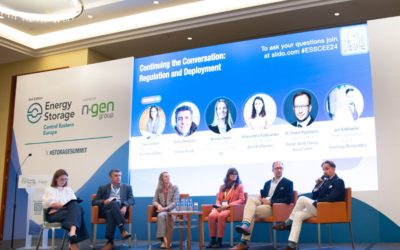
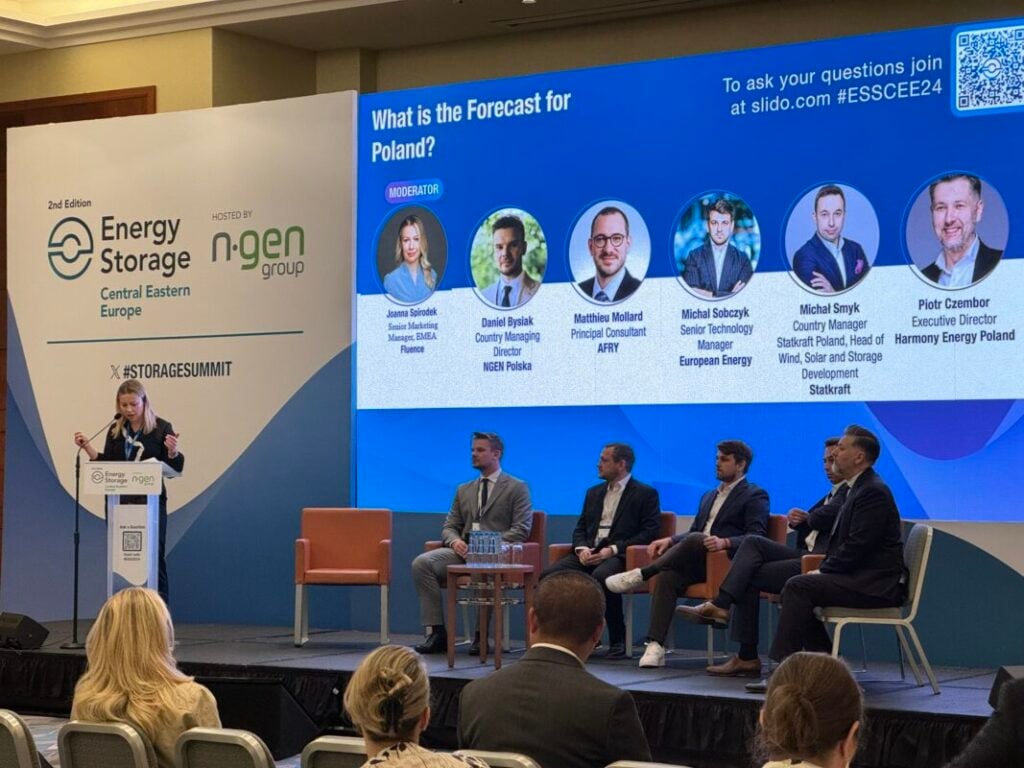
Delegates at Solar Media’s Energy Storage Summit Central Eastern Europe (CEE) 2024 in September told Energy-Storage.news that the de-rating factor cut was aimed to giving a pricing advantage to new gas power plants, an industry with a strong lobby.
An executive at BESS developer Harmony Energy had initially called the de-rating cut a ‘lethal blow’ to the market in May, though changed his mind by the time of the event.
Try Premium for just $1
- Full premium access for the first month at only $1
- Converts to an annual rate after 30 days unless cancelled
- Cancel anytime during the trial period
Premium Benefits
- Expert industry analysis and interviews
- Digital access to PV Tech Power journal
- Exclusive event discounts
Or get the full Premium subscription right away
Or continue reading this article for free
And, as some predicted, the increasing cost-competitiveness of BESS technology meant it won more than was expected and gas, on the other hand, won virtually no contracts in the December auction.
Independent power producers (IPPs) Qair and GoldenPeaks Capital both this week announced themselves as behind winning BESS projects in the December 2024 auction, with Qair winning contracts for two 200MW/400MWh projects and and GoldenPeaks winning a contract for a 280MWh system.
The CM auctions in Poland are being run to replace capacity from de-commissioned coal plants as Poland looks to wean itself off of the technology – which is no longer eligible for the CM from 2025 onwards – and delegates also said more CM auctions might not be needed after 2024’s auction, for the time being.
However, numerous reports are now emerging in local Polish press that the government is working on an amendment to the Capacity Market Act to run extra auctions that will hand out contracts for delivery in 2029/2030.
According to the reports, those auctions will be available to all technologies and participants as before, but that parameters will be changed to further advantage gas plants and ensure they can win contracts, potentially by reducing the de-rating factor again. The argument is that energy storage is not reliable enough and that gas plants are the only way to secure the long-term security of the Polish energy system.
This week saw state-owned power producer PGE choose LG Energy Solution to provide the BESS for a 263MW/900MWh project, which also has a CM contract. Other BESS winners in December’s auction were developers OX2, R.Power, Hynfra, Columbus and European Energy.