
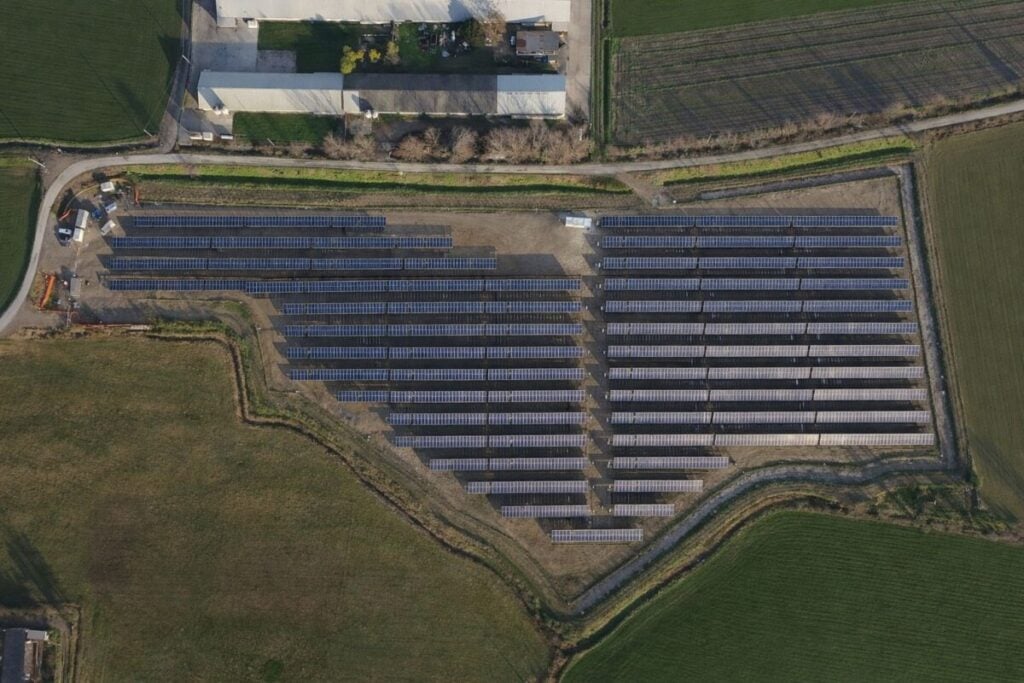
We catch up with Ingmar Wilhelm, co-founder and CEO of developer and IPP Galileo, after the firm commissioned its first own-operate renewable energy project.
Galileo is a pan-European clean energy project developer, which has primarily been active in solar to-date and also largely been a conventional sell-at-shovel-ready development play.
It is now transitioning to becoming an independent power producer (IPP), financing, owning and operating projects it has developed in-house. That has kicked off with a small, 3MW solar PV plant in Lombardy, Italy, commissioned last month. The transition is partially just a consequence of the time passed since being founded in 2021.
“The plan always included either selling or financing our projects once they got to a certain maturity, but you need to sell a few projects to get a real understanding of their value, by seeing them from another company’s perspective,” Wilhelm says.
Try Premium for just $1
- Full premium access for the first month at only $1
- Converts to an annual rate after 30 days unless cancelled
- Cancel anytime during the trial period
Premium Benefits
- Expert industry analysis and interviews
- Digital access to PV Tech Power journal
- Exclusive event discounts
Or get the full Premium subscription right away
Or continue reading this article for free
Market for in-development projects ‘completely different’ now
However, there is also a wider industry trend of early-stage project development becoming less lucrative and therefore more of the value (i.e. money to be made) in owning and operating projects yourself. This is the case in all mature renewable energy markets.
“Investors in Europe created quite a high exposure with the acquisition of pipelines done in 2022 and 2023, and some of them burned their fingers by paying too high prices,” Wilhelm explains.
“Now, the reaction of this is a more financially-driven market with a lot more scrutiny into whatever investors are considering to buy. They want to precisely understand both the projects and the people working on them.”
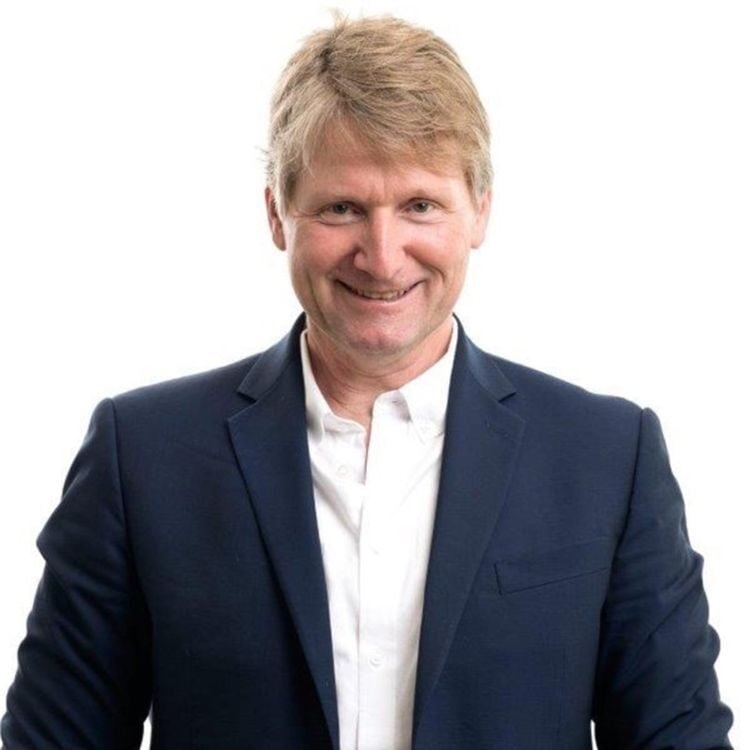
“So the market for projects before RTB or FID (final investment decision) status is now completely different to the one that we were looking at three years ago. Value recognition is still at a good level, but in particular for technologies in markets where they are not yet strongly supplied.”
The firm now has a large pipeline of projects that will soon need to hit the FID stage. “Galileo will build some, sell others, and out of this wide array of complementary technologies, build renewable energy generation positions that are in sync with demand,” Wilhelm says.
Providing customers with the power that they want
That last point is speaking to the fact that, as more intermittent renewables are deployed, their price curves are increasingly out of sync with demand, reflected in increasing curtailment and negative prices across Europe’s big solar PV markets like Germany and Spain.
Wilhelm agrees that the power purchase agreement (PPA) market is heading to renewables-plus-energy-storage deals that can provide buyers with power when they actually need it.
“The offering will certainly evolve in that direction. A green green electricity led supply contract with energy customers, where we will target to provide the full 24/7 supply that you need. The products need to be accepted and wanted by customers, and its on us as developers and sellers to provide that.”
“I think the momentum behind the energy transition will be much stronger if the companies really want the electricity we can provide. Otherwise we are dependent on governments. That was needed for a long time because of the cost disadvantage of these technologies, but that’s now been overcome.”
The first of these deals in Europe are starting to be seen, with IPP Zelestra securing two in Spain (one for a greenfield solar-plus-storage project, one enabling the addition of BESS to an existing solar site).
Next transactions for Galileo: Spain, Poland and Italy portfolios
We then ask Wilhelm about the next BESS portfolios that it will be bringing to the market, whether for a sale to another company or to secure project financing to build in-house. He says that these will be in Poland, Spain and Italy.
“We’re currently looking at bringing to the market, to sell, a small portfolio of battery projects in Poland. I think that that is a transaction that we’ll be seeing this year,” Wilhelm says.
“We’re equally considering the sale of a very attractive portfolio of battery projects in Spain, many of them will reach RTB during the course of this year.”
This is most likely part of a 700MW of grid-secured projects across Spain the company announced yesterday (12 May), comprising solar, batteries and onshore wind.
But most interesting, from the perspective of being a storage IPP, is its Italian activity. Wilhelm: “Then we are considering to build out a battery project here in Italy. We have a cluster of solar projects in the Campania region which are very advanced. And in the middle of them there is a sizeable battery project. And I think that would suit the medium term strategy I alluded to earlier of combining a set of technologies in one market zone to finally meet customer demand.”
Our chat comes ahead of the Renewables Procurement & Revenue Summit, in London next week (20-21 May). Hosted by our publisher Solar Media, the summit will cover PPA design, tackling high energy prices and more; for more information, including the full agenda and ticket options, visit the event website.
