The news comes as Japan’s utilities push for the restart of nuclear power facilities, amid a backdrop of legal battles and public debate. Image: Andy Colthorpe
A Japanese utility which last year temporarily suspended new grid applications for large-scale solar, sparking a wave of similar suspensions by other utilities, will install a huge battery project aimed at integrating a higher capacity of renewable energy generation.
Kyushu Electric became the first of five Japanese utilities to suspend new applications for grid connection, citing supply and demand imbalances and other grid issues. The issue has had a serious knock-on effect for the country’s solar industry.
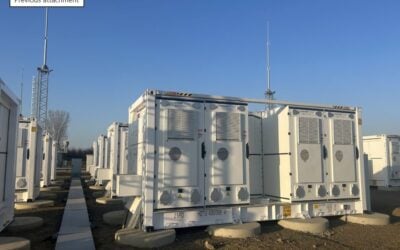
The company last week confirmed reports that it will install a 50MW/300MWh electric battery storage system at a power station in Fukuoka Prefecture. Like the rest of Japan’s 10 regional utility companies, Kyushu Electric is responsible for the grid network in its service area as well as electricity sales.
The utility is based on the southern island of Kyushu, which since the inception of Japan’s feed-in tariff (FiT) in 2012 was a preferred location for many solar project developers due to its high levels of solar irradiance.
Try Premium for just $1
- Full premium access for the first month at only $1
- Converts to an annual rate after 30 days unless cancelled
- Cancel anytime during the trial period
Premium Benefits
- Expert industry analysis and interviews
- Digital access to PV Tech Power journal
- Exclusive event discounts
Or get the full Premium subscription right away
Or continue reading this article for free
As of December, Kyushu Electric Power said, around 8.17GW of solar projects had been approved in its service area. Government efforts to calculate how much solar could still be approved across the service areas of the five utilities that suspended applications resolved that around 51GW of capacity remains across the network, but at local level the issues are more acute in some areas than others.
Kyushu Electric says it wants to establish a stable power supply and for the continuing smooth introduction of renewable energy facilities. The new battery system will be co-located at an oil-fired power station, Buzen. Work on it is expected to begin this year and to be finished during FY2016. Funding for it will come from the state Ministry of Economy, Trade and Industry (METI), with vendor details, technology type and technical specifications not revealed.
For a report into the recent issues facing Japan’s solar industry, including grid connection question, read Volume 2 of PV Tech Power, Solar Media’s downstream solar technology journal.