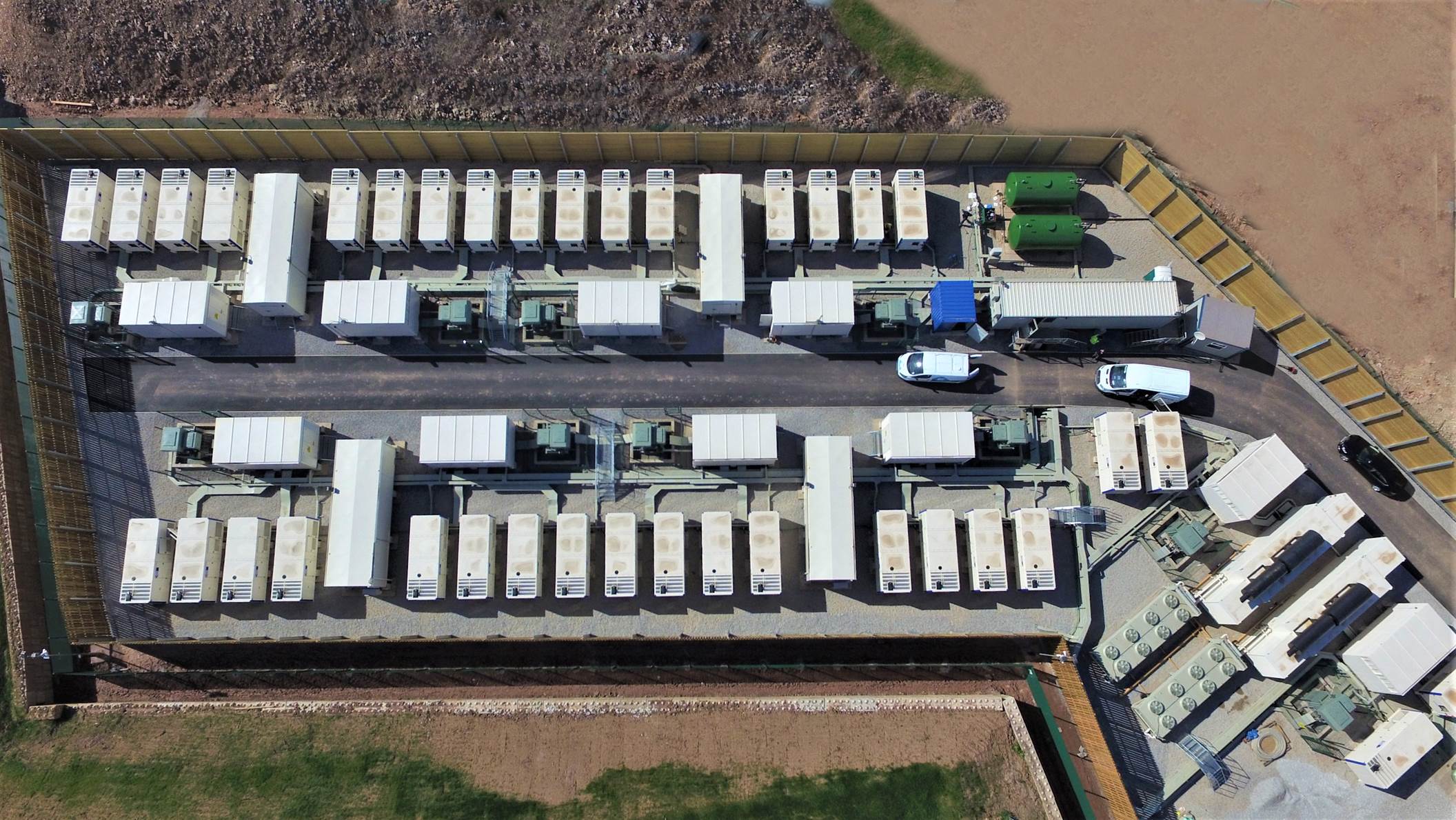
UK investment management firm Gresham House has confirmed it is to launch a fresh fund raising drive as it sets its sights on a new, 182MW pipeline of battery storage projects.
The London Stock Exchange-listed investment fund is expected to close on a 5MW battery storage project in Wolverhampton in the coming weeks. Construction of a 50MW battery storage facility which Gresham is to buy will then start before the end of the year.
However the fund’s exclusive pipeline of projects extends beyond that figure, with three additional projects totalling 127MW of storage capacity also in Gresham’s crosshairs.
And to pursue that pipeline Gresham has confirmed a fresh placing, announcing the listing of 75 million new shares at 101p (US$1.31) per share which is aiming to raise around £75 million.
Try Premium for just $1
- Full premium access for the first month at only $1
- Converts to an annual rate after 30 days unless cancelled
- Cancel anytime during the trial period
Premium Benefits
- Expert industry analysis and interviews
- Digital access to PV Tech Power journal
- Exclusive event discounts
Or get the full Premium subscription right away
Or continue reading this article for free
That placing was launched yesterday, and is to close on 24 May 2019, with the gross proceeds complementing the £100 million (US$130 million) it raised in November last year.
The fund will be hoping for more success with this placing than its last. Gresham House, formerly Hazel Capital, originally intended to raise £200 million to pursue a 262MW pipeline, but had to settle for half that figure.
Meanwhile, an operational update included within the statement included confirmation that the projects already acquired, a 70MW fully operational portfolio acquired for £57 million, are all functioning as expected and successfully operated as expected over the 2018/19 winter period, exporting power throughout each of the half-hour winter peaks.
The firm also dismissed the potential impact of a loss of Capacity Market revenues as the scheme’s future remains uncertain, suggesting that a complete repeal of the mechanism would result in more volatile intraday trading markets for electricity, rendering battery storage more beneficial and therefor offsetting any loss of income.