SunPower CEO Tom Werner has said that the idea of solar power users combining their systems with battery storage to become fully independent of the grid is “naïve”, echoing the views of one of SolarCity’s founders.
SolarCity chief technology officer Peter Rive, who founded the company with his brother Lyndon, wrote in April that while mass defections from the grid were technically possible, SolarCity had “no interest in this scenario”. Grid operators, Rive wrote, were best placed to distribute electricity, including from storage systems, where needed, in order to “lower costs for utilities and for all ratepayers”. Company spokesman Will Craven recently explained this position further in an interview with PV Tech Storage.
Speaking to PV Tech Storage, Tom Werner was asked if Sunpower agreed with Rive’s assertion and whether Sunpower was also uninterested in a grid independent approach using energy storage.
“I’d go further and say that grid independence is naïve. That’s not going to happen in the foreseeable future. There is a need for the grid, the grid plays an important role and will for the foreseeable future. SunPower has never taken the position that the utilities will be obsolete.”
Try Premium for just $1
- Full premium access for the first month at only $1
- Converts to an annual rate after 30 days unless cancelled
- Cancel anytime during the trial period
Premium Benefits
- Expert industry analysis and interviews
- Digital access to PV Tech Power journal
- Exclusive event discounts
Or get the full Premium subscription right away
Or continue reading this article for free
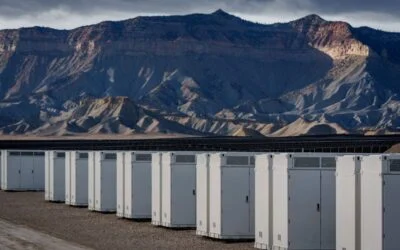
According to Tom Werner, storage-plus-solar could provide customers with “total control” of their energy bills, while not cutting utilities or grids out of the equation. Image: SunPower.
However, Werner did say that utilities would have to rethink their business model to maintain this advantageous position.
“I think that there’s a business model evolution for utilities but they will always have an important role with the grid. I think that we’ll see less centralised power generation and less of the ‘hub and spoke’ model of utilities and a smarter grid that can do both hub and spoke and distributed generation and that’s always been SunPower’s position. We agree that utilities will always have an important role and in fact what’ll happen is it’ll emphasise a more intelligent grid and less emphasis on generation.”
Werner said that ultimately, though, storage, in combination with solar, could provide customers with “total control” of their energy bills. According to Werner, this would have to be done in partnership with utilities, including tentative plans to store, aggregate and sell electricity from residential rooftops.
“We believe that we’ll become what we’ve labelled as ‘energy service provider’ and the broad concept would be that the combination of storage with solar with energy management gives you the consumer perhaps total control of your energy bill, certainly way more control of your energy bill than you’ve ever had. Now, we don’t believe that we’ll become a utility however.
“We’ll partner with utilities on micro grids and community-based solar and we will free the consumer and give them way more control of their energy bill in general. That’s where we’ve made up ground in the last couple of years…and an area we’re investing more heavily in”.
“We agree that utilities will always have an important role.” Tom Werner, SunPower chief executive officer. Image: SunPower..