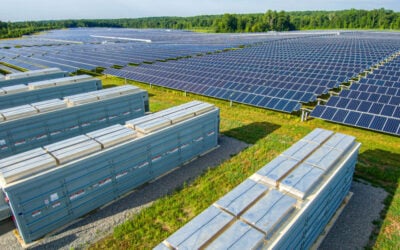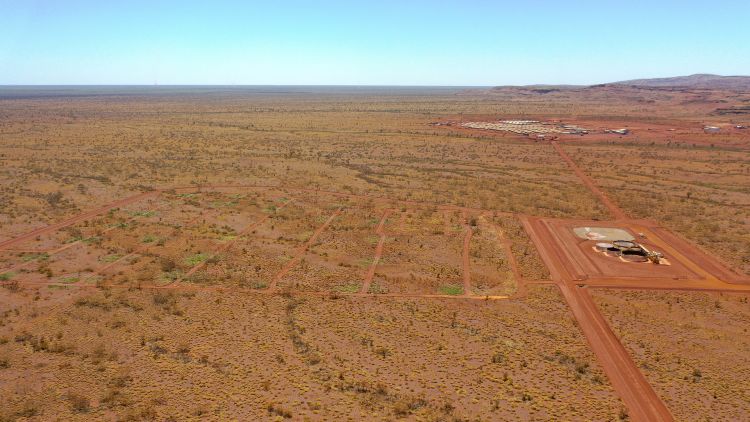
Mining giant Rio Tinto is to develop a large-scale solar-plus-storage system at an iron ore mine in Western Australia, continuing a trend of hybrid renewables-plus-storage projects in the region.
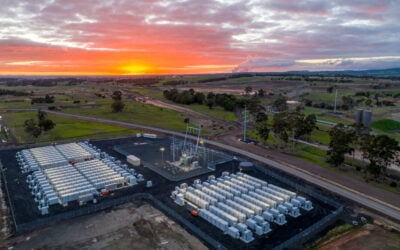
Announced earlier this week, Rio Tinto is to combine 34MW of solar PV with a 12MWh energy storage system at a cost of US$98 million.
A competitive tendering process that favours local procurement will be launched “early next year,” according to the firm.
The miner hopes that the power plant will come online in 2021, the year the mine is set to start operations.
Try Premium for just $1
- Full premium access for the first month at only $1
- Converts to an annual rate after 30 days unless cancelled
- Cancel anytime during the trial period
Premium Benefits
- Expert industry analysis and interviews
- Digital access to PV Tech Power journal
- Exclusive event discounts
Or get the full Premium subscription right away
Or continue reading this article for free
The storage facility will be constructed in the nearby town of Tom Price and will provide spinning reserve generating capacity.
The multinational miner claims to be exploring further decarbonisation initiatives in the region with the state government and the Western Australian Environmental Protection Authority. This “may include more solar plants, as well as wind and battery projects,” it said.
Solar-plus-storage plants are becoming increasingly popular at remote mining operations in Australia and Africa.
Gold Fields’ solar-plus-storage plant in Western Australia is expected to be finished in mid-2020, and Australian iron miner Fortescue Metals Group is building hybrid facilities at both its Chichester mine (also in Pilbara) and its Iron Bridge operation. Oz Minerals is exploring a combination of renewables at its nickel-copper operation in Western Australia.
In December 2019 renewables developer BayWa r.e. selected Wärtsilä to provide energy storage capabilities for a hybrid energy plant at the Fekola gold mine in Mali, Africa, a project that Energy-Storage.news had been abreast of earlier in the year.