Lithium has been added to a list of raw materials deemed essential to secure supply in Europe, for the first time ever, by the European Commission.
Earlier this month the Commission presented its Action Plan on Critical Raw Materials and a “foresight study” on critical raw materials looking ahead to 2030 and 2050, as well as its updated 2020 list of materials. This list is updated every three years and identifies the raw materials that the Commission said are “most important economically and have a high supply risk”.
A statement from the EC also talked about the importance of access to certain resources to deliver the European Green Deal while preventing the shift to carbon neutrality from becoming also a shift from dependency on fossil fuels to a dependency on raw materials. This week, Members of European Parliament spoke at a webinar hosted by European energy storage industry group EASE about the vital importance of energy storage for decarbonising the continent while also ensuring security of energy supply.
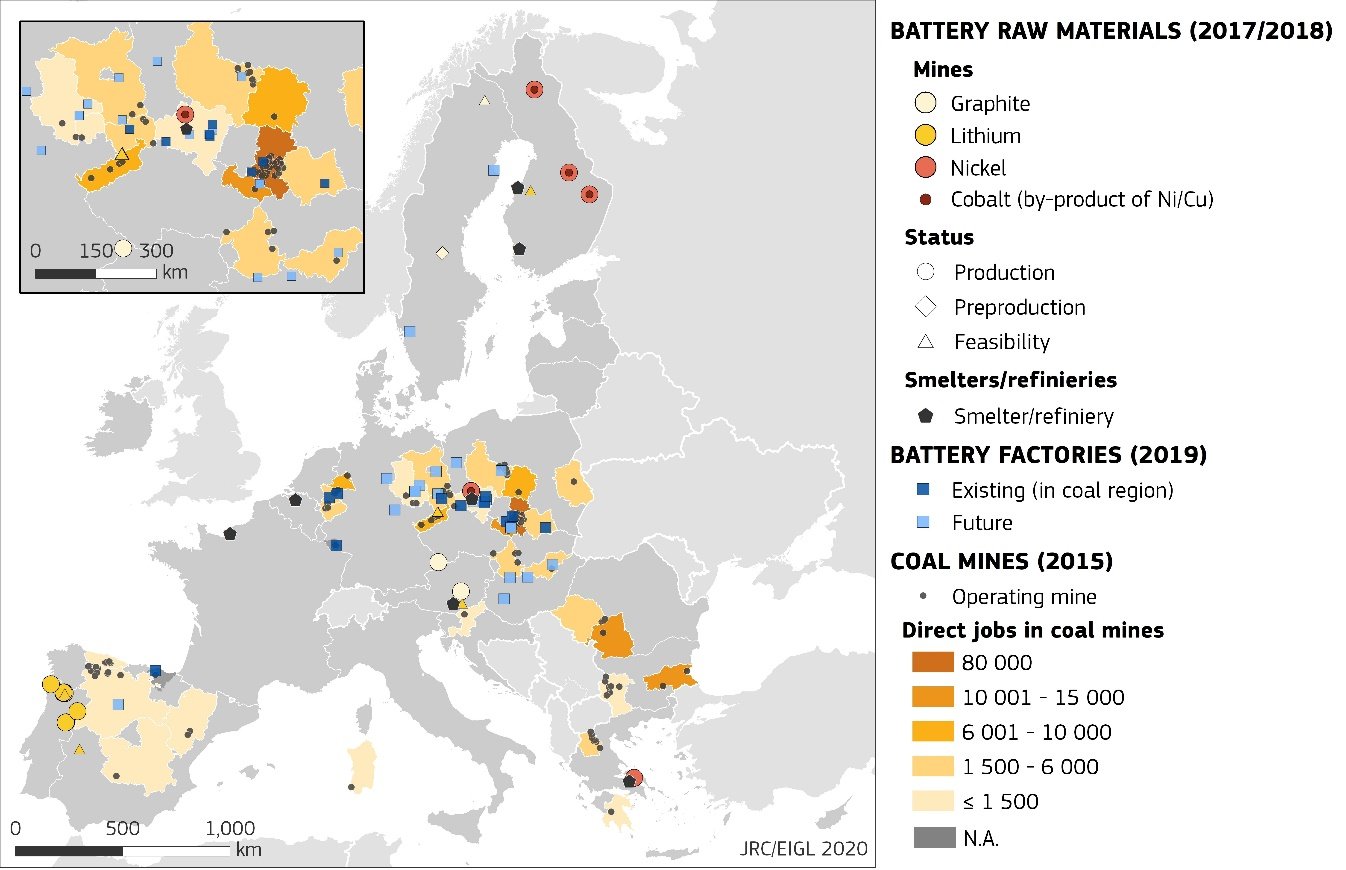
The EC’s documents likewise firmly emphasised the importance of battery raw materials. While cobalt is already on that list, and lithium was added this year, the EC said it will “monitor nickel closely,” given the metal’s importance in battery production. Vanadium, used in flow batteries – as well as in steel production – is also on the 2020 list.
Try Premium for just $1
- Full premium access for the first month at only $1
- Converts to an annual rate after 30 days unless cancelled
- Cancel anytime during the trial period
Premium Benefits
- Expert industry analysis and interviews
- Digital access to PV Tech Power journal
- Exclusive event discounts
Or get the full Premium subscription right away
Or continue reading this article for free
“A secure and sustainable supply of raw materials is a prerequisite for a resilient economy. For e-car batteries and energy storage alone, Europe will for instance need up to 18 times more lithium by 2030 and up to 60 times more by 2050,” said European Commission politician Maroš Šefčovič, who has championed the need to create battery supply chains and manufacturing capabilities in the continent.
“As our foresight shows, we cannot allow to replace current reliance on fossil fuels with dependency on critical raw materials. This has been magnified by the coronavirus disruptions in our strategic value chains.”
Šefčovič, the EC’s Vice-President for Interinstitutional Relations and Foresight, was instrumental in the creation of the European Battery Alliance, which has committed to investing billions of Euros into the manufacturing value chain on the continent over the next few years.
One of the projects to benefit from that Alliance, start-up Northvolt’s first gigafactory in Sweden, received its first processing equipment a few days ago, the company said. Now, the European Commission is set to formulate a similar Alliance for Critical Raw Materials.
Read the EC’s Foresight Study here.