The India Energy Storage Alliance (IESA) has published its fifth edition of its India Stationary Energy Storage market report, which predicts that the market for energy storage in India will grow at a CAGR of 6.1% by 2026.
Energy trading firm Power Ledger’s peer-to-peer (P2P) technology is integrated from the design conception stage of a new property development in Australia.
The fourth episode in the series takes a look at the rapidly increasing solar and storage commitments from some of energy’s biggest names, discuss the rise and rise of long-duration storage; and what climate maessages are coming out of the UK’s general election?
Commercial energy storage ‘pioneer’ Stem Inc and NEC have announced a master supply agreement and wide-ranging partnership that will see the latter’s equipment and solutions used in solar-plus-storage projects in Stem’s pipeline.
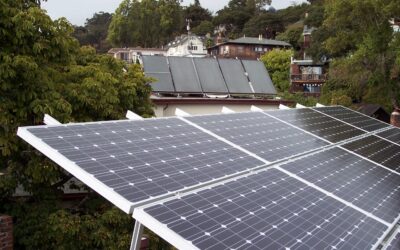
With Public Safety Power Shutoffs increasingly common in California to prevent the spread of wildfires, many are calling for more residential solar-plus-storage to help keep the lights on.
European Commission greenlights €3.2bn research plan by seven major states to turn continent into global battery hub even as it signals it is ready to block imports on environmental grounds.
Flow batteries have so far, failed to live up to the disruptive potential they promise, a new report says, but authors Alex Eller and William Tokash at Navigant Research have identified 12 leading vendors in the nascent field, based on metrics of strategy and execution.
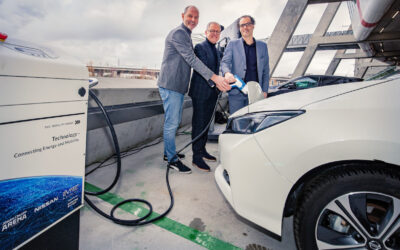
Vehicle-to-grid (V2G) technology has gone into use at Johan Cruyff Arena in Amsterdam, with energy infrastructure installed onsite including a 3MW battery energy storage system allowing visitors to both charge their cars at the stadium and put power back into it.
BlackRock has amassed over US$1 billion in its efforts to raise capital for its latest fund for global renewables, the third of a series it launched in 2011.