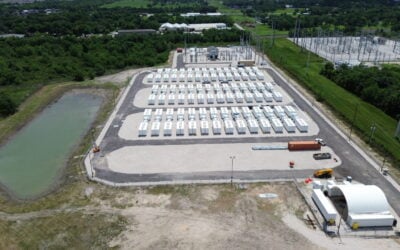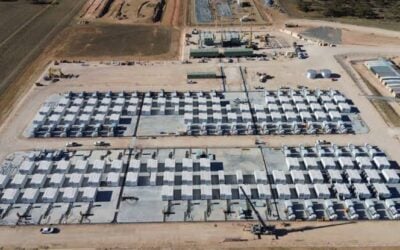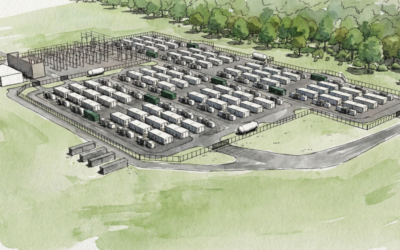
Tesla and Sumitomo Electric have both been selected to supply energy storage projects in Japan. Tesla will supply Megapacks for a BESS project while Sumitomo will deploy a 12MWh vanadium flow battery.
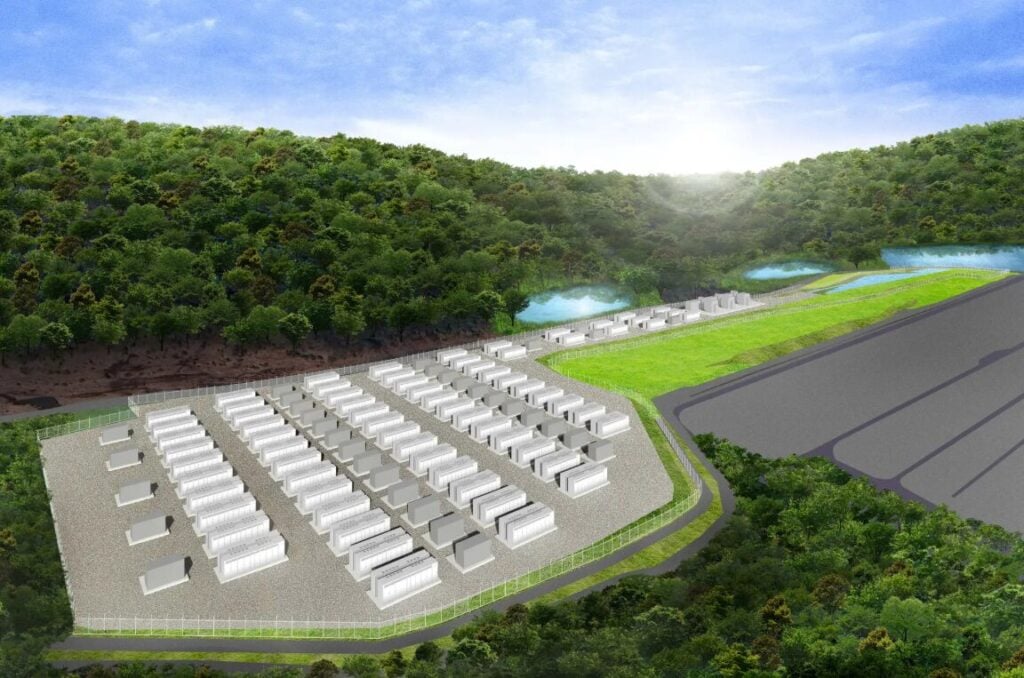
Financial services firm Orix Corporation selected Tesla to supply 134MW/548MWh of BESS to the Maibara Koto Power Storage Plant project in the city of Maibara, Shiga Prefecture. Tesla will provide Megapacks for the 4.1-hour duration battery energy storage system (BESS) project, which is set to come online in 2026.
The project won one of the largest successful contracts in Japan’s low-carbon capacity auctions of 2023, auctions which one consultancy said would significantly increase the business case for energy storage in Japan with 1.67GW of BESS winning contracts.
It is not Orix’s first BESS project in Japan, having in 2022 announced the deployment of a 113MWh BESS in partnership with utility Kansai Electric for operation in 2024.
Try Premium for just $1
- Full premium access for the first month at only $1
- Converts to an annual rate after 30 days unless cancelled
- Cancel anytime during the trial period
Premium Benefits
- Expert industry analysis and interviews
- Digital access to PV Tech Power journal
- Exclusive event discounts
Or get the full Premium subscription right away
Or continue reading this article for free
The 2023 auctions appear to have increased interest and activity in Japan’s energy storage market, from BESS investment platforms from abroad including Eku Energy and Gore Street as well as local utilities and independent power producers (IPPs).
See all recent Energy-Storage.news coverage of Japan here. Recent Premium pieces include an interview with developer Gurin Energy on its 2GWh project and a panel discussion roundup from Energy Storage Summit Asia 2024, held in Singapore.
Sumitomo Electric 12.5MWh flow battery project on Oki Islands
In concurrent news, technology provider Sumitomo Electric will provide a 4MW/12.5MWh redox flow battery system for a project on the Oki Islands, off the coast about a day’s drive west of Maibara.
The project in Ama Town is an initiative from utility Chugoku Electric Power Transmission & Distribution Co in partnership with local authorities and a company called ‘como-gomo.company’, Sumitomo said.
It didn’t say when the project would be built, but said it will benefit from a subsidy under the Ministry of the Environment’s “Facility Introduction Support Project for Mainstreaming Renewable Energy in Remote Islands.”
Sumitomo Electric also didn’t say exactly what kind of electrolyte-based flow battery it would deploy, but the company has typically used vanadium redox flow battery (VRFB) technology. The project will contribute to carbon neutrality and resilience in the face of natural disasters in the Oki Islands, it said. It will involve building a power network that will enable microgrid operation during emergencies.
Sumitomo Electric has previously deployed 8MWh and 51MWh VRFB projects in Japan.