Google’s smart home division has joined a group of companies including Ford, Sunpower and Sunrun in founding a new partnership centred around scaling the market for virtual power plants (VPP).
The companies announced the launch of the Virtual Power Plant Partnership (VP3), led by RMI, a non-profit focused on accelerating the energy transition globally.
Founding members include automotive OEMs Ford and General Motors, smart home solutions providers Google Nest, OhmConnect and SPAN, and distributed energy resources (DERs) platform and VPP solution companies Olivine, SunPower, Sunrun, SwitchDin, and Virtual Peaker.
VP3 will, in its own words, “…work to catalyse industry and transform policy to support scaling VPPs in ways that help advance affordable, reliable electric sector decarbonisation by overcoming barriers to VPP market growth”.
Try Premium for just $1
- Full premium access for the first month at only $1
- Converts to an annual rate after 30 days unless cancelled
- Cancel anytime during the trial period
Premium Benefits
- Expert industry analysis and interviews
- Digital access to PV Tech Power journal
- Exclusive event discounts
Or get the full Premium subscription right away
Or continue reading this article for free
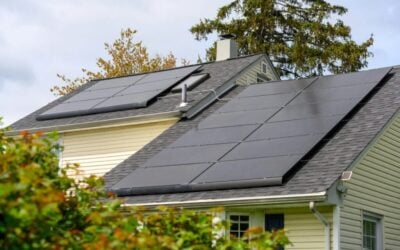
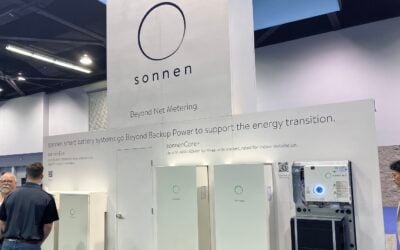
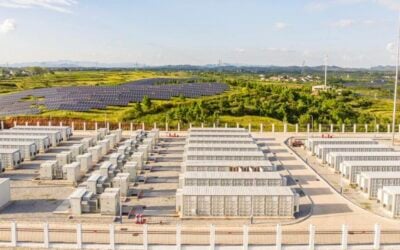
It said that VPPs can leverage EVs, smart thermostats and appliances, batteries, solar PV arrays and additional energy assets to support the grid.
RMI CEO Jon Creyts said: “Our analysis shows that VPPs can reduce peak power demand and improve grid resilience in a world of increasingly extreme climate events. A growing VPP market also means revenue opportunities for hardware, software, and energy-service companies in the buildings and automotive industries. For large energy users, VPPs can significantly reduce energy spend while providing new revenue streams.”
The new organisation will work to:
- Catalog, research, and communicate VPP benefits
- Develop industry-wide best practices, standards, and roadmaps
- Inform and shape policy development
Energy-Storage.news’ publisher Solar Media will host the 5th Energy Storage Summit USA, 28-29 March 2023 in Austin, Texas. Featuring a packed programme of panels, presentations and fireside chats from industry leaders focusing on accelerating the market for energy storage across the country. For more information, go to the website.