Norwegian lithium-ion gigafactory startup FREYR Battery has signed a binding agreement with renewable energy group Statkraft covering 2024-31 for its first two gigafactories.
The two companies have signed a binding Heads of Terms which will be finalised as a long-term physical supply agreement of power for FREYR’s first facilities, in Mo I Rana, Norway. The deal will secure the supply from Mo I Rana’s central grid to FREYR’s Customer Qualification Plant and Gigafactories 1 and 2, which FREYR calls a combined gigafactory.
The combined gigafactory will have an annual production capacity of 13GWh and the company has indicated a strong focus on the energy storage sector in the last 18 months.
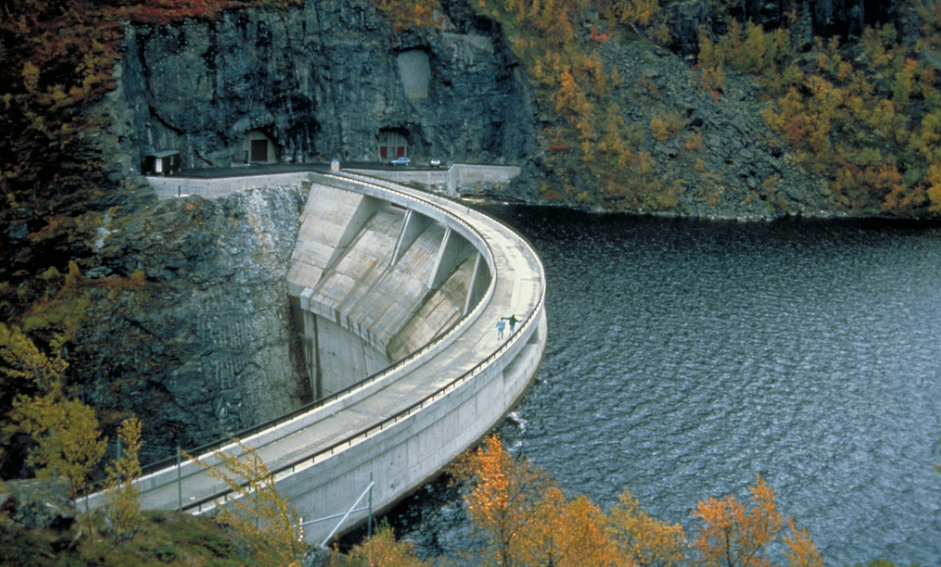
Statkraft will commit to a 23MW baseload with an accumulated 1.3TWh delivery over the contract as well as guarantees of origin to ensure the power is sourced from its hydropower assets, specifically the 500MW Rana hydropower plant. The company is owned by the Norwegian state and is responsible for the majority of Norway’s hydropower assets, which provide the vast majority of the country’s electricity needs.
Try Premium for just $1
- Full premium access for the first month at only $1
- Converts to an annual rate after 30 days unless cancelled
- Cancel anytime during the trial period
Premium Benefits
- Expert industry analysis and interviews
- Digital access to PV Tech Power journal
- Exclusive event discounts
Or get the full Premium subscription right away
Or continue reading this article for free
Tove Nilsen Ljungquist, EVP Operations of FREYR, said: “Our ambition is to produce clean battery cells, and a key element of our strategy is to power our operations with renewable energy. This agreement with Statkraft ensures that our production facilities in Mo i Rana will have a steady, long-term supply of hydropower from local sources – keeping our carbon footprint to a minimum as we speed forward to full operations.”
Unlike many other new gigafactory players in Europe and North America, FREYR’s announcements in the last 18 months have shown a clear focus on energy storage systems (ESS) applications, with all of the company’s announced offtake partners being from that sector. The company is targeting an annual production capacity of 100GWh by 2030 and half of that could go to ESS, CEO Tom Jensen told Energy-Storage.news in a recent interview.
In the last few months, the company announced offtake agreements totaling 53.5GWh (over multiple years) with several energy storage incumbents. Those built on existing announcements worth a total of 50GWh with Honeywell and an unnamed partner that FREYR will work with to launch a system integrator play.
It signed an ‘initial agreement’ with Siemens Energy supplying batteries for energy storage applications in 2020, but its first gigafactory launch date has been pushed by at least two years since then so the outcome of that deal is not clear.