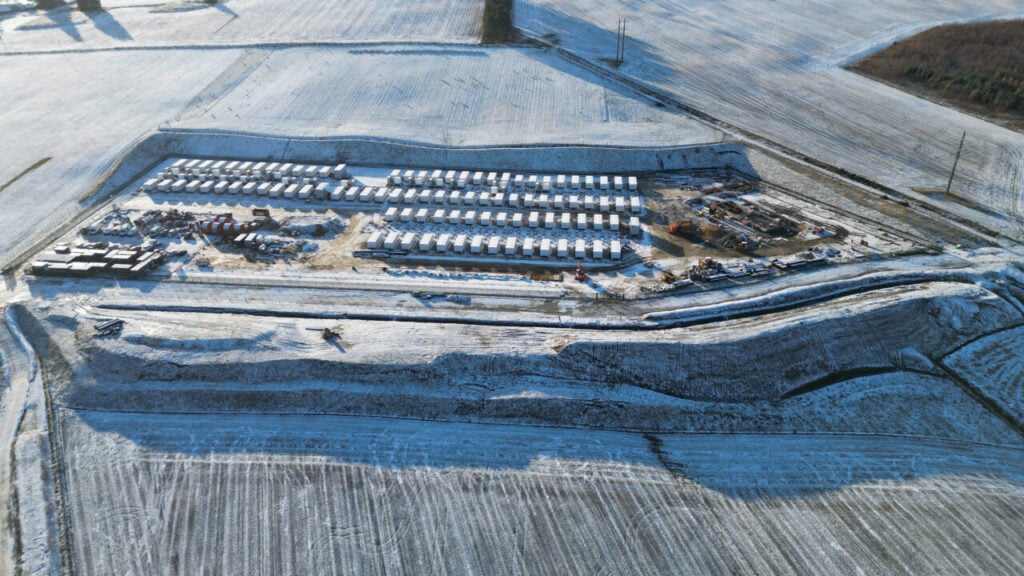
While there is much more variety in the BESS supply landscape today, there are relatively few suppliers able to offer products for ‘grid-forming, enduring infrastructure assets’, developer and operator Dais Energy’s CEO said.
Dais CEO Daniel Connor’s comments come after a period in which the battery energy storage system (BESS) supply landscape has become increasingly competitive, with more China-based DC block manufacturers and system integrators gaining global market share and a resulting dramatic fall in prices.
“There is now more variety but fewer quality products. We’re not building the cheapest things we can now. For that, yes, there is a lot of availability for those kinds of conversations,” Connor said.
“We’re trying to build something that’s grid-forming, that’s enduring, that is an infrastructure asset. For that, there are relatively few people who you can have a proper conversation with about those kinds of things. It’s maybe like three or four in the market that are really at that level.”
Try Premium for just $1
- Full premium access for the first month at only $1
- Converts to an annual rate after 30 days unless cancelled
- Cancel anytime during the trial period
Premium Benefits
- Expert industry analysis and interviews
- Digital access to PV Tech Power journal
- Exclusive event discounts
Or get the full Premium subscription right away
Or continue reading this article for free
Connor comes from a stint as head of storage EMEA for oil and gas major BP’s clean energy arm Lightsource BP, before which he was head of optimisation and storage sales for the UK utility Centrica. His comments mirror those of others about most of the increased competition being at the less sophisticated DC block level.
BESS projects with grid-forming technology are becoming more common but are still the exception. A senior executive for inverter company SMA recently wrote a piece on grid-forming technology and its role in the energy transition for Solar Media’s quarterly journal PV Tech Power, focusing on Zenobē Energy’s Blackhillock BESS in Scotland, which it and BESS provider Wärtsilä worked on.
Connor said that some services within the grid-forming category are already being requested, and while not all those revenue streams are available everywhere, it’s worth investing in them now in advance of their opening up in the future—even if it costs more.
Connor: “Some grid support services beyond ‘Active Power’ are already mandated as part of grid connection agreements across Europe while others will become markets in the future. So we want to future proof these assets, and think that the returns are sufficiently strong that they can wear slightly higher capex on building something that’s built to last and is built for more than just the markets that are currently available.”
A Pakistan-based electrical engineer similarly told Energy-Storage.news that some energy storage OEMs have in the past committed to providing grid-forming capabilities for projects there, but when those capabilities were needed, they were not delivered (though they wouldn’t name names).
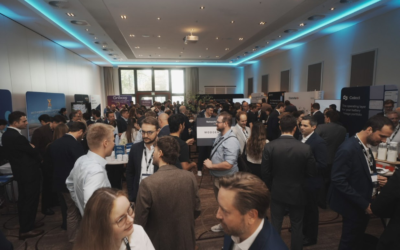
Connor was speaking to Energy-Storage.news at Solar Media’s Energy Storage Summit Central and Eastern Europe (CEE) 2024 in Poland last month, where he sat on the ‘The Energy Storage Roadmap: A European Perspective’ panel discussion.
Although more focused on balance sheet strength, readers may also be interested in the new Battery StorageTech Bankability Ratings Report from our colleagues at Solar Media Market Research.