East Point Energy, a US-based clean energy developer, is on its first drive to buy up projects since the company’s acquisition by Equinor.
Norwegian state-owned energy company Equinor, rebranded from its less energy transition-friendly legacy name, Statoil, announced its acquisition of East Point Energy in July last year, as reported by Energy-Storage.news.
Equinor said at the time that East Point Energy gave the energy major an early-stage entry point into the buoyant US energy storage market, which is widely expected to accelerate massively over the next decade as the drive to decarbonise meets a supportive policy landscape.
Through the East Point Energy Project Acquisition Program, the developer is seeking potential solar PV, hybrid solar-plus-storage and standalone energy storage projects.
Try Premium for just $1
- Full premium access for the first month at only $1
- Converts to an annual rate after 30 days unless cancelled
- Cancel anytime during the trial period
Premium Benefits
- Expert industry analysis and interviews
- Digital access to PV Tech Power journal
- Exclusive event discounts
Or get the full Premium subscription right away
Or continue reading this article for free
However, in the first wave of activity, the company said it will favour standalone energy storage projects, which since the start of this year have been eligible for investment tax credit (ITC) incentives previously only available for hybrid or renewable-only.
It will consider projects at any stage of development, including very early-stage, which the company said it is comfortable with taking on the risks of, but it does want projects that can be brought online during next year and 2025.
While it seeks primarily projects in four key US markets: Texas’ ERCOT, the multi-state grids of PJM Interconnection and ISO New England, and the New York Independent System Operator (NYISO) service areas, projects in all US power markets will be considered, East Point Energy said.
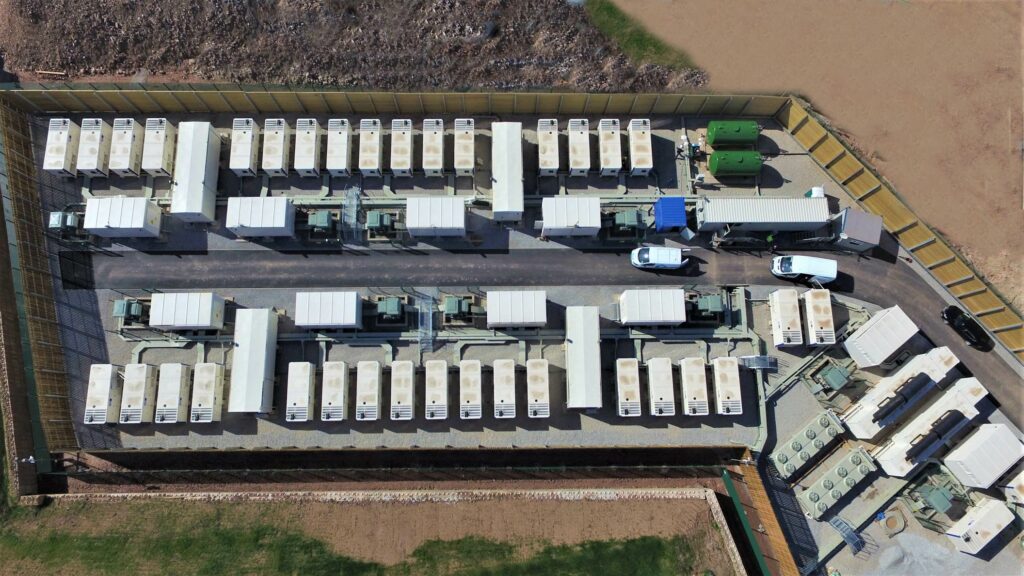
To date, East Point Energy has developed and then sold on four large-scale BESS projects since its founding in 2018. One of those sales came in October after it became a wholly owned subsidiary of Equinor, selling a 15.7MW/62.9MWh project in Virginia to utility Dominion, while its biggest was the sale of Yadkins, a 100MW/400MWh project also in Virginia, sold to developer Aypa Power.
Equinor has said that it wants to diversify its new portfolio company’s activities to include developing assets to own and operate, as well as flipping i.e. developing and then selling on, as it currently does. The Norwegian company also owns a 45% stake in Noriker Power, a UK-based battery storage developer, while in the US it is also looking to leverage its ambitions in the country’s nascent offshore wind sector.
Energy-Storage.news’ publisher Solar Media will host the 5th Energy Storage Summit USA, 28-29 March 2023 in Austin, Texas. Featuring a packed programme of panels, presentations and fireside chats from industry leaders focusing on accelerating the market for energy storage across the country. For more information, go to the website.