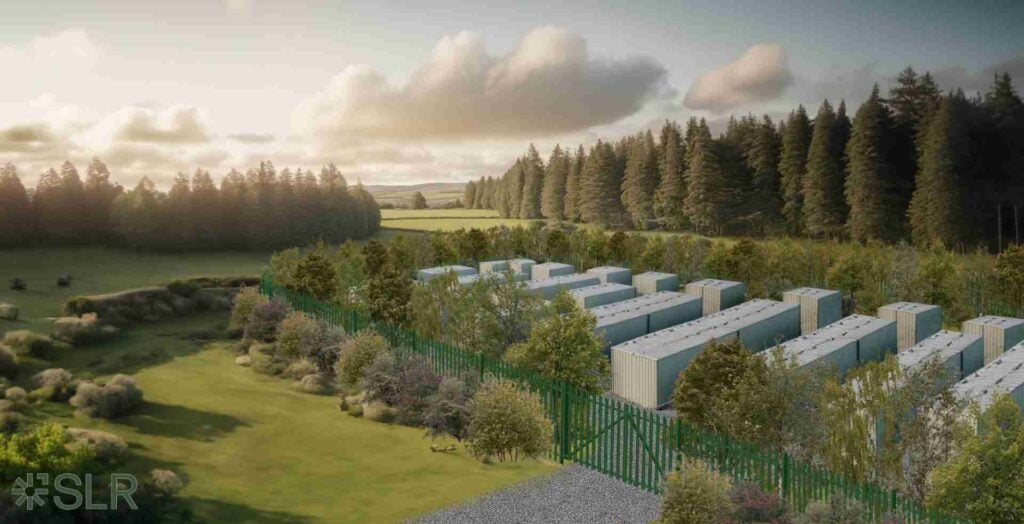
Developer FuturEnergy Ireland has announced its intentions to build Europe’s first iron-air battery energy storage system (BESS).
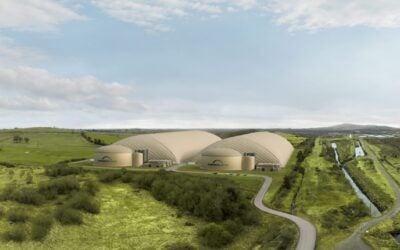
The company, a joint venture between two state-owned groups, forestry business Coillte and electricity generation, transmission and distribution business ESB, has submitted a planning application for the proposed Ballynahone Energy Storage project to Donegal County Council. If approved, the project will be located next to Trillick Substation, near the town of Buncrana in County Donegal.
The first and smallest project will have a 10MW/1GWh capacity, with later projects on the site having a maximum capacity of 8GWh.
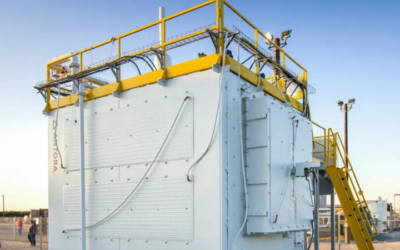
Iron-air batteries work on the principle of reversible rusting. When the battery is discharging energy, the system takes in oxygen from the air and converts the iron metal into iron oxide, otherwise known as rust. While the battery is charging, an electrical current converts the rust back into iron, and the system expels oxygen. These batteries are capable of discharging energy at their full power output for up to 100 hours.
Try Premium for just $1
- Full premium access for the first month at only $1
- Converts to an annual rate after 30 days unless cancelled
- Cancel anytime during the trial period
Premium Benefits
- Expert industry analysis and interviews
- Digital access to PV Tech Power journal
- Exclusive event discounts
Or get the full Premium subscription right away
Or continue reading this article for free
“Iron-air technology was selected by FuturEnergy Ireland following a robust procurement process,” FuturEnergy Ireland portfolio director Paul Blount said.
“Based on analysis completed by our team, we believe this technology has the potential to be a gamechanger for the Irish power system. Form Energy, the US company behind this pioneering iron-air technology, is making a big impact in other energy markets.”
Form Energy recently broke ground on its first pilot project, as covered by Energy-Storage.news. Funding offers have been abundant for Form Energy, having recently received a US$147 million (£109 million) cash injection from the US Department of Energy (DOE) for a new project at a disused paper mill in Maine, US.
Form Energy has also landed grants for projects in California, West Virginia, and New York, and earlier this year signed an agreement with Washington State utility Puget Sound Energy.
To read the full version of this story, visit Solar Power Portal.