California sanitation district to save US$14.7 million due to PV/storage installation

By Conor Ryan
November 15, 2017
LinkedIn
Twitter
Reddit
Facebook
Email
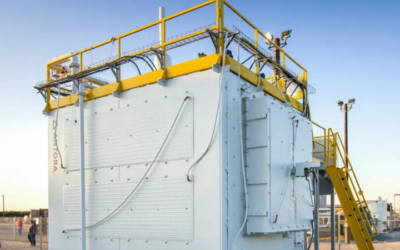
In addition to saving US$14.7 million over the life of the 20-year system, the project will also reduce district electricity spending by 70%. Image: SKFCSD

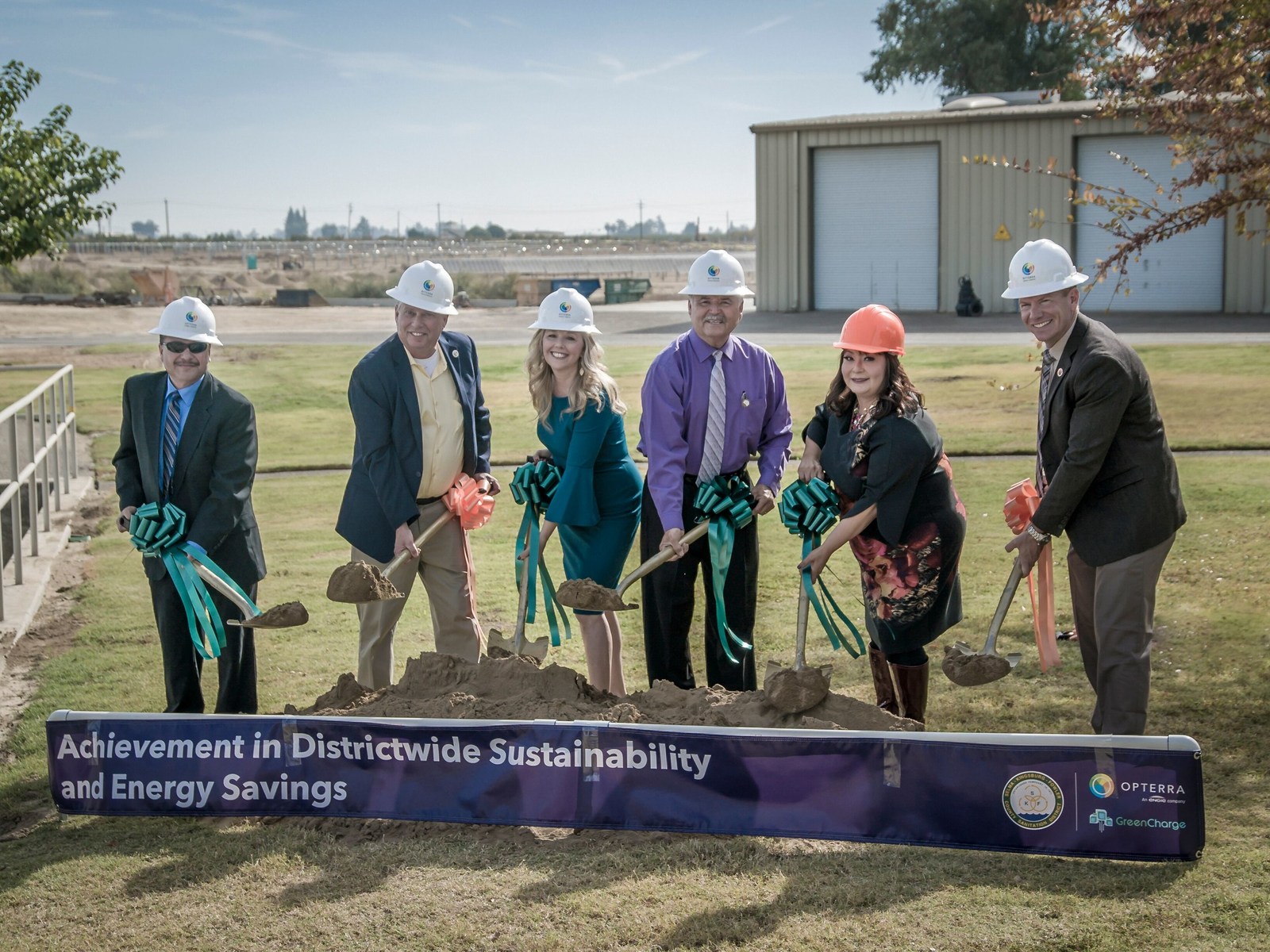
The Selma-Kingsburg-Fowler County Sanitation District (SKFCSD) held a groundbreaking ceremony on Nov. 8 to celebrate the start of construction on an integrated solar/battery storage system that will help power treatment facilities across 222 hectares of SKFCSD service territory.

The SKFCSD held the groundbreaking ceremony along with two ENGIE North America companies — OpTerra Energy Services and Green Charge — who will help with the development of the renewable energy system.

Due to the integrated solar, battery storage, and other conservation technology upgrades across the district, SKFCSD will save US$14.7 million in energy and maintenance costs over the span of the programme.

The project is currently in the construction phase and is expected to be completed by summer 2018.

This article requires Premium SubscriptionBasic (FREE) Subscription

Try Premium for just $1

  • Full premium access for the first month at only $1
  • Converts to an annual rate after 30 days unless cancelled
  • Cancel anytime during the trial period

Premium Benefits

  • Expert industry analysis and interviews
  • Digital access to PV Tech Power journal
  • Exclusive event discounts

Or get the full Premium subscription right away

Or continue reading this article for free

The installation will feature more than 2.4MW of solar installed at the Wastewater Treatment Plant, along with a solar parking structure at the district’s administration building. A 500kW / 1,000 kWh energy storage battery system will supplement the addition of solar.

In addition to saving US$14.7 million over the life of the 20-year system, the project will also reduce district electricity spending by 70%.

David Cárdenas, chairman of the SKFCSD, said: “Our district is excited to implement a programme that will not only save us US$14.7 million in energy costs, but also allow us to demonstrate the positive fiscal and environmental impact of leading-edge solar and energy storage solutions to our customers across Fresno and to other public agencies statewide.”
15 April 2026
Milan Marriott Hotel, Italy
Solarplus Europe 2026 marks the evolution of Europe’s longest-running solar conference, reflecting the industry’s transition from standalone PV to fully integrated solar-plus-storage and hybrid energy systems. Taking place in Milan, the Summit will unite developers, investors, policymakers, and technology leaders to explore how Europe can deliver firm, flexible, and bankable renewable power at scale. With a sharp focus on system integration, storage deployment, hybrid project design, and market-ready business models, Solarplus Europe provides the platform for shaping the next phase of the continent’s solar and clean power build-out.
15 September 2026
San Diego, USA
You can expect to meet and network with all the key industry players again in 2025 from major US asset owners, operators, RTOs and ISOs, optimizers, software and analytics providers, technical consultancies, O&M technology providers and more.

Read Next

April 1, 2026
EnerVenue, the US company commercialising technology adapted from nickel-hydrogen batteries, has closed a US$300 million extension of its Series B preferred stock financing round.
March 31, 2026
The Michigan Public Service Commission has approved six battery energy storage system (BESS) projects totalling 1,332MW of capacity in the US state.
March 31, 2026
In this news roundup, Unigrid, Inlyte Energy, CIUDEN, and Sunamp are advancing non-lithium energy storage technologies worldwide.
March 26, 2026
esVolta has closed a US$139.6 million project financing package with MUFG Bank for its 300MWh Boxcar energy storage project in Texas, US.
March 25, 2026
American Battery Factory (AFB) has secured offtake agreements for 4.5GWh of its initial 5.5GWh US factory output.