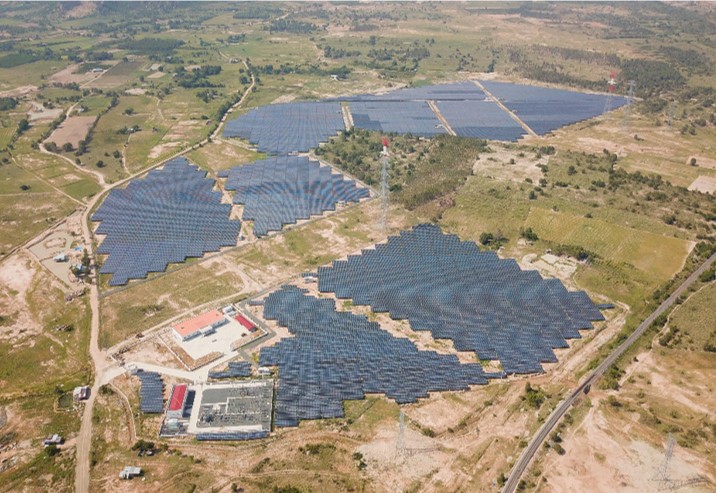
Battery storage is begin assessed as a means to maximise the value of solar PV in Vietnam, with asset management group Dragon Capital having hired consultancy AqualisBraemar LOC Group (ABL Group) to conduct feasibility studies.
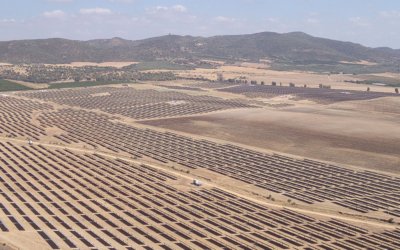
After the Asian country experienced rapid growth in installed solar PV capacity, power generation from the renewable source is being curtailed, largely due to network congestion. A feed-in tariff (FiT) scheme had been wildly successful in incentivising new solar PV, especially on commercial rooftops, during 2020.
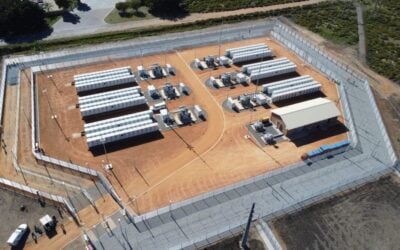
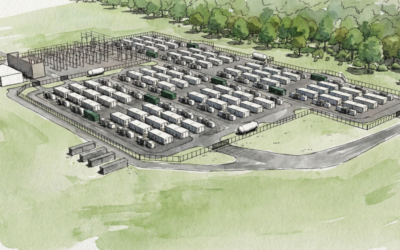
Norway-headquartered ABL Group has been hired by Dragon Capital’s subsidiary, VN Green Holding, to look at the feasibility of installing behind-the-meter battery energy storage system (BESS) technology at up to three of VN Green’s solar projects to mitigate the impact of curtailment.
The consultancy will make a detailed analysis of the PV plants to see how much curtailment has taken place and is expected in future and will then model and optimise a variety of possible BESS solutions.
Try Premium for just $1
- Full premium access for the first month at only $1
- Converts to an annual rate after 30 days unless cancelled
- Cancel anytime during the trial period
Premium Benefits
- Expert industry analysis and interviews
- Digital access to PV Tech Power journal
- Exclusive event discounts
Or get the full Premium subscription right away
Or continue reading this article for free
The study will seek to implement the lowest cost of storage on a levelised basis to assess the commercial feasibility of this colocation of generation with batteries.
Energy-Storage.news asked ABL Group for the approximate or expected output and capacity of the BESS solutions, as well as their colocated solar PV plants, but had not yet received a reply at the time of publication.
“We are pleased to support Dragon Capital in the development and optimisation of BESS for its PV projects in Vietnam,” ABL Group’s onshore renewables unit director Richard Abrams said.
“We believe this model will be transferrable to similar projects moving forward, helping owners and operators get the most out of their renewables assets.”
Energy storage expected to ease integration of Vietnam’s solar boom
Our colleagues at sister site PV Tech noted that Vietnam installed more than 9GW of solar during 2020, including 7GW of rooftop PV installations in just one month (December 2020).
Those capacity figures kept rising and concerns were also raised about stability of the grid being affected by the influx of variable renewable power installations, while major cuts to tariffs were also proposed.
Batteries could perform ramp rate control to integrate variable renewable generation onto the grid, or time-shift energy from daytimes when production is abundant, to evening peak times, when it is not. They could also provide grid stabilising services like frequency and voltage control, help transmission and distribution (T&D) network organisations to save costs on expensive upgrades, and more.
At the Solar and Storage Finance Asia online event hosted last July by our publisher Solar Media, Vietnam was described as a “wonderful example” of a country in the continent where energy storage could make a massive positive impact on the transition to low carbon energy.
Alexander Lenz, APAC regional CEO for investment management company Aquila Capital, noted that the FiT was originally expected to result in about 850MW of installations, but instead sired more than 10 times that amount. In total, there are about 16GW of solar plants in the country in total, including 5GW of systems installed before 2019.
There is however no policy or regulatory mechanism in place to support the deployment of storage, Lenz said, suggesting that it is up to the clean energy industry active in Vietnam and the wider Southeast Asia region to be proactive in proposing solutions and business models to regulators, policymakers, utilities and other stakeholders.
Batteries could perform ramp rate control to integrate variable renewable generation onto the grid, or time-shift energy from daytimes when production is abundant, to evening peak times, when it is not. They could also provide grid stabilising services like frequency and voltage control, help transmission and distribution (T&D) network organisations to save costs on expensive upgrades, and more.
“With such a rapid growth trajectory [for solar in Vietnam], BESS will be a critical technology to recover lost generation, whilst maximising the efficiency of these critical infrastructure projects. This will also potentially provide more sophisticated services to the local grid,” ABL Group’s Richard Abrams said.
In October last year, a grant for just under US$3 million was awarded by the US Consulate General in Ho Chi Minh City, Vietnam, to support a pilot project where BESS equipment will be retrofitted to an existing utility-scale solar PV plant.
In that project, a 15MW / 7.5MWh BESS will be integrated at a 50MWp solar farm, aiming to demonstrate the commercial viability of batteries to help increase the use of renewable energy on the grid, including through reduced curtailment. It followed the 2018 award of a US Trade and Development Agency (USTDA) grant to conduct a feasibility study into the deployment of advanced energy storage tech to state-owned power company Vietnam Electricity.