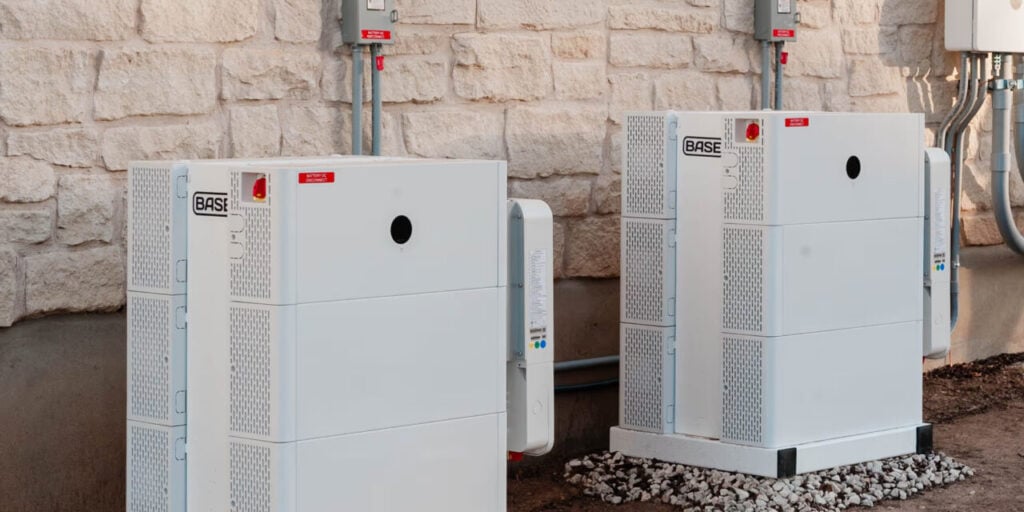
Residential energy storage startup Base Power has raised US$1 billion in Series C financing from venture capital fund Addition.
All other major investors are re-investing, including Trust Ventures, Valor Equity Partners, Thrive Capital, Lightspeed, Andreessen Horowitz, Altimeter, StepStone, Elad Gil, 137 Ventures, Terrain, and Waybury.
New major investors include Ribbit, CapitalG, Spark, BOND, Lowercarbon, Avenir, Glade Brook, Positive Sum, and 1789.
Headquartered in Austin, Texas, Base Power claims to have deployed more than 100MWh of residential battery capacity in under two years.
Try Premium for just $1
- Full premium access for the first month at only $1
- Converts to an annual rate after 30 days unless cancelled
- Cancel anytime during the trial period
Premium Benefits
- Expert industry analysis and interviews
- Digital access to PV Tech Power journal
- Exclusive event discounts
Or get the full Premium subscription right away
Or continue reading this article for free
Base is establishing its first energy storage and power electronics manufacturing facility on the site of the former Austin American-Statesman printing press in downtown Austin, Texas.
The company recently qualified for Texas’s Aggregated Distributed Energy Resource (ADER) programme, enabling distributed batteries to be combined and bid directly into the grid.
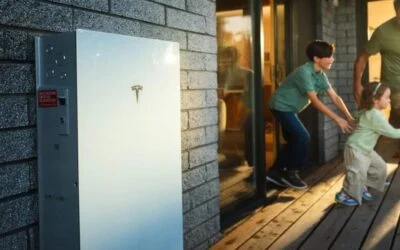
Base Power’s ‘Gen 1’ battery has an 11.4kW/25kWh capacity and has UL 1973, UL 1741, UL 9540, and UL 9540A certifications.
In April, the company raised US$200 million in Series B round funding. Investors then also included Addition, Lightspeed, a16z, and Valor Equity Partners, among others.
Justin Lopas, COO and co-founder of Base Power noted the company’s ambitious goals in the announcement of the billion-dollar financing, stating:
“This factory in Austin is our first, and we’re already planning for our second. We’re building the infrastructure, systems, tools, processes, supporting software, and team that’s reindustrialising America and reinventing the grid.”
Zach Dell, CEO and co-founder of Base, says that now is an opportunity to “reinvent” the power system.
The company appears to be running with that idea, attempting to install as many systems as possible, as quickly as possible.
Taking a median-priced home in the Austin, Texas area as an example, Base Power’s Gen 1 system is approximately US$300 cheaper, at least upfront. The company does include a US$19 per month membership fee for one battery, increasing to US$29 for two batteries.
Notably, the cost for two batteries begins at US$995 which is around the starting range for installing one of Tesla’s Powerwall 2 systems.