Barclays has voiced the opinion that solar PV-generated energy coupled with storage presents a long term disruptive risk to electric utilities in the US, as it was reported the bank’s investment arm had downgraded the entire electric sector of the US high grade corporate bond market.
US financial news outlet Barron’s reported on its blog that the credit strategy team at Barclays had downgraded the entire sector to ‘underweight’. The report claimed that the utility industry is not preparing itself for the long term challenges presented by solar, and in particular by residential solar, coupled with energy storage.
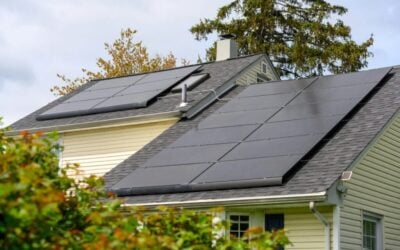
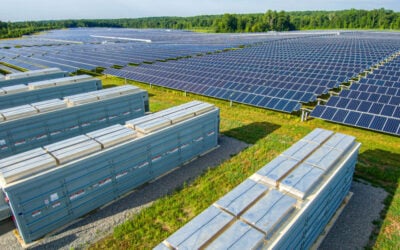
According to Barron’s, Barclays believes the position of electric utilities as “a sturdy and defensive subset of the investment grade universe”, will be threatened by the “confluence of declining cost trends in photovoltaic (PV) power generation and residential scale power storage”. The combination of these two trends, falling costs in solar and the increased deployment of residential energy storage, is the first truly cost-competitive substitute available for grid power for over 100 years, the Barclays credit strategy team claims.
Colorado-based sustainability research organisation Rocky Mountain Institute issued “The Economics of Grid Defection” in February, a report which looked at the possibility of “defecting” from grid networks by using a combination of solar power and electrical energy storage (EES) in five US regions. In Hawaii, solar-plus-storage has already reached grid parity, while New York will could grid parity for such systems by 2025. The Institute claimed that even before grid parity is reached, solar-plus-storage systems could eat into utilities’ revenues.
Try Premium for just $1
- Full premium access for the first month at only $1
- Converts to an annual rate after 30 days unless cancelled
- Cancel anytime during the trial period
Premium Benefits
- Expert industry analysis and interviews
- Digital access to PV Tech Power journal
- Exclusive event discounts
Or get the full Premium subscription right away
Or continue reading this article for free
Barron’s reported that Barclays recommended that in the near term, investors should seek to move away from holding bonds in utilities in those regions where grid parity was closer and seek out bonds in markets where this competitiveness remains more distant. Barron’s also quoted Barclays where the bank explained that the market is currently ignoring these disruptive risks, to some extent ascribing this inertia to “biases or analytical complexity”.
Similarly, in March, former US energy secretary Steven Chu said that in order to remain competitive, utilities need to respond by applying a new business model to prepare for the likely coming of cheap solar power and falling prices of residential storage batteries. Speaking at a University of Chicago event, Chu explained that it was possible to envisage a situation in five to 10 years where homeowners could be 80% ‘self-sufficient’ and off-grid with a US$10,000 to US$12,000 solar-plus-battery system.
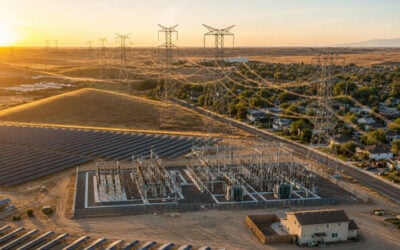
US financial news outlet Barron’s reported on its blog that the credit strategy team at Barclays had downgraded the entire sector to ‘underweight’. Image: wikimedia User: Alan Findlay