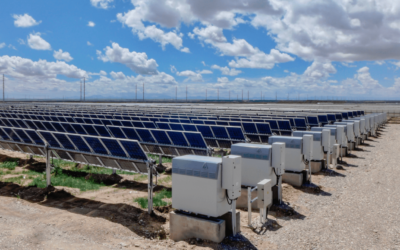
Within the US, different jurisdictions are at different points of DER adoption and interconnection: Ravi Subramaniam at IEEE asks commissioners from across the country about the different drivers and dynamics they see.
Algorithms for the control and optimisation of assets including batteries can be an energy trader’s best friend – nearly all of the time. Aaron Lally, managing partner at UK-based clean tech trading house, VEST Energy, explains why it’s good to know when to switch from automation to human-controlled trading.
A selection of video replays from the Energy Storage Digital Series, hosted earlier this year by Energy-Storage.news’ publisher Solar Media are available on YouTube and have been compiled into a handy playlist.
A newly released standard creates nationally applicable guidance for DER manufacturers on how grid support functions in their products will be tested. Brian Lydic, chief regulatory engineer at the Interstate Renewable Energy Council (IREC), talks about what this means for enabling the grid modernisation that will be needed to support high levels of renewable energy and energy storage.
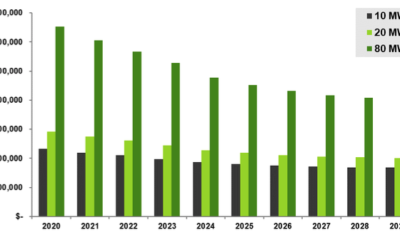
Stationary energy storage in support of electric vehicles (EVs) charging could reach a global installed capacity of 1,900MW by the end of 2029 according to a new Guidehouse Insights report.
More electricity storage and longer durations will be needed for the UK to meet net zero, according to electricity system operator National Grid ESO’s latest modelling.
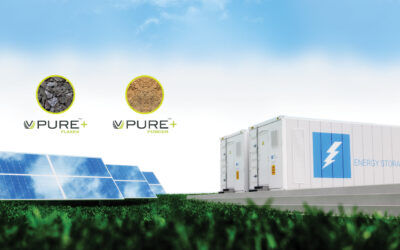
While we do acknowledge the challenges faced as a result of COVID-19, we cannot afford to lose sight of the opportunity renewable energy and energy storage solutions, such as the Vanadium Redox Flow Battery (VRFB) present, argues Paul Vollant, Director of Sales and Trading at vanadium supplier Largo Resources.
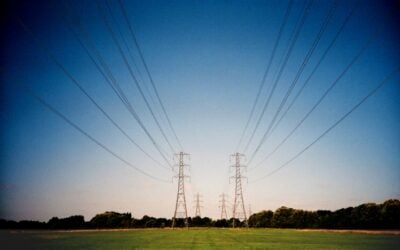
Taking the UK’s transmission system and the circumstances which led to a dramatic blackout as a direct example, Javier Cavada and Gary Preece of liquid air energy storage (LAES) systems company Highview Power look at how such events could be avoided, cost-effectively and with lesser environmental consequences.