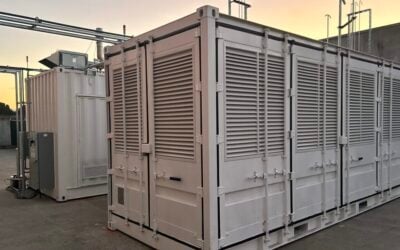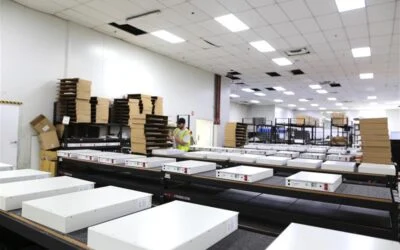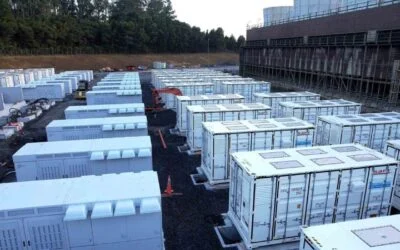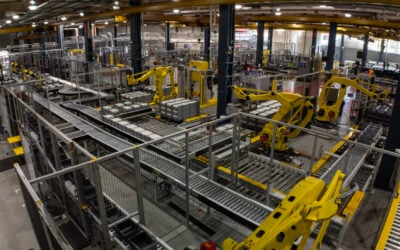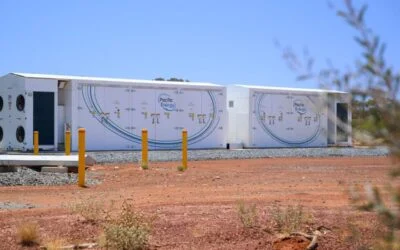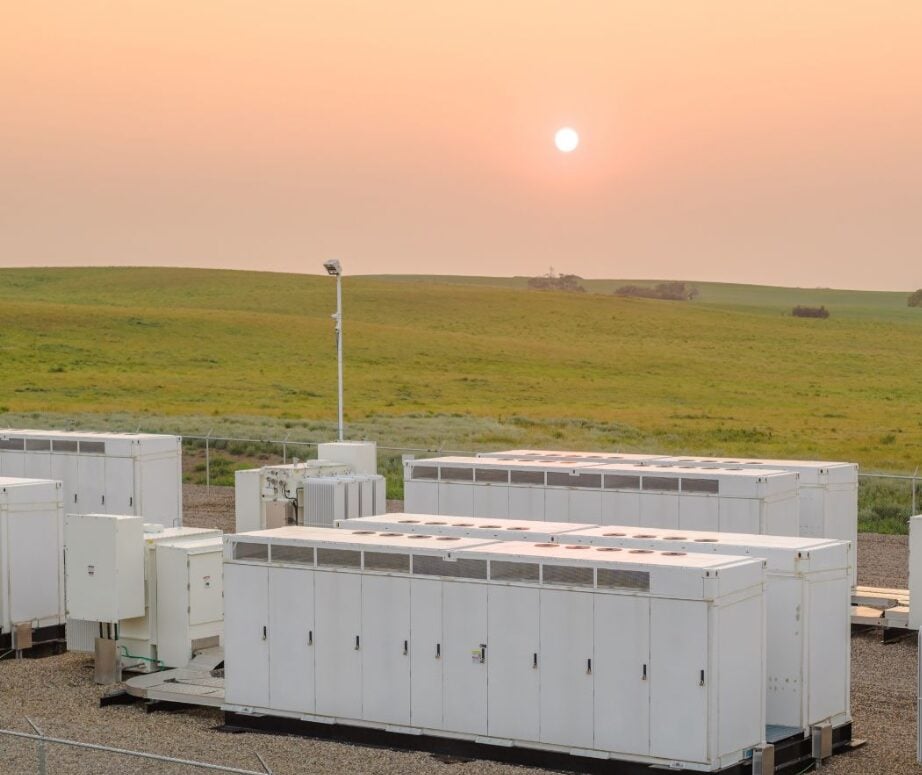
Danish investment firm Copenhagen Infrastructure Partners (CIP) has begun construction on the 300MW/1,500MWh Patache battery energy storage system (BESS) in northern Chile.
CIP, through its Growth Markets Fund II (GMF II) issued final notice to proceed (FNTP), authorising the start of construction activities under the main supply and construction contracts.
CIP claims that Patache is “strategically located in an area with world class solar resource”, sited adjacent to existing transmission infrastructure and energy intensive industrial clusters.
The company said further that the solar power shifting and balancing services provided by Patache will reduce reliance on thermal generation during peak hours, lower CO2 emissions, and enabling further integration of large-scale solar energy into the Chilean power system.
Try Premium for just $1
- Full premium access for the first month at only $1
- Converts to an annual rate after 30 days unless cancelled
- Cancel anytime during the trial period
Premium Benefits
- Expert industry analysis and interviews
- Digital access to PV Tech Power journal
- Exclusive event discounts
Or get the full Premium subscription right away
Or continue reading this article for free
Additionally, the project has qualified for an “internationally recognised” carbon offset programme.
In 2024, CIP reached final investment decision on the 220MW/1,100MWh Arena BESS project in Antofagasta.
Most BESS projects in Chile are paired with solar PV. While Arena is a standalone project, it’s still located in Chile’s northern region, where high irradiation levels have concentrated the country’s solar capacity.
As reported earlier this year by our colleagues at PV Tech, solar and wind curtailment in Chile surpassed 6TWh in 2025, up 8% year-on-year, according to Chilean renewable energy and storage association ACERA.
Without BESS absorbing curtailed generation, the situation would have been far worse. ACERA estimates that curtailment could have reached 8TWh, a 43% increase, if operational BESS hadn’t stored renewable energy that would otherwise have been wasted.
ACERA noted that if all curtailed solar and wind had reached the grid in 2025, renewable energy’s share would have been 49.4% instead of 42.4%.
Energy storage deployment is accelerating in Chile. If current trends continue, ACERA projects approximately 9GW of BESS, averaging 4-hour duration, will be operational by the end of 2026, quickly surpassing the country’s 2GW BESS deployment by 2030 target four years ahead of schedule.
Central Oasis is Grenergy’s second GWh-scale hybrid project in Chile, following Oasis de Atacama in the country’s Atacama Desert region.
Earlier this month, CIP exited one of South Australia’s largest BESS projects, agreeing to sell its stake in the 240MW/960MWh Summerfield BESS to Palisade Investment Partners.