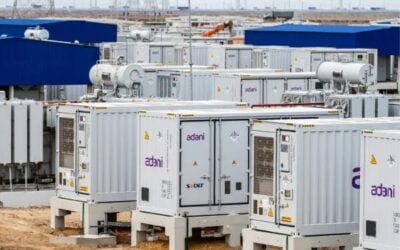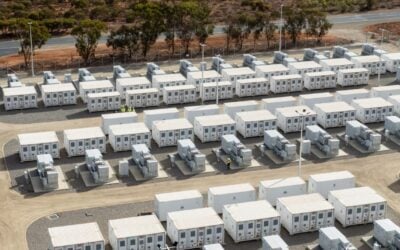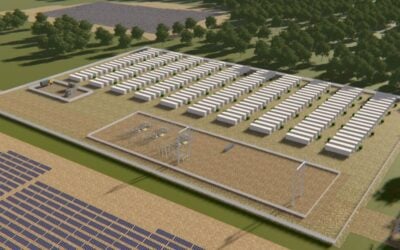
India’s state-owned renewable energy agency, the Solar Energy Corporation of India (SECI), is inviting bids for 4,800MWh of firm and dispatchable renewable energy (FDRE) capacity supported by co-located energy storage systems.
The tender, designated FDRE-IX, seeks developers capable of delivering 4,800MWh of assured renewable electricity during peak demand periods, equivalent to four hours of supply from 1,200MW of contracted capacity. Projects must be connected to the interstate transmission system (ISTS).
Bid submissions will close on 20 July 2026, with opening scheduled for 23 July. Developers will be required to pay a tender document fee of INR50,000 (US$528.12), alongside a processing fee of INR20,000 (US$211.25) per MW, capped at INR2 million (US$21,128), excluding applicable taxes.
Under the scheme, developers can bid for a minimum contracted capacity of 50MW and a maximum of 600MW. The same 600MW ceiling will apply across affiliated companies, parent entities and group firms.
Try Premium for just $1
- Full premium access for the first month at only $1
- Converts to an annual rate after 30 days unless cancelled
- Cancel anytime during the trial period
Premium Benefits
- Expert industry analysis and interviews
- Digital access to PV Tech Power journal
- Exclusive event discounts
Or get the full Premium subscription right away
Or continue reading this article for free
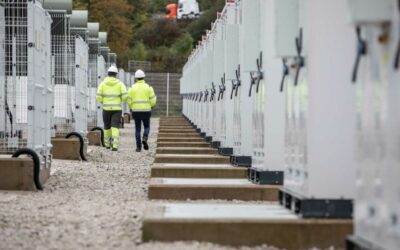
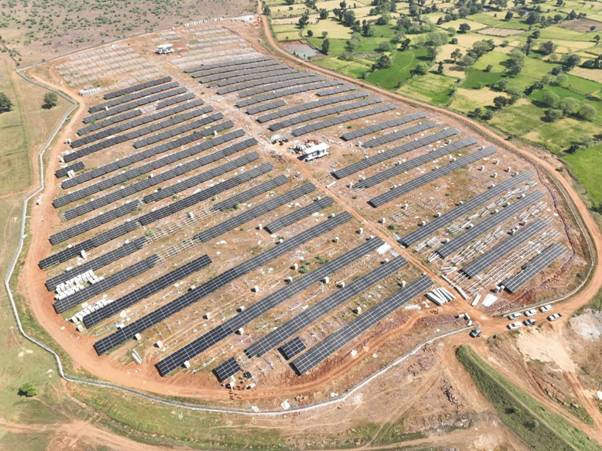
SECI said the renewable generation asset and associated storage system must be co-located, although projects may be built anywhere in India. The requirement comes as India increasingly shifts towards co-located renewable energy and storage projects to improve grid reliability, optimise land and transmission infrastructure and enable greater deployment of dispatchable clean power.
Successful bidders will sign 25-year power purchase agreements (PPAs) with SECI, which will subsequently sell the electricity to distribution companies and other offtakers through back-to-back power sale agreements.
The buying entity will nominate a four-hour daily peak-demand window during which developers must supply energy. Each megawatt of contracted capacity must deliver 4,000kWh during the designated peak period, translating to up to 400,000kWh for every 100MW contracted.
The tender also allows developers to use storage assets for additional revenue streams outside contracted peak hours, including trading electricity on power exchanges or selling to third parties. However, PPA obligations will take precedence.
To read the full version of this story, visit PV Tech, where it was first published.