Swedish independent power producer (IPP) OX2 has confirmed it has started construction activities at the 100MW/300MWh Muswellbrook solar-plus-storage site in New South Wales (NSW), Australia.
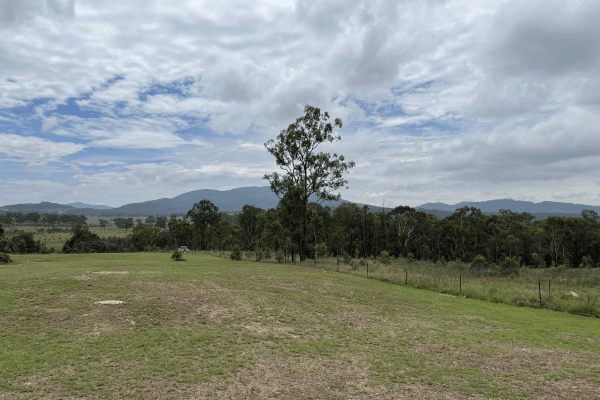
The project, which combines 300MWh of battery energy storage systems (BESS) with a 135MW solar PV power plant, will cover 482 hectares in the Hunter Central Coast Renewable Energy Zone of New South Wales on land “formerly associated with coal mining operations,” according to the company.
Building work will involve the construction of 2.4km of new overhead wires to connect to the state’s electricity grid and the National Electricity Market (NEM) via a connection to a 132kV transmission line owned by electricity distribution company Ausgrid. OX2 expects to complete construction in 2028.
The project has been developed in tandem with two Japanese entities: energy company Idemitsu, which worked on the project development, and bank MUFG, which has led the project financing.
Try Premium for just $1
- Full premium access for the first month at only $1
- Converts to an annual rate after 30 days unless cancelled
- Cancel anytime during the trial period
Premium Benefits
- Expert industry analysis and interviews
- Digital access to PV Tech Power journal
- Exclusive event discounts
Or get the full Premium subscription right away
Or continue reading this article for free
OX2 has already secured an offtake agreement with an unnamed “international offtaker”, and this deal will cover both the project’s solar and battery energy storage system (BESS) components.
“I’m proud of the work that has brought this project to life and of our contribution to strengthening the energy supply in New South Wales,” said OX2 CEO Matthias Taft.
“The investment highlights our long-term commitment to Australia and supports our growth as an independent power producer.”
OX2 secured approval for the project under Australia’s Environment Protection and Biodiversity Conservation (EPBC) Act last August, and is the company’s second solar-plus-storage project in the state to receive approval.
Australia has been a focus of the company’s development, which has transitioned from a developer to an IPP over the last year since its acquisition by investment firm EQT in October 2024.
Current CEO Taft started work in September 2025, following work at German renewables firm BayWa r.e. over the previous decade; he started managing the company’s renewable energy division in 2013 and was appointed CEO of the German company in 2021.
Muswellbrook development consent granted ‘subject to conditions’
Readers of Energy-Storage.news may remember that the Muswellbrook solar-plus-storage project received development approval from the NSW Independent Planning Commission, subject to conditions, back in May 2025.
Indeed, the development application was assessed by the Department of Planning, Housing and Infrastructure and referred to the Independent Planning Commission for determination because more than 50 public objections were made to the Department during its assessment of the project.
In its Statement of Reasons for Decision, the Commission found that the site was “suitable for the project given its location within the Hunter-Central Coast REZ and its consistency with the applicable strategic land use planning framework and relevant statutory requirements”.
The Commission said it assessed the proposal’s local, regional, and statewide benefits, impacts, and risks and found that it was in the public interest.
However, in light of the public objections, the Commission has granted approval for the site given that it meets certain requirements.
For instance, the developer must prepare a traffic management plan, developed in consultation with the local Council and Transport for New South Wales, and a voluntary planning agreement with the Council to deliver benefits to the community.
It also requires creating a comprehensive waste management plan that identifies ways to maximise the recycling of solar module-related waste. A detailed biodiversity management plan will also be necessary to minimise vegetation clearing and avoid unnecessary disturbances.
Furthermore, an accommodation and employment strategy must be established to ensure adequate housing for the workforce without impacting local accommodations. Finally, a comprehensive decommissioning and rehabilitation plan is required to address the project’s end-of-life.
This article first appeared on PV Tech.
Additional reporting for Energy-Storage.news by George Heynes.