Western Australia puts battery storage, solar at heart of economic recovery stimulus package

LinkedIn
Twitter
Reddit
Facebook
Email
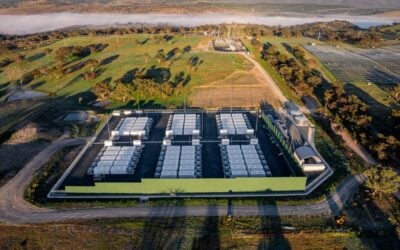
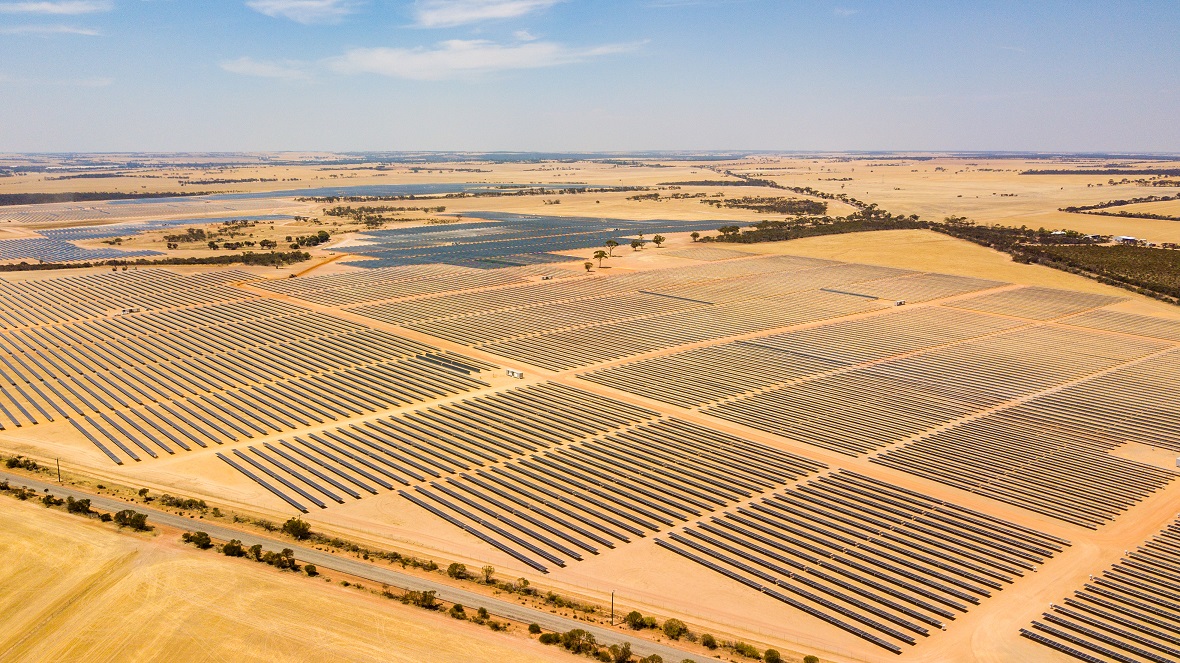
Merredin solar farm, a 100MW+ project just completed in Western Australia – one of the first big solar farms in the state. Image: Risen Energy.

Western Australia will invest AU$56.3 million (US$40.11 million) in solar power as part of a new renewable energy plan designed to kickstart the state’s economy following the impacts of the COVID-19 pandemic.

The stimulus package, which consists of a total AU$66.3 million (US$47.23 million) spend on green energy technologies, will see the development of 50 standalone power systems and the installation of nine battery energy storage systems.

To read the full version of this story, visit PV Tech.

This article requires Premium SubscriptionBasic (FREE) Subscription

Try Premium for just $1

  • Full premium access for the first month at only $1
  • Converts to an annual rate after 30 days unless cancelled
  • Cancel anytime during the trial period

Premium Benefits

  • Expert industry analysis and interviews
  • Digital access to PV Tech Power journal
  • Exclusive event discounts

Or get the full Premium subscription right away

Or continue reading this article for free

Read Next

November 20, 2026
Energy transition expert Chris Nelder looks at which countries are leading the way in the geopolitical race for clean energy supremacy.
November 20, 2026
Another BESS Industry Buzz, looking at what people are discussing in the industry plus some of the most notable quotes from the RE+ trade show, which concluded yesterday.
November 20, 2026
EDF power solutions Australia has acquired the 250MW Holloway BESS project in New South Wales (NSW) from developer SynCo Global.
November 20, 2026
Australia committed a record 2.4GW of renewable energy projects to construction in the third quarter of 2026, while battery energy storage systems (BESS) committed in the quarter covered 13% of the new storage capacity needed by 2030.
November 20, 2026
Spain’s first batteries earn mostly from balancing services. As the fleet grows, value is broadening into arbitrage, capacity contracts and new demand, and the projects that capture it will be the ones structured for that mix, writes Roy Franco of renewables investor Energile.