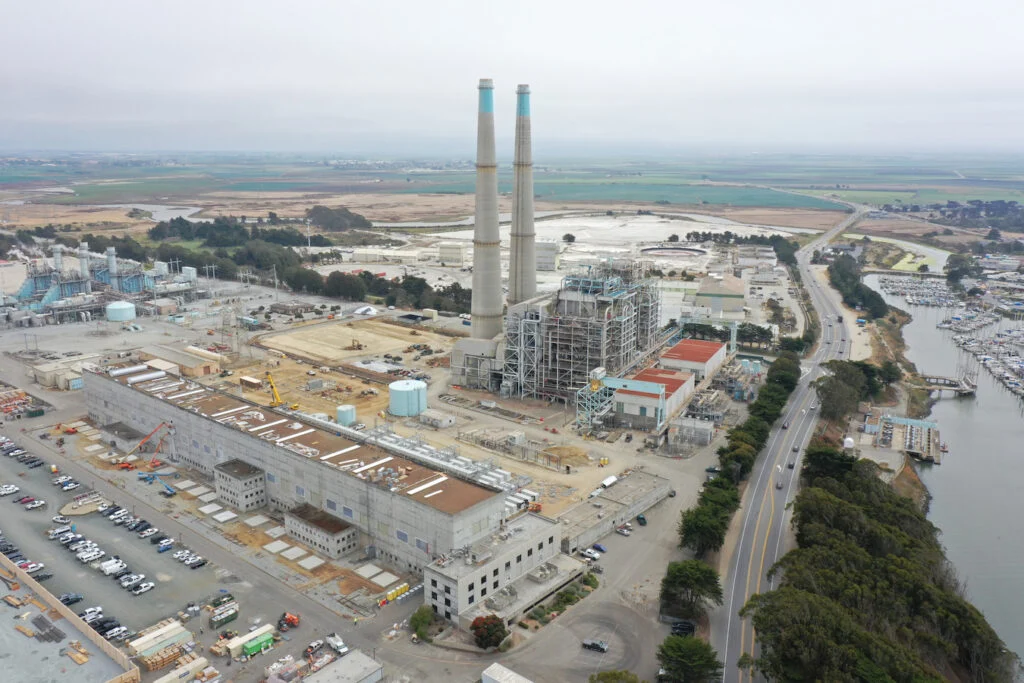
Utility and power generation firm Vistra will write down the value of its Moss Landing BESS to the tune of US$400 million in depreciation expense, its entire remaining book value.
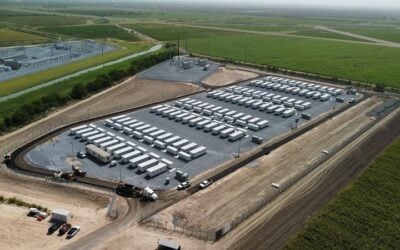
The 300MW battery energy storage system (BESS) project caught fire in January, one of the largest fire events we’ve ever covered. It was one of three BESS projects at the site owned by Vistra, alongside a gas plant, while investor-owned utility (IOU) PG&E owns an entirely separate BESS project on the other side of the gas plant, the Elkhorn project.
The firm revealed the value of the write down in its 10-K filed late last month, and repeated in its annual report to security holders earlier this week. We covered it initially in a Premium article this week about BESS in California.
“We are still investigating the cause and impacts, but expect to write off approximately $400 million of plant value to depreciation expense in the first quarter of 2025, representing the facility’s remaining net book value,” it said.
Try Premium for just $1
- Full premium access for the first month at only $1
- Converts to an annual rate after 30 days unless cancelled
- Cancel anytime during the trial period
Premium Benefits
- Expert industry analysis and interviews
- Digital access to PV Tech Power journal
- Exclusive event discounts
Or get the full Premium subscription right away
Or continue reading this article for free
The whole site, including the two other BESS projects and the gas plant, has an aggregate book value of around US$1 billion (including Moss Landing phase one).
Vistra also revealed that the other two BESS sites remain offline as it investigates the fire. Additional costs incurred from the event include loss of revenue from the facilities being offline, and may include litigation costs and penalties under contracts, it added. It will also continue to assess if there are impairments to the BESS assets.
Vistra expects to recover a significant portion of the direct losses incurred from each event through property damage insurance and business interruption insurance, it said. Two lawsuits have been filed in California state court against Vistra, LG, and others, arising from the event, it added.
The 10-k also said that there was a fire at its Martin Lake coal plant in ERCOT in November 2024, though the depreciation is much lower at under US$1 million.
The industry fallout from the Moss Landing fire is ongoing, with tougher rules on developing BESS projects in the state one of the results.