As distributed energy resources (DER) such as residential solar rooftop increase in the next decade, their aggregation into virtual power plants (VPPs) could save US utilities up to US$35 billion, according to a study from consultancy The Brattle Group.
A key finding of the study – which was prepared for tech giant Google – outlines the net cost for utilities to provide resources from a VPP would be between 40-60% of the cost of alternative options and thus by deploying 60GW of VPP could both meet US resource adequacy and save between US$15-35 billion in the next decade.
The reliability of a VPP leveraged through residential load flexibility is equal to conventional resources and is able to contribute at a similar scale to resource adequacy.
One of the main drivers for the increased deployment of VPPs will be due to the growth of distributed energy resources (DERs) in the US within the next decade, customers allowing a utility or an aggregator to manage it.
Try Premium for just $1
- Full premium access for the first month at only $1
- Converts to an annual rate after 30 days unless cancelled
- Cancel anytime during the trial period
Premium Benefits
- Expert industry analysis and interviews
- Digital access to PV Tech Power journal
- Exclusive event discounts
Or get the full Premium subscription right away
Or continue reading this article for free
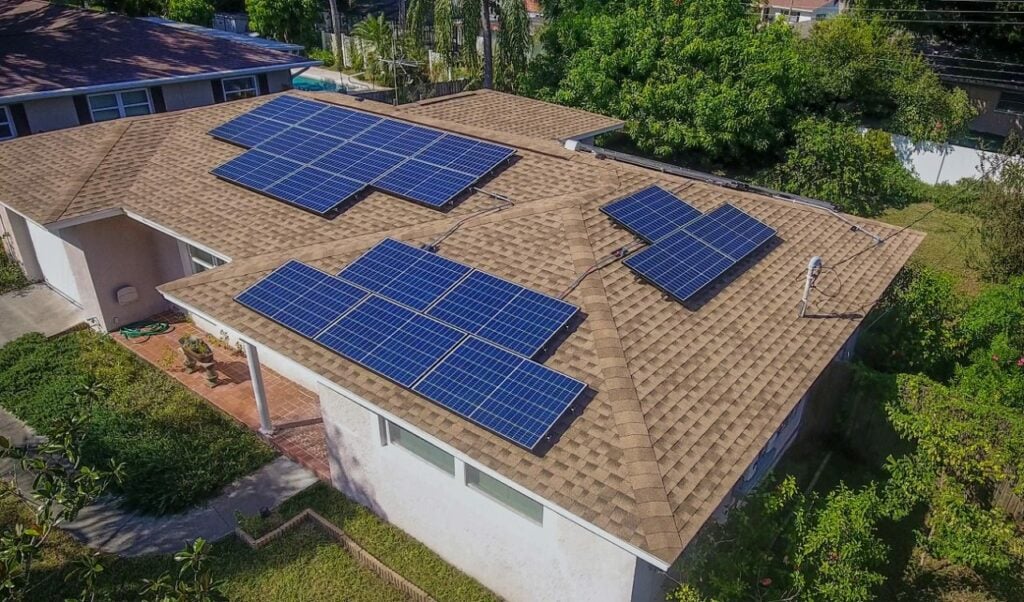
Solar residential rooftop is expected to reach a total capacity of 83GW in the US by the end of the decade, up from the current 27GW, while BTM batteries are expected to increase by more than tenfold from 2GW currently to 27GW in 2030, according to Brattle Group.
To read the full version of this story, visit PV Tech.
See more of Energy-Storage.news’ coverage of virtual power plants here.