The US and the European Union have made a fresh pledge to support green energy in Africa, which includes energy storage and off-grid power systems in its remit.
Announced on Friday, the collaboration seeks to support the growth of sustainable energy in Sub-Saharan Africa. Its aim is to contribute to building the “strategic autonomy of our African partners,” European Commission (EC) Commissioner for International Partnerships Jutta Urpilainen said.
As such, that includes fostering a just and equitable energy transition for the region, reducing energy poverty, and enabling access to affordable and reliable energy delivered through modern technologies.
Almost two-thirds of people in Sub-Saharan Africa currently don’t have access to electricity at all, and the Memorandum of Understanding (MoU) signed by Urpilainen and USAID Administrator Samantha Powell highlights how this limits access to opportunities in healthcare, education, the economy, and quality of life improvement for about 600 million people.
Try Premium for just $1
- Full premium access for the first month at only $1
- Converts to an annual rate after 30 days unless cancelled
- Cancel anytime during the trial period
Premium Benefits
- Expert industry analysis and interviews
- Digital access to PV Tech Power journal
- Exclusive event discounts
Or get the full Premium subscription right away
Or continue reading this article for free
The US and EU will work together at regional and national level to address that situation, from areas like knowledge sharing, developing flagship projects, empowering women in the power sector, and opening policy dialogue and working on regulatory reform to unlock capital and investment, including from institutional investors.
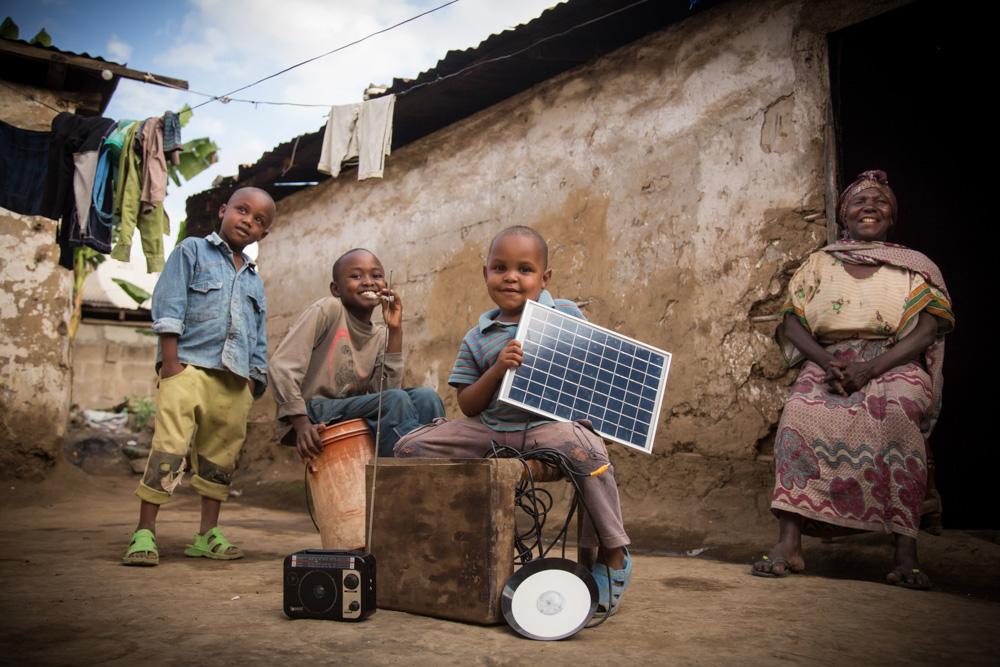
In terms of technologies, they will focus on small-scale and off-grid power generation from renewable energy sources, which includes electrification of schools and health facilities, businesses led by women and by young people, and rural households.
They will also focus on energy storage, energy efficiency and transmission system development.
The pair’s partnership continues on from work started up from the US side during the Obama presidency in 2015, under the Power Africa initiative, which leverages public-private partnerships.
From the EU side, it falls under the EU-Africa Green Energy Initiative, part of the Union’s Global Gateway programme which aims to mobilise up to €300 billion (US$292.5 billion) investment in supporting energy, digital and transport sector development around the world.
Read the ‘US-EU Memorandum of Understanding between the European Union and the United States of America for a Just and Green Energy Transition and Sustainable Development of the Energy Sector in Sub-Saharan Africa,’ hosted on the EU website, here.