Manufacturing firm Arxada has started producing Prussian Blue materials for Natron sodium-ion battery production while US-based Mitra Chem has hired EPC firm Bechtel to design its LFP cathode facility.
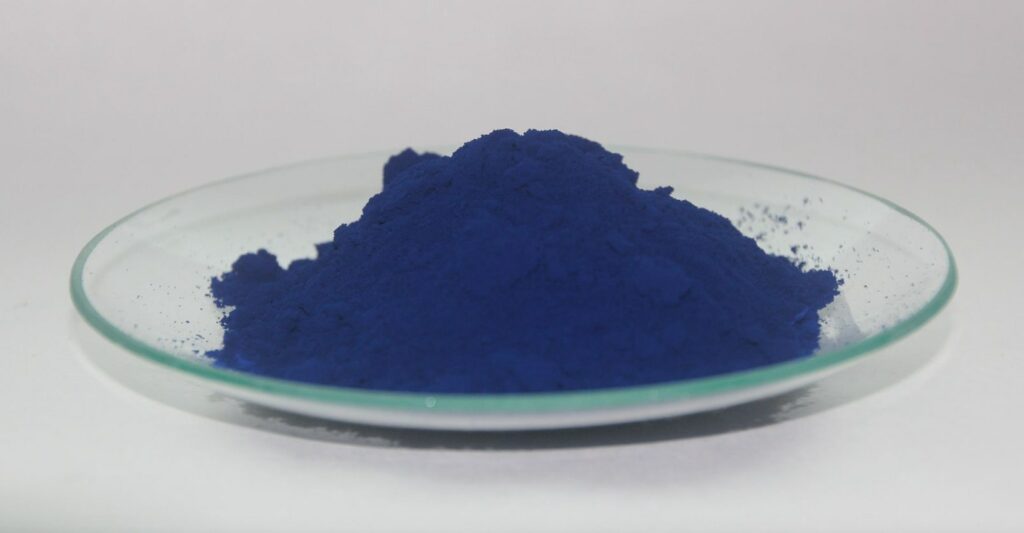
Sodium-ion battery company Natron has secured a deal with Switzerland-based Arxada for the latter to begin producing battery-grade Prussian blue material at its facility in Visp, in the Canton of Valais.
The facility will immediately begin supplying Natron with the materials for it to produce up to 600MW of its sodium-ion batteries annually, when its own facility in Michigan opens in 2023.
Meanwhile, US company Mitra Chem has awarded a front-end engineering design (FEED) contract to the engineering, procurement and construction (EPC) and project management firm Bechtel for its cathode manufacturing facility in Mountain View, California.
Try Premium for just $1
- Full premium access for the first month at only $1
- Converts to an annual rate after 30 days unless cancelled
- Cancel anytime during the trial period
Premium Benefits
- Expert industry analysis and interviews
- Digital access to PV Tech Power journal
- Exclusive event discounts
Or get the full Premium subscription right away
Or continue reading this article for free
The facility is expected to start production of lithium iron phosphate (LFP) cathodes on a commercial scale by 2025, although has already started small production for customer qualification.
Natron’s battery chemistry seeks to displace lithium-ion
Natron, also based in California, says it is the only company shipping UL-listed sodium-ion battery products in the marketplace.
Sodium-ion is one of the non-lithium battery chemistries with the most immediate roadmap to large-scale production, with 5-10GWh of global manufacturing capacity expected by 2025, according to Max Reid, research analyst in Wood Mackenzie’s Battery & Raw Materials Service segment.
Various industry sources Energy-Storage.news has spoken with, including major battery storage system integrators, have said they are watching the sodium-ion space closely.
Natron says its battery grade Prussian blue has a chemical composition which results in breakthrough battery performance, allowing full charge and discharge in minutes for “tens of thousands of cycles”. It said the material can be manufactured at high volume and low cost in existing fin chemical plants, and does not require mined ore or rare minerals.
Other firms looking to bring sodium-ion batteries to large-scale production include China’s CATL, the world’s biggest lithium battery manufacturer, and UK-based firms AMTE Power and Faradion (recently acquired by Indian conglomerate Reliance).
The agreement between Natron and Arxada for the supply of Prussian blue was announced in April 2021, when Arxada was called Lonza Specialty Ingredients before a rebrand (having previously been part of manufacturing giant Lonza Group).
Mitra Chem moving forward with US-made LFP cathode materials
Mitra Chem’s appointment of Bechtel follows closely on from an announcement that it had begun shipments of its LFP materials to a Tier 1 global battery cell manufacturer for customer approval and qualification. Those are being produced in its Mountain View facility.
The firm said that the passage of the Inflation Reduction Act has ‘supercharged demand’ for US-made battery materials thanks to consumer tax credits tied to US-manufactured materials usage. It claimed that it has has additional requests for samples to cover the next seven months from “nearly every” global Tier 1 battery cell maker and multiple automotive OEMS.
As part of the first phase of the LFP manufacturing plant project, Bechtel will adopt Mitra Chem’s cathode making process to design the manufacturing facility and perform planning for the commercial facility.
Justin Britt, general manager of Bechtel’s electric vehicle business said: “Bechtel’s proven processes and innovations will ensure Mitra Chem continues accelerating its time-to-market timeline to deliver batteries critical to the expansion of EVs and electric storage capacity in the United States.”
Manufacturing firm Arxada has started producing Prussian blue materials for Natron sodium-ion battery production while US-based Mitra Chem has hired EPC firm Bechtel to design its LFP cathode facility.