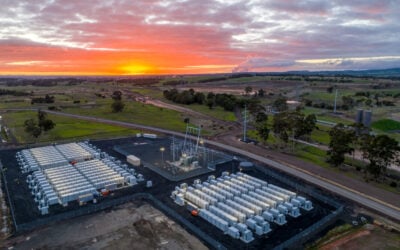
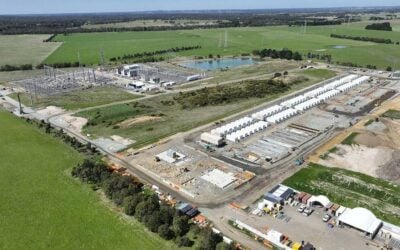
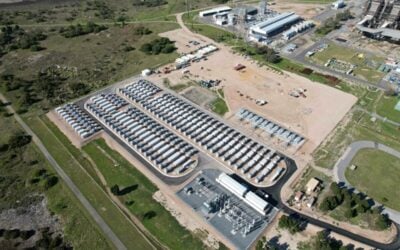
Smart energy infrastructure company SMS has begun construction on its first battery energy storage project in the UK.
The 50MW battery storage development in Burwell, Cambridgeshire will be followed later this month by construction of a 40MW storage site in Barnsley, South Yorkshire. Burwell is expected to be completed in the final quarter of 2021, with Barnsley finished not long after, and both are expected to play into a range of balancing and ancillary services.
SMS said the projects were the first in a pipeline of 270MW of storage assets it is looking to develop over the next two years.
Tim Mortlock, chief operating officer at SMS, said the 90MW of storage signified the company’s “arrival in the utility-scale storage market”.
Try Premium for just $1
- Full premium access for the first month at only $1
- Converts to an annual rate after 30 days unless cancelled
- Cancel anytime during the trial period
Premium Benefits
- Expert industry analysis and interviews
- Digital access to PV Tech Power journal
- Exclusive event discounts
Or get the full Premium subscription right away
Or continue reading this article for free
“Over time, we are aiming to establish a strong pipeline in this space, building on decades of dedication and expertise in developing Britain’s low-carbon energy infrastructure.”
Established in 1995, SMS is best known for its role in the national rollout of smart meters, where it provides funding, installation, operation and management of smart meters and carbon reduction assets.
In March 2020, it entered the virtual power plant (VPP) space with the acquisition of battery storage, microgeneration and electric vehicle charger start-up Solo Energy.
SMS pointed to the significant opportunity in the battery sector, with the technology’s balancing abilities making it critical in the transition to a low-carbon energy system, as the key driver in it entering the market.
“The case for battery storage and the wider benefits they deliver to the grid is undoubted,” added Mortlock. “When operational, our batteries will play an important role in improving the adoption of cleaner, lower-cost renewables and help bolster system resilience as we come to rely on more intermittent forms of generation.
“An increased capacity of batteries on the grid will, in many ways, also contribute to a more affordable energy system for consumers. These benefits are central pillars of the government’s net zero 2050 target, and our business strategy is to deliver the network of low-carbon assets needed to reach that goal as soon as possible.”
This story first appeared on Solar Power Portal.
Our publisher Solar Media is hosting the Energy Storage Summit 2021 in a new and exciting format, on 23-24 February and 2-3 March. See the website for more details.