A second-round auction in the UK for grid stability services, including inertia, concluded without any wins for grid-forming battery energy storage system (BESS) projects.
The UK National Energy System Operator (NESO) awarded no contracts to battery storage projects in the Stability Market Round 2. This was despite an extensive pilot support scheme called Stability Pathfinder having already proven the technology’s capabilities in grid-forming and system stability.
In Stability Market Round 2, all BESS submissions failed at the technical assessment stage, while synchronous condensers and open cycle gas turbines (OCGTs) took 7.3 GVAs of contracts, market intelligence and analytics firm Modo Energy said.
Some of the failed batteries are already operational with active NESO Stability Pathfinder contracts, added Modo Energy analyst Zachary Jennings, posting the company’s analysis on LinkedIn.
Try Premium for just $1
- Full premium access for the first month at only $1
- Converts to an annual rate after 30 days unless cancelled
- Cancel anytime during the trial period
Premium Benefits
- Expert industry analysis and interviews
- Digital access to PV Tech Power journal
- Exclusive event discounts
Or get the full Premium subscription right away
Or continue reading this article for free
That is despite NESO having spent £323 million (US$430 million) on its Stability Pathfinder programme, which set out to show how newer technologies like BESS could provide inertia and other grid stability services which have historically been provided by gas plants. The Stability Market is the regular, long-term procurement mechanism for such stability services.
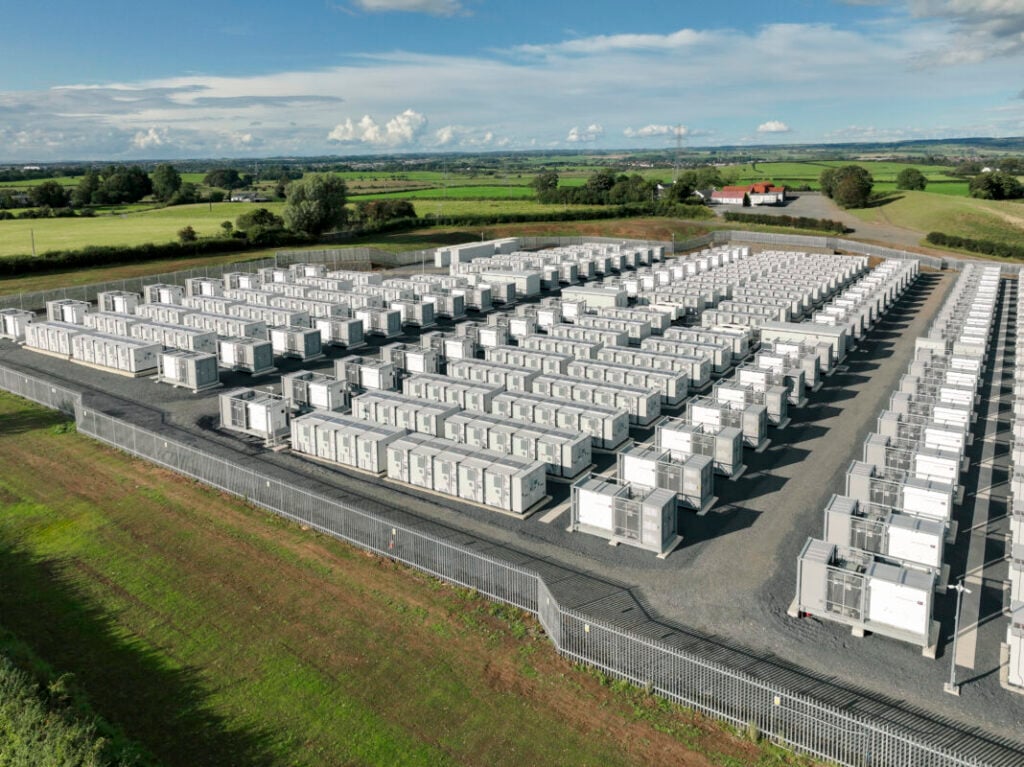
Owner-operator Zenobē has been the leading player in deploying BESS within the Pathfinder scheme, with two projects online: Blackhillock and Kilmarnock South, both in Scotland.
Comments from industry sources on Modo’s post showed frustration and concern at the lack of BESS awards despite the Pathfinder programme.
Multiple commenters suggested NESO favours synchronous/thermal assets over proven zero-carbon alternatives, with eligibility criteria appearing ‘written around incumbents rather than outcomes’, according to one.
However, one commenter said that NESO was being ‘reassuringly conservative’ when it came to procuring inertia, considering how critical the services are to a stable grid.
System integrator Wärtsilä provided the BESS and for both of Zenobē’s Stability Pathfinder BESS projects, and spoke to Energy-Storage.news for an article on grid-forming technologies in the Energy Storage Report 2026, which you can download here.
To read the full version of this story, visit Solar Power Portal, where it first appeared.