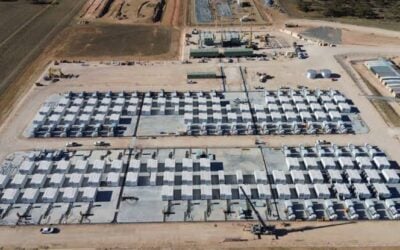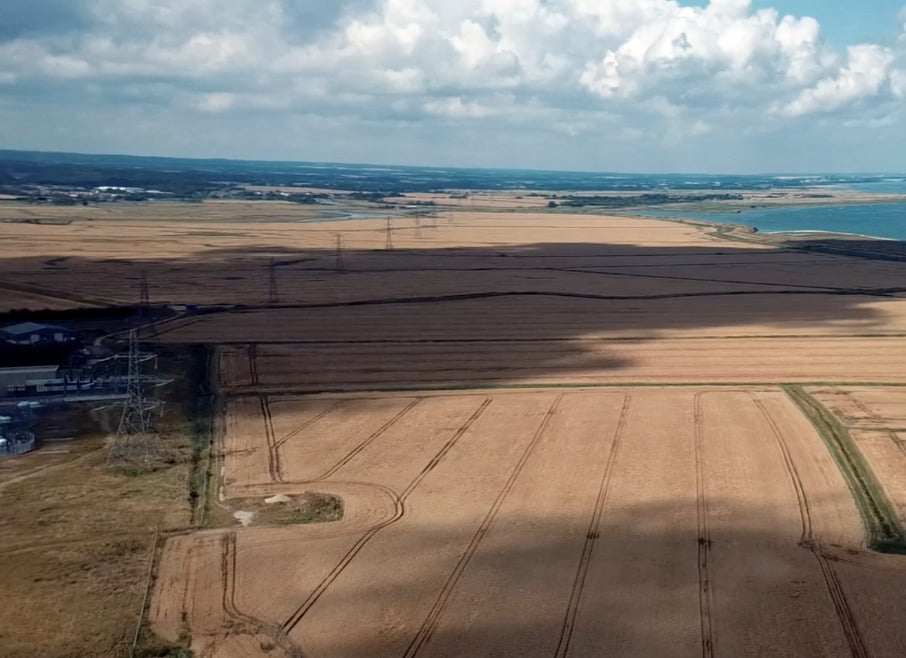
A 150MW BESS at the flagship Cleve Hill solar and storage project in the UK can now go ahead after its refusal by the local council was successfully appealed.
The developer of the Cleve Hill Solar Park project, a 373MW solar farm, has successfully appealed the local Swale Council’s decision to refuse consent for the co-located 150MW battery energy storage system (BESS).
Earlier this year, our sister site, Solar Power Portal, reported that a local planning committee for Swale Borough Council refused an application to install the BESS asset at the project, formally known as Project Fortress.
Residents had feared using lithium ferrophosphate (LFP) batteries to store energy as these are “more subject to explosion risk than other types”, a BBC report read. One of the primary reasons for the safety management plan’s initial rejection was a “lack of water storage facilities on site, a lack of access to the battery storage area, and the lack of an evacuation plan.”
Try Premium for just $1
- Full premium access for the first month at only $1
- Converts to an annual rate after 30 days unless cancelled
- Cancel anytime during the trial period
Premium Benefits
- Expert industry analysis and interviews
- Digital access to PV Tech Power journal
- Exclusive event discounts
Or get the full Premium subscription right away
Or continue reading this article for free
But in a win for large-scale solar farms, the decision has been successfully appealed, and the council’s conduct has been determined to have been unreasonable. As a result, the council must pay the developer’s appeal costs, and the project can go ahead.
The £450 million solar park was acquired by Quinbrook Infrastructure Partners from Hive Energy and Wirsol in 2021.
Gareth Phillips, partner and head of client relationships, global energy sector, at law firm Pinsent Masons, led the appeal and stated that the outcome is “confirmation that the developer’s battery proposals met the planning and safety requirements, and the local authority’s rejection of the plan was made without justification”.
See the original version of this article on Solar Power Portal.