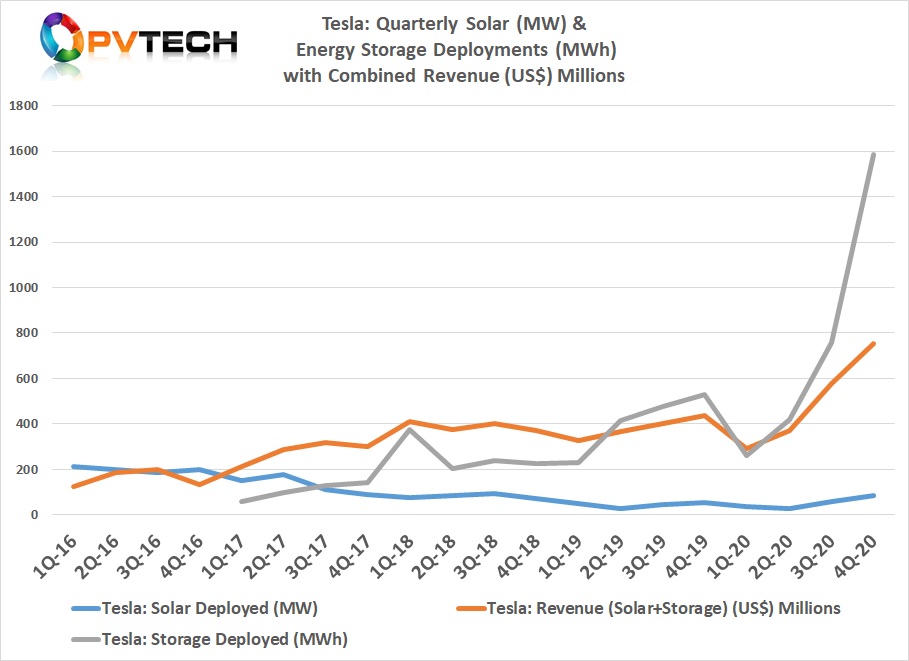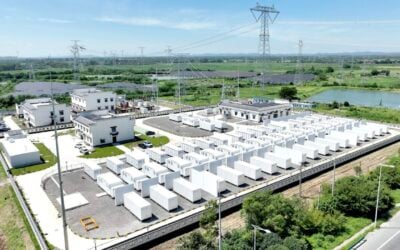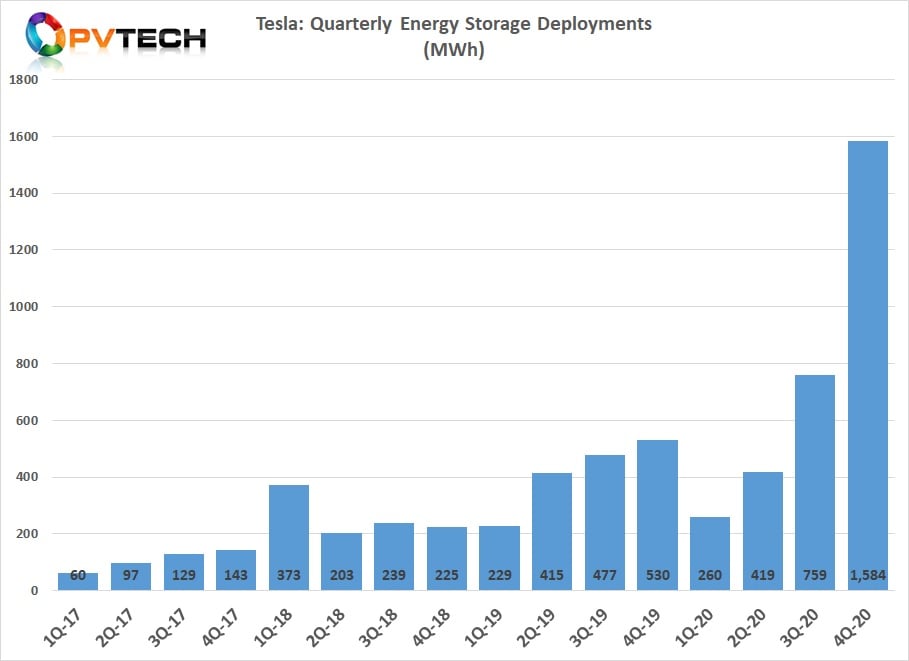
Tesla reported a significant increase in energy storage deployments for the fourth quarter of 2020, more than doubling record figures from the previous quarter as battery manufacturing expansions led to greater product availability but demand still outstrips supply.
The company reported record energy storage system (EES) deployments of 1,584MWh in the fourth quarter of 2020, up from the previous quarter, which had been a new record for the company of 759MWh. Utility-scale storage systems have been key to significant growth, although residential demand was also increasing.
Full-year ESS deployments reached 3,022MWh, compared to 1,651MWh in 2019, an increase of over 82% year-on-year.
In the earnings call, Elon Musk, CEO of Tesla noted that overall battery capacity target (used for both EVs and ESS) in 2022 was 200GWh, stating that the company could probably “achieve 30% of targeted design capacity in 2022.”
Try Premium for just $1
- Full premium access for the first month at only $1
- Converts to an annual rate after 30 days unless cancelled
- Cancel anytime during the trial period
Premium Benefits
- Expert industry analysis and interviews
- Digital access to PV Tech Power journal
- Exclusive event discounts
Or get the full Premium subscription right away
Or continue reading this article for free
The company had stated in its investor letter that ESS deployment demand and available supply in 2021 could result in similar growth rates seen in 2020.
Residential solar installs also jumped, rising from 57MW in Q3 2020 to 86MW in the final quarter of the year. It marks a significant jump on the 27MW deployed in Q2 2020, a performance largely attributed to the effects of the COVID-19 pandemic, and is the highest quarter of deployment since Q3 2018, when deployments topped 93MW.
To read the full version of this story, visit PV Tech.