Energy-Storage.news speaks to Willliam Lauwers, head of technology, BESS, at consulting, engineering and quality control firm Enertis Applus+, ahead of the upcoming Energy Storage Summit USA.
Energy-Storage.news Premium hears from Giovanni Damato, President of organic flow battery company CMBlu Energy, Inc., on changes to FEOC and Section 301 tariffs.
Energy-Storage.news Premium speaks to Daniel Dedrick, US-based BESS developer and operator, GridStor’s CTO, about the company’s strategies for navigating FEOC and Section 301 tariffs.
Energy-Storage.news Premium hears from Tom Cornell, CEO and President of Prevalon Energy, about the company’s strategies for navigating upcoming changes in the energy storage industry over the next year.
Foreign entity of concern (FEOC) restrictions and the scheduled Section 301 tariff increase to 25% on Chinese-origin battery energy storage systems (BESS) went into effect on 1 January 2026.
Shifting dynamics in the US’ BESS industry could mean that Chinese batteries are not even needed within the foreseeable future, a local consultant told Energy-Storage.news.
In a recently published interview with Energy-Storage.news Premium, CEO and President of Prevalon Energy, Thomas Cornell, spoke about the global consequences of the budget reconciliation bill.
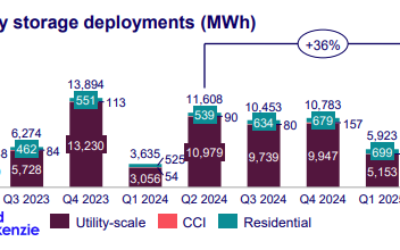
According to the Q3 2025 US Energy Storage Monitor from Wood Mackenzie Power & Renewables and the American Clean Power Association (ACP), annual installations will not reach 2025 levels again until 2029.