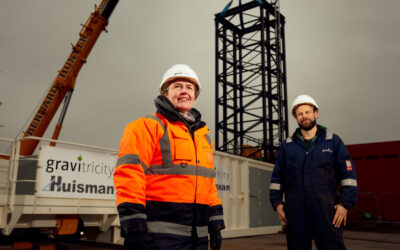
A new market mechanism for longer-duration storage should be created according to the UK’s Association for Renewable Energy and Clean Technology (REA).
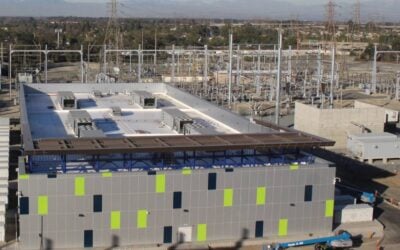
Pacific Gas & Electric (PG&E), one of California’s three main investor-owned utilities, has said that 1,400MW of battery storage is to be deployed in its service area by the end of 2023 will keep the company on-track to meet statewide renewable energy goals “while ensuring grid reliability”.
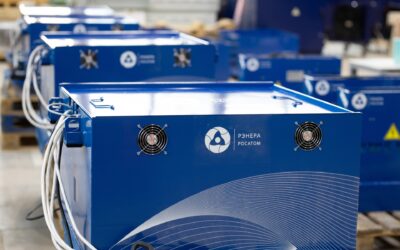
A subsidiary of Russian state-owned nuclear technology and electric utility company Rosatom, will establish domestic lithium-ion battery cell and manufacturing facilities, following a deal to acquire 49% of South Korean company Enertech International.
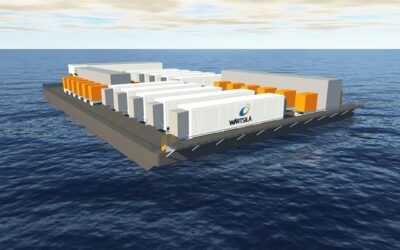
The energy storage system integration division of Wärtsilä Corporation will deploy a large-scale floating battery energy storage system for a thermal power facility in the Philippines.
The editorial team brings you the top takeaways from this year’s Summit, spanning everything from finance and the growing appetite for investment in the market today, to the technologies and policies that could help the UK and other nations to meet urgent deadlines for decarbonisation.
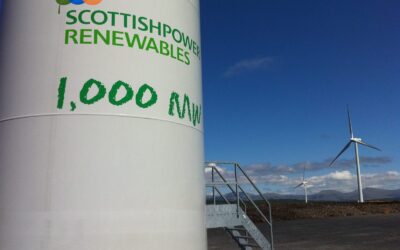
There are numerous benefits from collocating battery energy storage with wind power, including grid availability and planning ease explained ScottishPower Renewable’s Tony Gannon at the Energy Storage Summit 2021.
The US’ installations of advanced energy storage — almost entirely lithium-ion battery systems — went beyond the 1GW mark in 2020, while in capacity terms the figure was close to 3.5GWh.
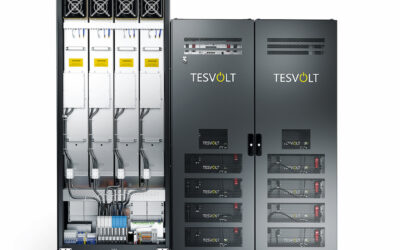
Launches of a new “allstar” commercial energy storage system and a large-scale storage solution designed to be moved from one site to another with ease demonstrate the changing needs of customers for versatile and flexible energy storage options.
Re-examining older and potentially hazardous battery energy storage systems should be an “essential” tool in fire prevention, according to a panel of industry leaders.
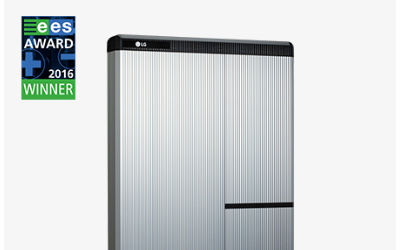
LG Energy Solution, formerly known as LG Chem, is offering free replacements to customers for some of its battery energy storage systems sold in Australia due to potential defects that could cause overheating.