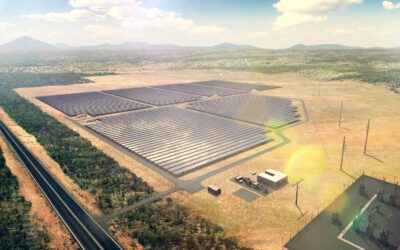
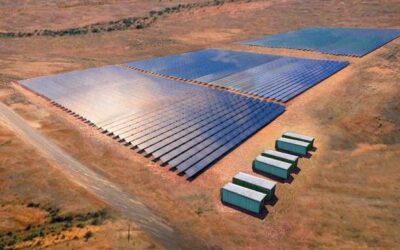
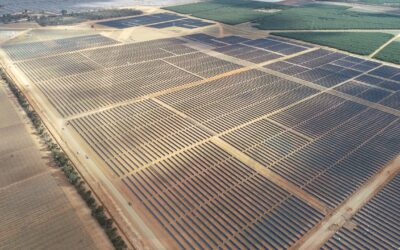
Eni Australia, a subsidiary of Italian oil and gas firm Eni, which has been active in Australia since 2000, has acquired a 33.7MW construction-ready solar-plus-storage project in the Northern Territory of Australia, from Katherine Solar, a joint venture between Australia’s Epuron and UK-based firm Island Green Power.
In the previous instalment of this blog, we looked at how our respondents from across the energy storage industry had viewed 2018’s biggest challenges. This time out we look at what some of 2018’s biggest successes were.
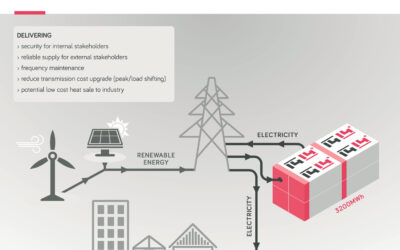
Work is underway on an energy storage project in South Australia that will use biogas to generate power to be stored in modules of molten silicon, from startup 1414 Degrees.
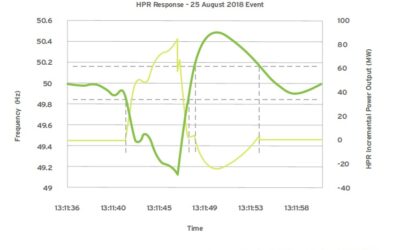
Hornsdale Power Reserve (HPR), the 129MWh battery energy storage system (BESS) deployed by Tesla and developer Neoen in South Australia in just 100 days, has been found to have had a positive impact on the local network.
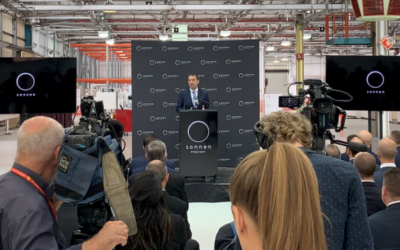
Steven Marshall, the Premier of South Australia, has welcomed the start of assembly-line work at Sonnen’s new factory in Adelaide, while rival Tesla’s virtual power plant (VPP) in the state is beginning its second phase of development.
In order to address intermittency in its grid, the South Australian Government has introduced a AU$50 million (US$36 million) Grid Scale Storage Fund (GSSF) to help accelerate the deployment of new large energy storage projects, including pumped hydro, hydrogen, gas storage, solar thermal, bioenergy and battery storage.
Australian Vanadium (AVL) and VSUN Energy have signed an agreement to work with the Future Batteries Industry Cooperative Research Centre (FBI CRC) on developing vanadium extraction and processing skills, particularly in Western Australia.
Contruction of a Tesla powerpack battery at the 60MW Gannawarra solar farm in Victoria, Australia – said the be the first battery storage system that has been retrofitted to an existing solar farm in the country – has been completed ahead of schedule.
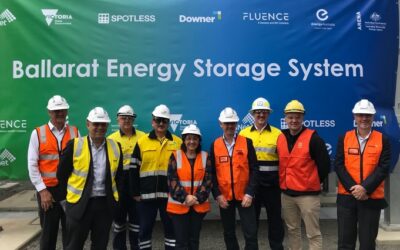
A 30MW / 30MWh battery energy storage system has been inaugurated with a ceremony in Victoria, Australia, with one project partner describing the switching-on as “a real watershed moment in the continuing modernisation” of the state’s energy supply.