Sungrow will supply inverters and battery energy storage system (BESS) equipment to a solar-plus-storage project at a goldmine in Egypt.
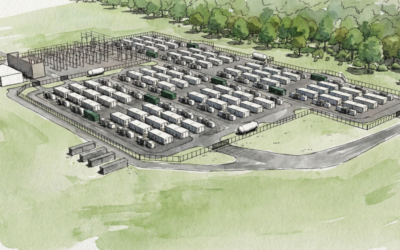
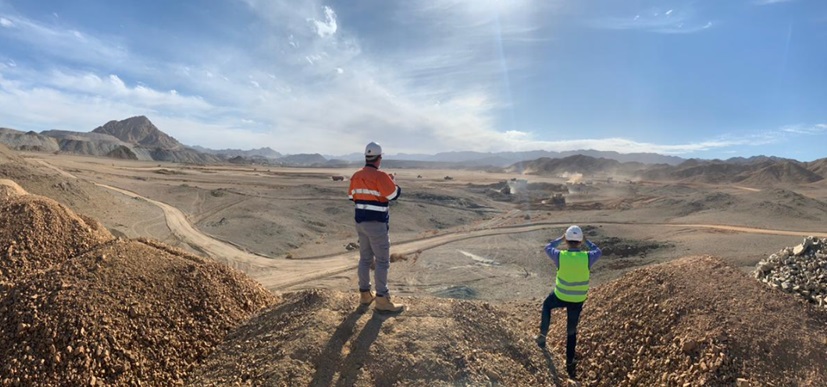
A 36MW off-grid solar PV system with bifacial modules and single-axis tracking paired with 7.5MW of battery storage is being built at Sukari, a goldmine operated by mining company Centamin in the east of Egypt, near the Red Sea.
The integrated energy solution is designed to drastically reduce the use of diesel at the site — by more than 20 million litres per year — improving its environmental footprint as well as its exposure to fuel price volatility and high transport costs.
Developer and EPC contractor juwi was awarded the project earlier this year, as reported by our sister site PV Tech. It is scheduled for commissioning in the first half of next year. Sungrow said a couple of days ago that its 1,500V 6.25MW PV inverter solution will be used along with its integrated energy storage system (ESS) with lithium iron phosphate (LFP) batteries.
Try Premium for just $1
- Full premium access for the first month at only $1
- Converts to an annual rate after 30 days unless cancelled
- Cancel anytime during the trial period
Premium Benefits
- Expert industry analysis and interviews
- Digital access to PV Tech Power journal
- Exclusive event discounts
Or get the full Premium subscription right away
Or continue reading this article for free
According to Sungrow, the local environment’s scorching heat as well as corrosion from sea air pose challenges for power equipment. The company’s smart forced air-cooling technology and anti-corrosion capability will enable the storage system and inverters to function stably without derating in such harsh conditions. It is also designed to maximise yields from bifacial PV modules. The Sungrow systems will be based on turnkey designs that the company claimed will enable efficient transportation, installation and O&M.
There have been a number of similar projects at different kinds of mines around the world, which are often in remote locations and have high energy consumption profiles. juwi completed its first such project in 2016 at DeGrussa Copper and Gold Mine in Australia, with 10.6MW of PV and 6MW of battery storage. Having since completed another project in Australia the company is currently also working on five more in Australia and South Africa that hybridise solar with energy storage.
“We would love to provide the best of environmental sustainability with cutting-edge PV and storage portfolio as a pivotal player in the industry. The solar-plus-storage micro-grid solution is also an ideal solution for regions with power outages or high power demand,” Sungrow MENA region managing director Alvin Shi, said.