Inverter manufacturer Sungrow, which is rapidly becoming also known for its energy storage systems (ESS), will be supplier for Stem Inc.’s forthcoming large-scale solar-plus-storage projects in Massachusetts.
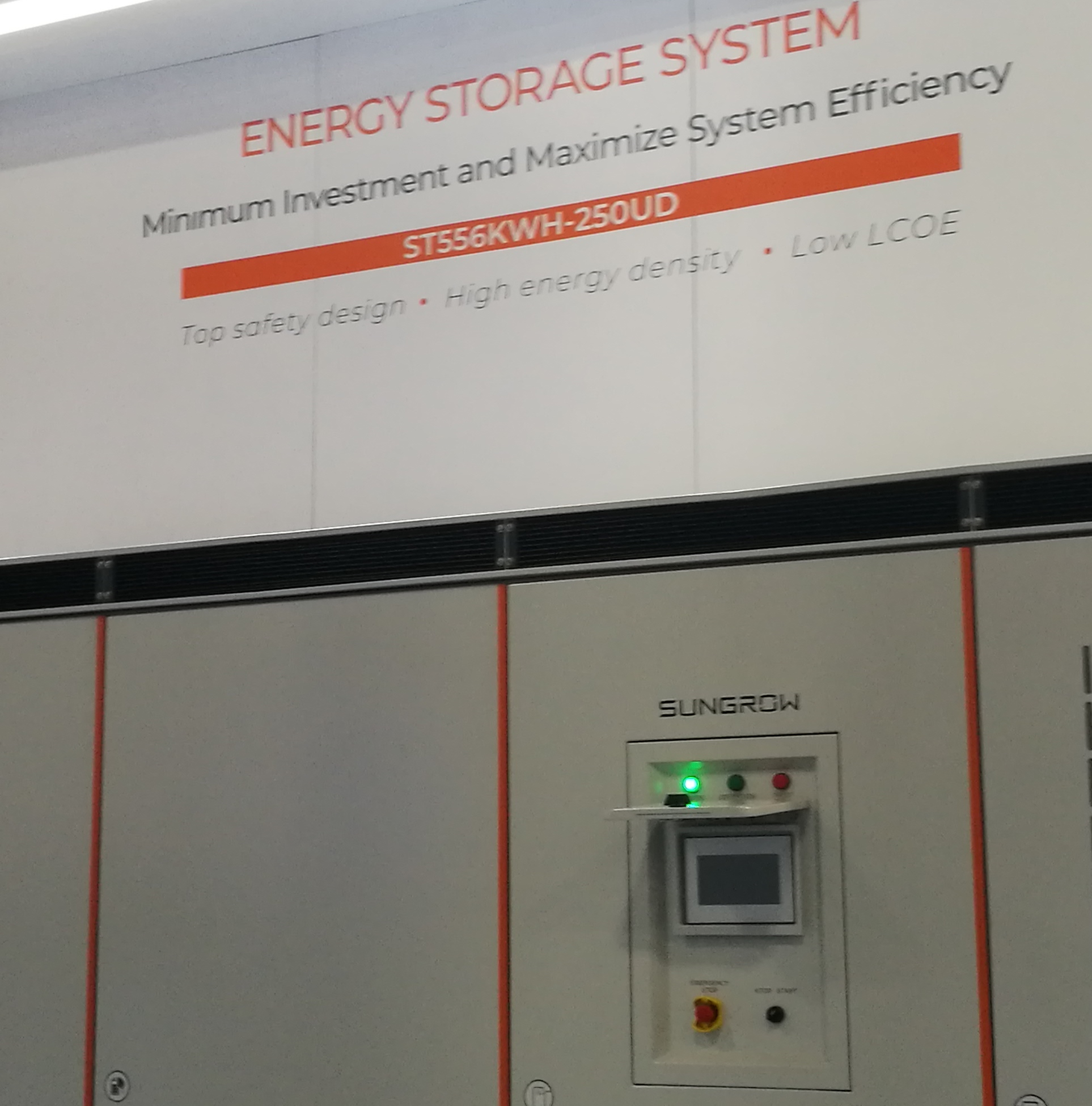
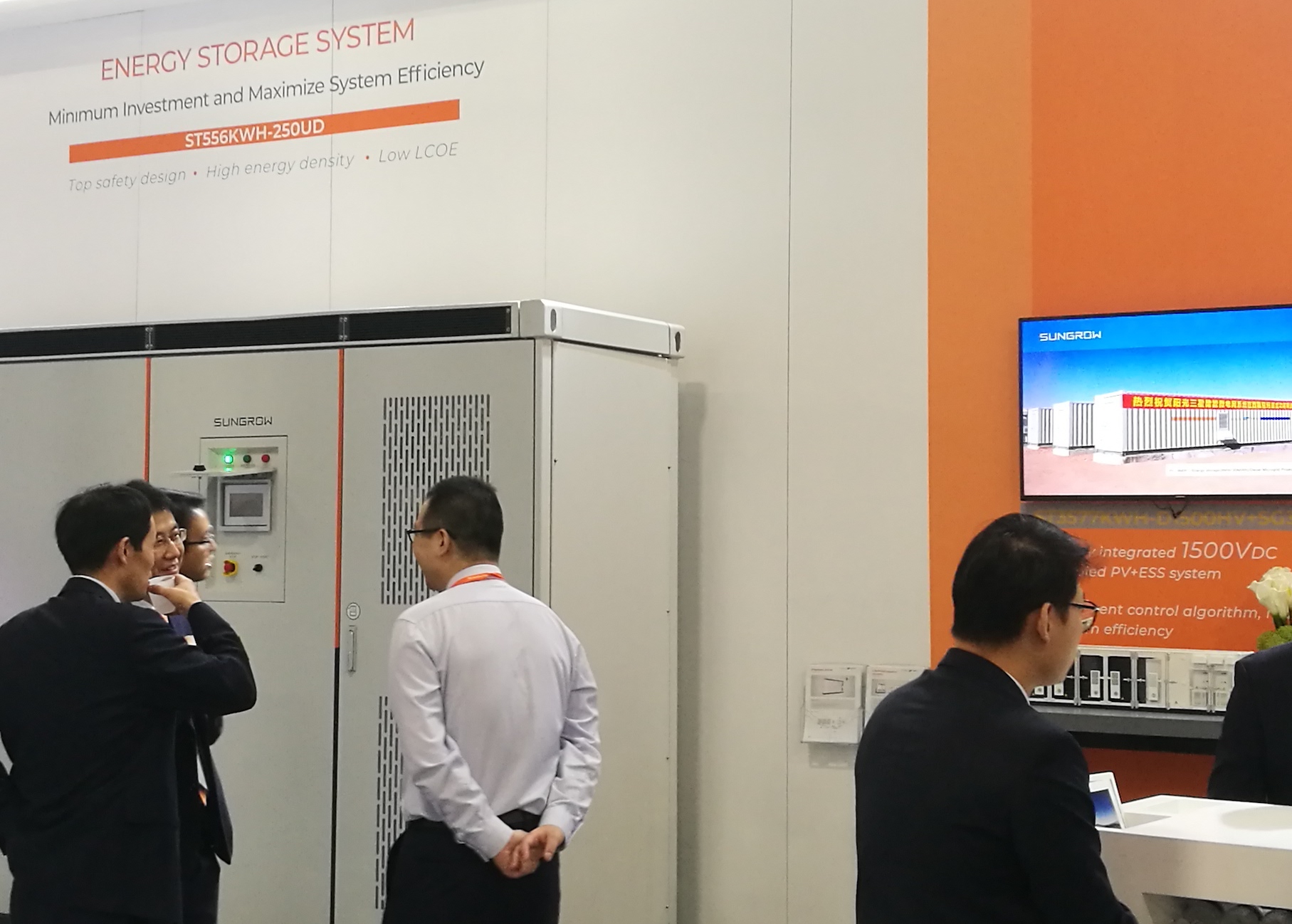
In the latest piece of solar (and storage) news to emerge from the state, Sungrow said it will deliver a fully-integrated solution (ESS ST4200KWh-2000) to Stem’s 15MW / 32MWh Massachusetts project.
The scheme will be one of the first solar projects with batteries attached to contribute to the state’s much-feted Solar Massachusetts Renewable Target (SMAR) programme as, well as playing into New England ISO wholesale markets. The projects will be spread across five distribution sites, originally announced as 28.2MWh of large-scale co-located storage for solar.
Sungrow describes its solution as future-proof, coming with integrated PCS and li-ion battery, an energy management system, controls, HVAC and fire suppression systems in 40ft containerised configurations. The China-headquartered inverter maker has a partnership in place with Samsung SDI (Sungrow Samsung SDI). Earlier this year, PV Tech founder and senior news editor Mark Osborne identified that along with EPC activities, energy storage has already become a growing area of interest, activity and revenues for Sungrow.
Try Premium for just $1
- Full premium access for the first month at only $1
- Converts to an annual rate after 30 days unless cancelled
- Cancel anytime during the trial period
Premium Benefits
- Expert industry analysis and interviews
- Digital access to PV Tech Power journal
- Exclusive event discounts
Or get the full Premium subscription right away
Or continue reading this article for free
In other news from Massachusetts, just this week, National Grid announced the switch-on of a 48MWh Tesla battery system on Nantucket, while the likes of ENGIE and its ENGIE Energy Storage (formerly Green Charge) subsidiary have also begun a wave of projects in the state. It has also been recently commented to Energy-Storage.news that policies including SMART, entry into wholesale markets and perhaps most critically the Clean Peak Standard, will continue to accelerate deployment of storage in the New England state.