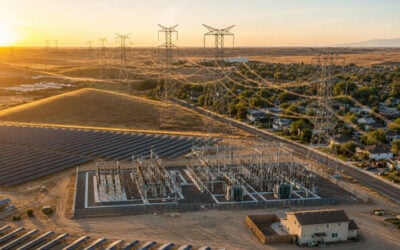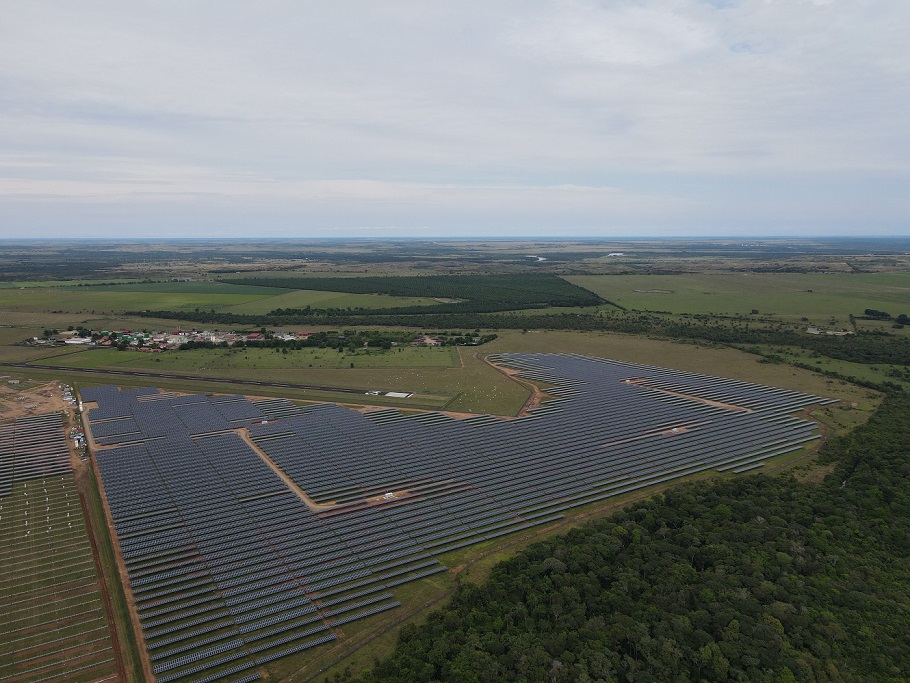
Spanish renewables platform Matrix Renewables has closed financing for construction of its California-based Gaskell 2 and 3 solar-plus-storage projects, which are already in an advanced construction phase.
US$217 million was provided by MUFG, HSBC, National Bank of Canada and Commonwealth Bank to finance the construction loan, tax equity bridge loan and back-levered term loan for the projects on top of US$92 million received from Bank of America in June.
The projects have a combined capacity of 143MW of solar PV alongside an 80MWh storage system. Five power purchase agreements (PPAs) are in place with utilities and cities in California to offtake the power generated.
To read the full version of this story, visit PV Tech.
This article requires Premium SubscriptionBasic (FREE) Subscription
Already a subscriber? Sign In
Try Premium for just $1
- Full premium access for the first month at only $1
- Converts to an annual rate after 30 days unless cancelled
- Cancel anytime during the trial period
Premium Benefits
- Expert industry analysis and interviews
- Digital access to PV Tech Power journal
- Exclusive event discounts