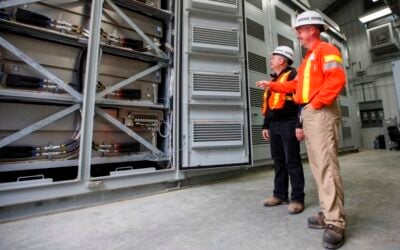
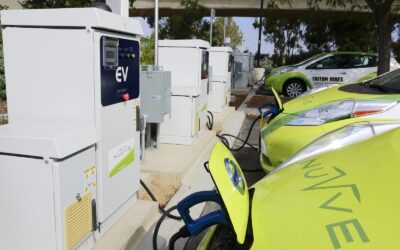
Technologies from US V2G solutions company Nuvve and NGK’s sodium sulfur batteries will provide ancillary services and other grid stability applications in Japan.
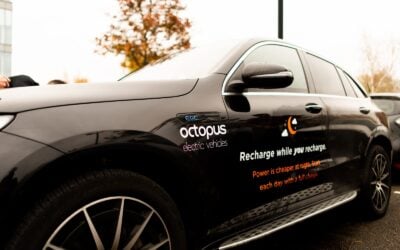
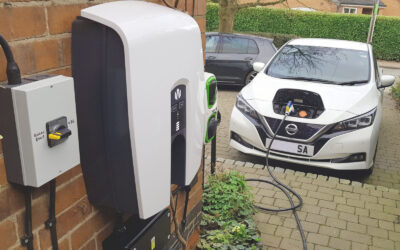
Domestic vehicle-to-grid (V2G) can deliver ancillary services to the UK’s electricity network and earn revenues, but what is thought to be the world’s biggest trial of the technology has found that the costs of associated hardware are still too high for many consumers.
V2G can significantly reduce energy system greenhouse gas emissions, as well as ensure resilience in the event of power outages and prolong the battery life of an EV, according to a review of nine projects across Europe.
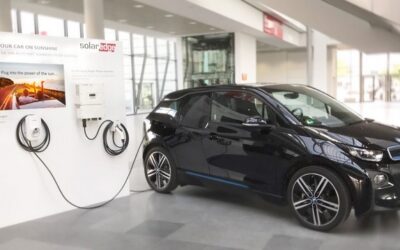
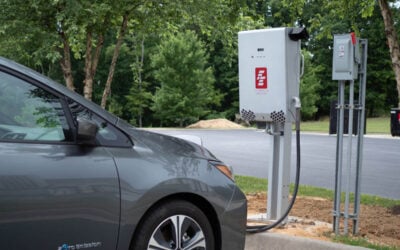
An electric vehicle-to-grid (V2G) charging system, which allows for bi-directional flows of power from US maker Fermata Energy has become the first to receive certification under a new standard introduced by UL.
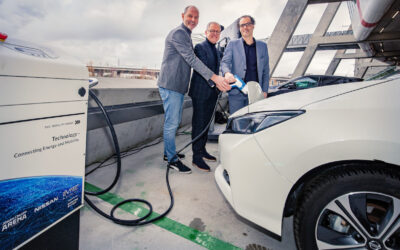
Vehicle-to-grid (V2G) technology has gone into use at Johan Cruyff Arena in Amsterdam, with energy infrastructure installed onsite including a 3MW battery energy storage system allowing visitors to both charge their cars at the stadium and put power back into it.