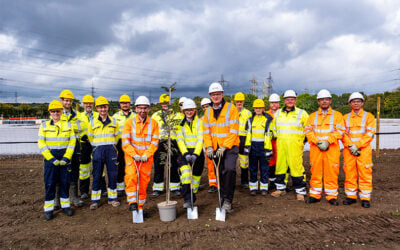
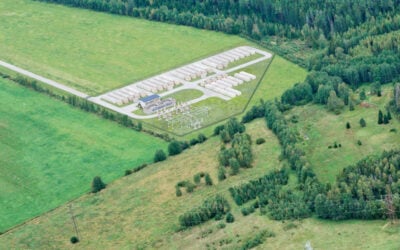
UK utility SSE’s renewable energy arm has started constructing a 320MW/640MWh battery energy storage system (BESS) in North Yorkshire. When completed, it will be one of the country’s largest.
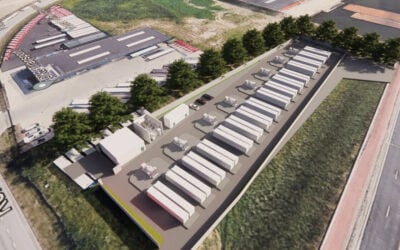
Fluence Energy GmbH, a subsidiary of battery storage system integrator Fluence, will provide solutions for Germany’s largest solar-plus-storage project.
While everyone agrees the capacity market (CM) is the foundation of the business case for BESS in Poland, that might not always be the case, one developer suggested.
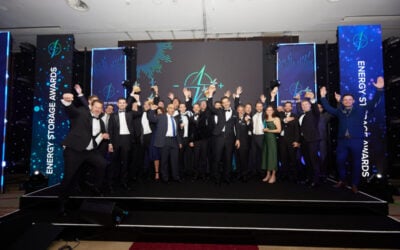
Leading energy storage developers, system integrators, products, projects, people, and much more are featured on the shortlists for this year’s Energy Storage Awards (ESAs).
Engineering consultancy Sweco has been contracted to design one of Europe’s largest battery energy storage systems with a storage capacity of 2,800MWh in Belgium.
BESS developer and operator Dais Energy will reach ready-to-build (RTB) status on 190MW of a 250MW Denmark project portfolio in the coming months, CEO Daniel Connor told Energy-Storage.news.
Renewable energy developer TagEnergy has energised what it claims is the UK’s ‘largest’ transmission-connected battery energy storage system (BESS): the 100MW/200MWh Lakeside project in North Yorkshire.