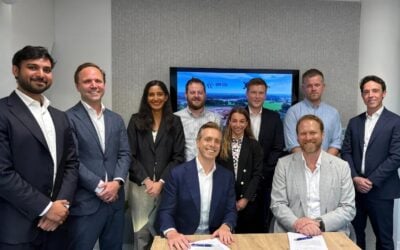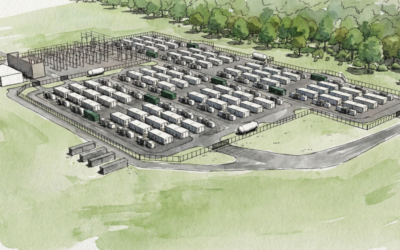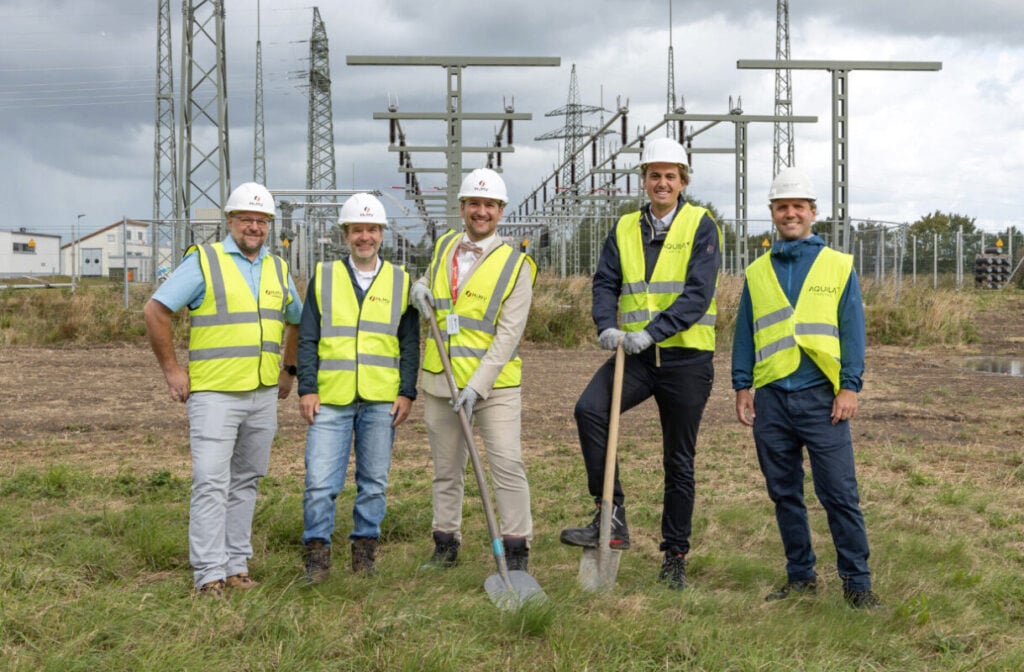
BESS developer-operator Aquila Clean Energy has started building a 50MW/100MWh project in Germany, its first major one in the country.
The company announced the start of construction on the project in the Strübbel municipality in the state of Schleswig-Holstein earlier this week (26 August). It is the first of 14 projects planned in Germany with a total power capacity of 900MW.
Solar PV manufacturer Trina Solar will provide the lithium iron phosphate (LFP) battery energy storage system (BESS) units from its storage arm Trina Storage, while H&MV Engineering will construct the project. Trina’s BESS product Elementa uses in-house manufactured battery cells.
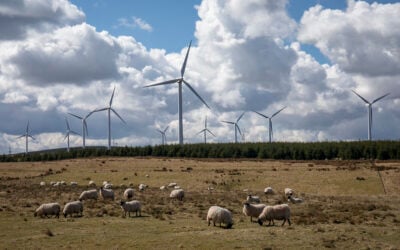
Strübbel is in the onshore wind area between Hamburg and St. Peter-Ording, which Aquila said creates ideal conditions for balancing out intermittent renewable energy generation.
Try Premium for just $1
- Full premium access for the first month at only $1
- Converts to an annual rate after 30 days unless cancelled
- Cancel anytime during the trial period
Premium Benefits
- Expert industry analysis and interviews
- Digital access to PV Tech Power journal
- Exclusive event discounts
Or get the full Premium subscription right away
Or continue reading this article for free
Schleswig-Holstein is in northern Germany, where most renewable energy generation is, while most demand centres are in the south. That imbalance creates a need for energy storage, to balance regional differences in supply and demand but also for storage-as-transmission projects, covered most recently here.
System integrator Fluence’s senior manager for policy and market development said on LinkedIn this week that revenues for BESS in Germany have soared this summer, to around €308,000 per MW on an annualised basis, six times higher than in the UK. It’s been a volatile time however, with BESS owner-operator Gore Street revealing that revenues there for the year to March 2024 had fallen by 47% to around €95,000 per MW.
Andrew Wojtek, CEO of Aquila Clean Energy EMEA, said: “Battery storage systems contribute significantly to system stability in an electricity mix with a high share of renewable energies and are therefore a crucial factor for the achievement of our objective of making affordable, clean electricity available to market participants.”
Aquila Clean Energy, part of Aquila Capital, is a renewable and energy storage developer active across Europe and Australia. In energy storage, it was an early mover in Belgium, and is also actively developing projects in Italy, Poland, Australia and elsewhere.