The electricity regulator for Rajasthan, India, has approved the lowest tariff rate for a grid-scale battery storage tender in the country so far.
Rajasthan Electricity Regulatory Commission (RERC) announced on Tuesday (17 June) that it has approved the tariffs awarded to successful developers that bid in a tender for 500MW/1,000MWh of battery energy storage systems (BESS), hosted by state electricity purchasing agency Rajasthan Rajya Vidyut Utpadan Nigam (RUVNL).
Tariffs discovered through competitive bidding at IR221,000 (US$2,552.25) to IR224,000/MW/month are the lowest in India to date.
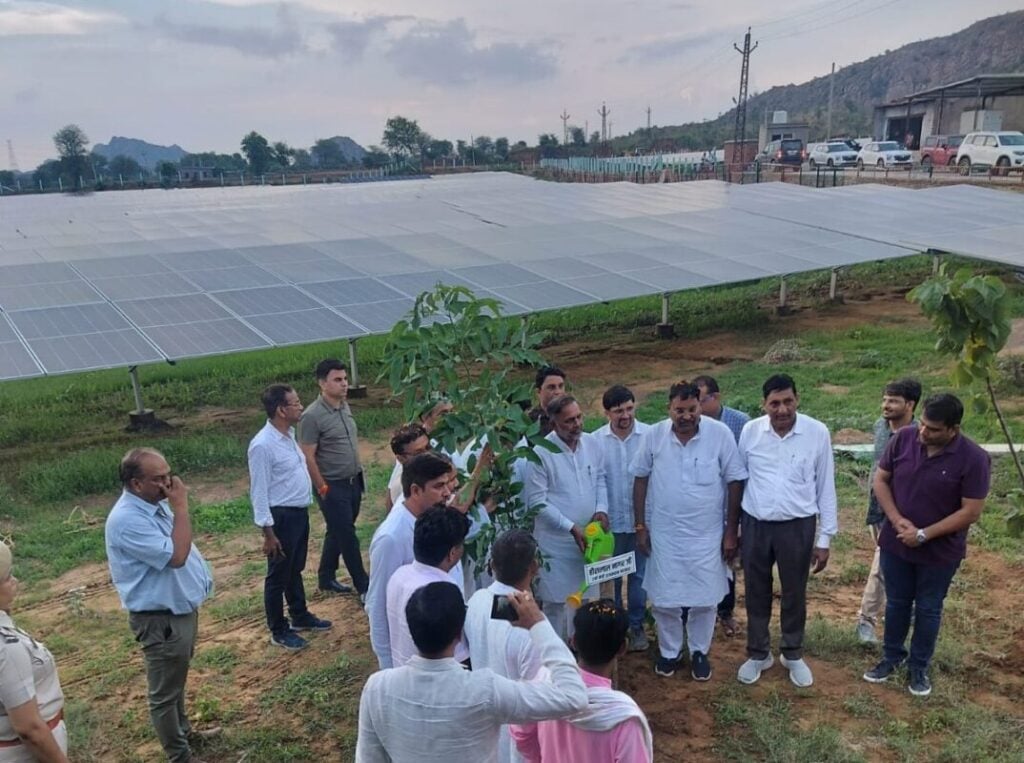
Heeralal Nagar, Minister of State for the Energy Department of Rajasthan said that participants of the competitive bidding process included winners JSW Neo Energy (awarded 500MWh), Solarworld Energy Solutions (250MWh), Rays Power Experts (awarded 150MWh) and Oriana Power (awarded 100MWh).
Try Premium for just $1
- Full premium access for the first month at only $1
- Converts to an annual rate after 30 days unless cancelled
- Cancel anytime during the trial period
Premium Benefits
- Expert industry analysis and interviews
- Digital access to PV Tech Power journal
- Exclusive event discounts
Or get the full Premium subscription right away
Or continue reading this article for free
The four winners were selected from 11 submitted bids, with Reliance Nu Energies and NTPC Renewable Energy among those missing out.
Projects will be implemented through RUVNL on a build, own, operate (BOO) basis at RUVNL power plant sites or at substations operated by the state’s high-voltage transmission system operator (TSO), Rajasthan Rajya Vidyut Prasaran Nigam Limited (RVPN).
They will also be eligible for the Indian Union Government’s Viability Gap Funding (VGF) scheme, which provides Capex support worth about a third of the investment and aims to support the take-off of the country’s nascent standalone BESS sector.
After initially launching a couple of years ago to support a planned 4GWh of projects, and then eventually opening it up to more than 13GWh tendered for so far, India’s government recently increased the amount of capacity targeted by the VGF scheme by a further 30GWh.
RERC was established at the beginning of the 2000s as the regulator of generation, supply, transmission, and third-party sale and procurement of electricity in the northwest Indian state. Its remit includes determining tariffs for electricity, including wholesale, bulk, or retail, within Rajasthan.
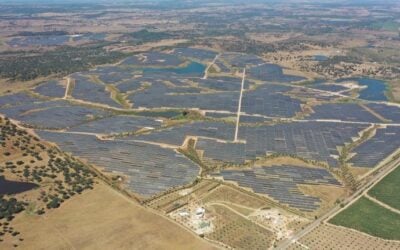
The state is one of the country’s leaders in solar PV adoption: according to research firm Mercom, Rajasthan installed just under one-third (32%) of India’s 22GW of total new utility-scale solar PV generation capacity added in 2024.
India Energy Storage Alliance (IESA) president Debmalya Sen wrote about how tenders are rapidly transforming and helping to develop India’s energy storage sector in a recent Guest Blog for Energy-Storage.news, which covered the country’s energy storage adoption curve and attendant challenges from deployment to manufacturing.
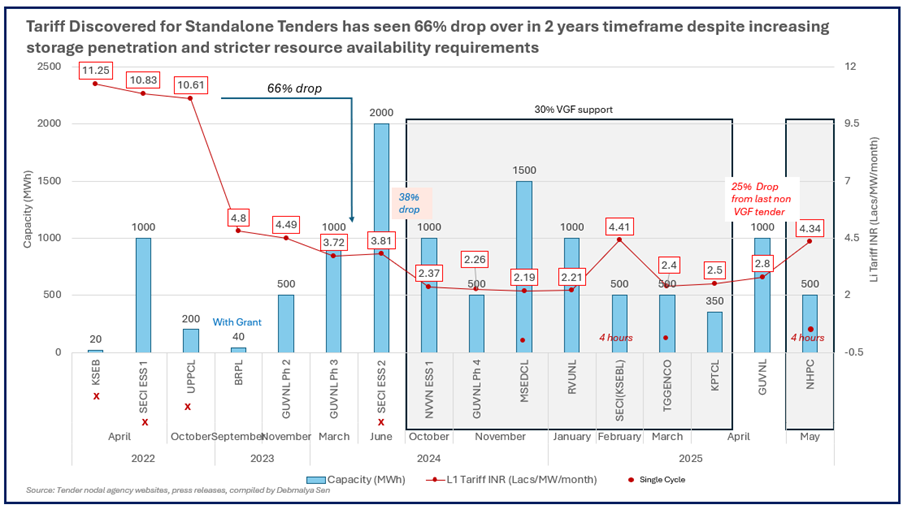
National and state agencies are holding tenders for storage paired with renewables, firm dispatchable renewable energy (FDRE) and round-the-clock (RTC) renewables, while standalone BESS tenders, the most recent addition to the tender schemes, saw a 66% fall in tariff prices in the two years since they were first held in 2022, Sen wrote.
VGF funding has driven those prices down a further 38%, according to Sen’s chart below, and while the Rajasthan tender is currently the lowest approved tariff, even lower tender prices have been discovered, notably in a Maharashtra State Electricity Distribution Company Limited (MSEDCL) tender hosted shortly before RUVNL’s.