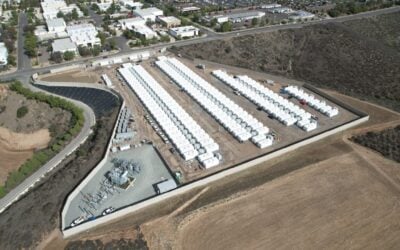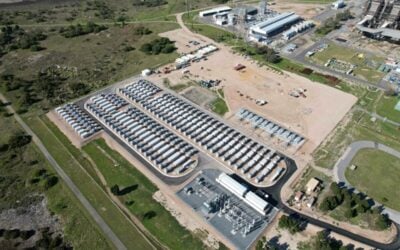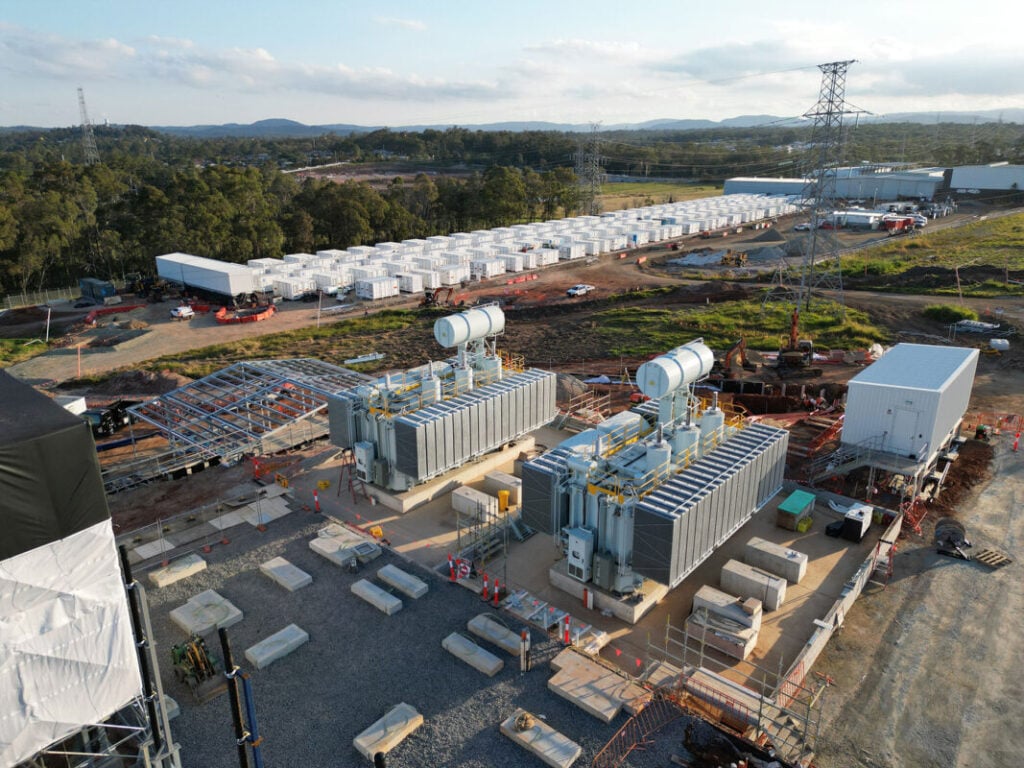
Quinbrook Infrastructure Partners has submitted the 780MW second stage of its Supernode battery energy storage system (BESS) to Australia’s Environment Protection and Biodiversity Conservation (EPBC) Act process for review.
This follows the successful commissioning of the Queensland project’s first stage, a 260MW/619MWh facility located at the South Pine substation, which commenced commercial operations earlier this year.
Stage One is now delivering its full output to the Queensland electricity grid and the National Electricity Market (NEM) under a 12-year tolling agreement with Origin Energy.
The facility has been designed to provide grid stability, flexibility, and firming capabilities, optimising renewable energy production during peak and off-peak periods.
Try Premium for just $1
- Full premium access for the first month at only $1
- Converts to an annual rate after 30 days unless cancelled
- Cancel anytime during the trial period
Premium Benefits
- Expert industry analysis and interviews
- Digital access to PV Tech Power journal
- Exclusive event discounts
Or get the full Premium subscription right away
Or continue reading this article for free
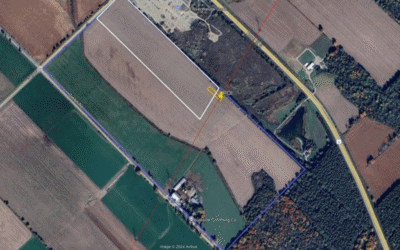
The Stage Two development encompasses a project area of approximately 41 hectares, spanning two adjoining allotments and a road reserve.
The proposed action includes the construction, operation, and maintenance of a 780MW BESS and substation facility, supported by enabling infrastructure, including internal roads, parking, switchgear, transformers, site offices, and storage areas.
The BESS will utilise lithium-ion battery technology, with components housed in containerised units similar in size to shipping containers. The substation will connect the BESS to the grid and house critical electrical equipment, including switchgear, circuit breakers, and control systems.
Additionally, a water management system will be implemented to manage stormwater runoff and ensure compliance with environmental standards. The system will include stormwater basins, drainage channels, and overland flow paths designed to handle both minor and major weather events.
The project area, previously used as an agricultural research station, consists of cleared, degraded land with localised areas of remnant and regrowth vegetation outside the development footprint.
Quinbrook has identified potential environmental impacts associated with the project and has outlined mitigation measures in its EPBC submission to address these concerns.
The strategic location of the Supernode project, adjacent to Queensland’s central electricity transmission network, where approximately 80% of the state’s electricity flows daily, enables the facility to play a pivotal role in stabilising the grid and supporting the integration of renewable energy sources.
Stage Two, currently under regulatory review, will further enhance the project’s capacity, bringing the total to 780MW/3,074MWh by 2027. Quinbrook has also announced plans for a Stage Four expansion, which will include the deployment of its EnerQB long-duration energy storage (LDES) solution, developed in partnership with CATL.
The company plans to deploy approximately 3GW of EnerQB technology across Australia, equivalent to 24GWh of storage capacity.
The development of the Supernode project has been supported by significant financial backing. In January 2025, Quinbrook secured AU$722 million (US$477 million) in debt financing for the construction of stages one and two.
This financing package, arranged through a consortium including Bank of America, Commonwealth Bank, Deutsche Bank, Mizuho Bank, and MUFG Bank, supports the development of the first two project phases.
Quinbrook has also secured a 1,010MWh offtake agreement with Stanwell Corporation, Queensland’s government-owned energy generator, for the project’s third stage. Origin Energy has contracted 100% of the capacity for stages one and two under long-term agreements.
Collaboration with Powerlink Queensland and the Moreton Bay Regional Council has been deemed “instrumental” in the project’s development. Powerlink has supported grid connection and operational readiness, while the council has facilitated local approvals and infrastructure planning.
The Energy Storage Summit Australia 2026 will be returning to Sydney on 18-19 March. It features keynote speeches and panel discussions on topics such as the Capacity Investment Scheme, long-duration energy storage, and BESS revenue streams. ESN Premium subscribers receive an exclusive discount on ticket prices.
To secure your tickets and learn more about the event, please visit the official website.