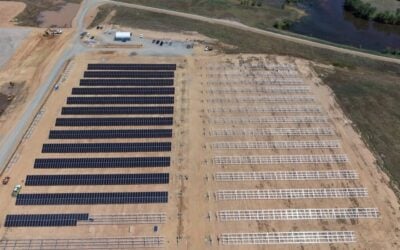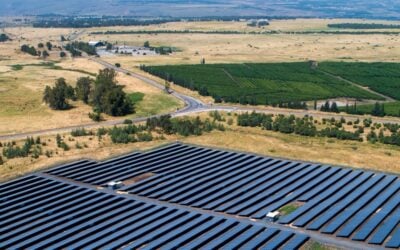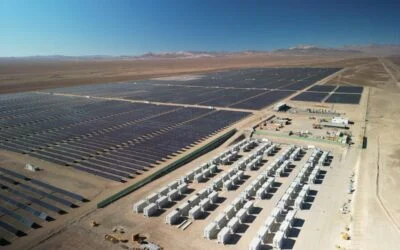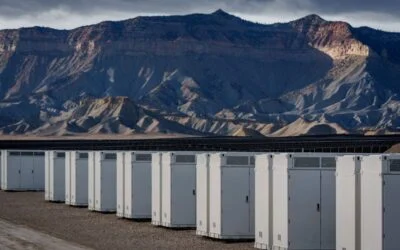
The Puerto Rico Energy Bureau (PREB) has approved the deployment of 430MW of 4-hour duration (1,720MWh) battery energy storage system (BESS) technology, according to reports.
Media outlets including the local San Juan Daily Star said late last week that PREB issued a resolution on 8 November, giving the go-ahead to a plan by power plant operator Genera PR to install battery storage across its fleet of peaker and baseload thermal power plants.
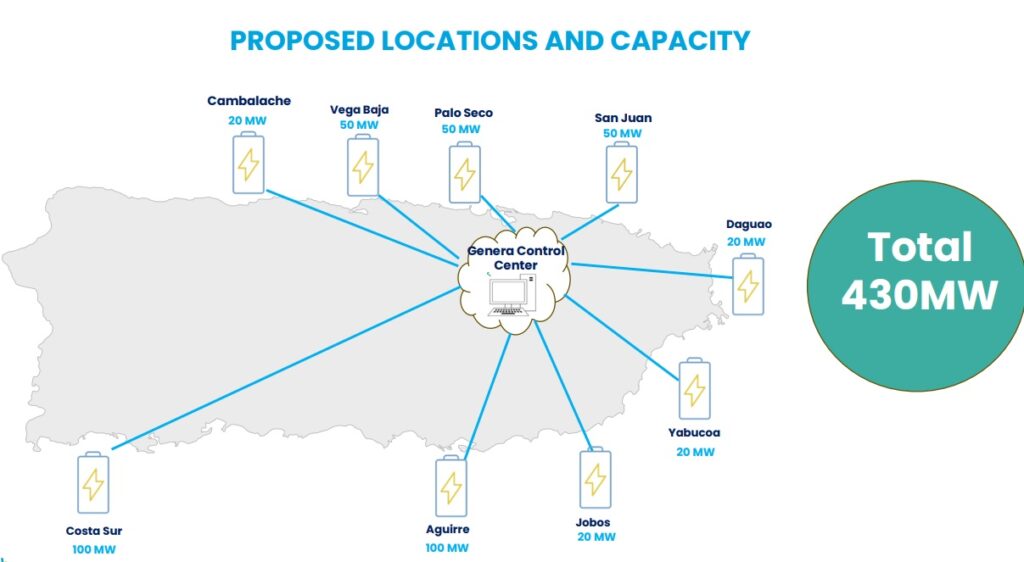
In total, the BESS units would be spread across nine sites, four of them peakers and the remining five baseload power plants, including four 20MW output storage systems, three 50MW systems and two 100MW systems.
Although neither PREB or Genera PR responded to requests from Energy-Storage.news for confirmation and further information on the approvals ahead of publication, a proposal document from Genera PR submitted to the authority on 27 October was made available on PREB’s website.
Try Premium for just $1
- Full premium access for the first month at only $1
- Converts to an annual rate after 30 days unless cancelled
- Cancel anytime during the trial period
Premium Benefits
- Expert industry analysis and interviews
- Digital access to PV Tech Power journal
- Exclusive event discounts
Or get the full Premium subscription right away
Or continue reading this article for free
Additionally, PJ Wilson, president of the Solar + Energy Storage Association of Puerto Rico (SESA), told Energy-Storage.news the move was a positive one, that would assist LUMA, the entity tasked with coordinating the rebuild and redesign of Puerto Rico’s transmission and distribution (T&D) grid together with FEMA, to manage flows on the network.
“More storage is always a good thing,” Wilson said.
“Deployment of large amounts of large-scale storage should help alleviate potential ‘hosting capacity’ concerns, as well as become an important tool in the toolkit available to LUMA to help avoid blackouts on the island.”
Federal funding sought for BESS buildout
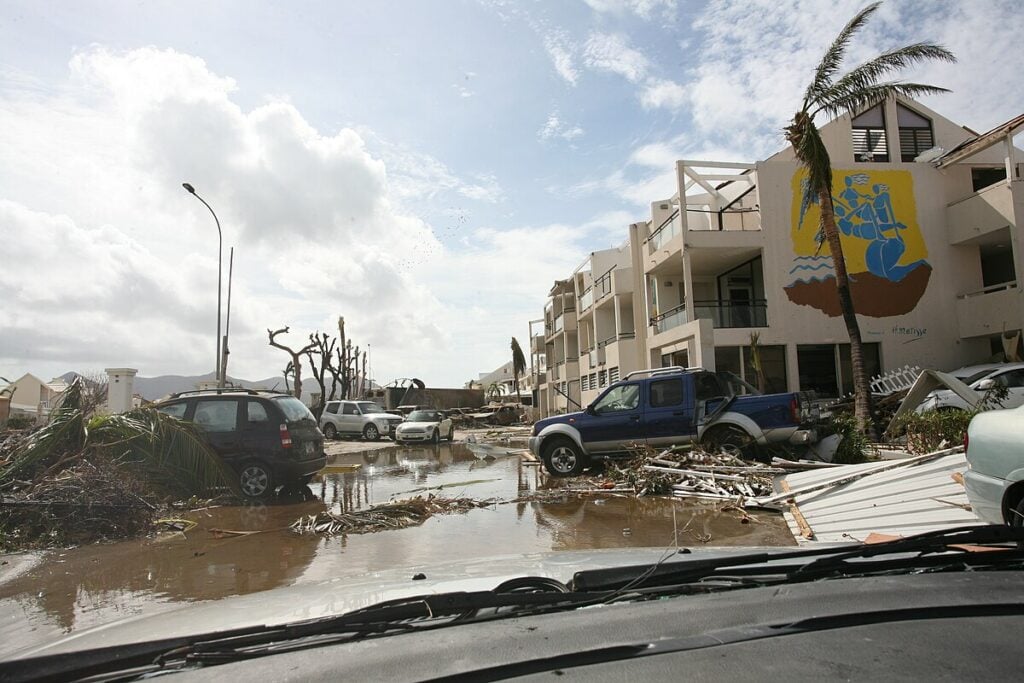
Puerto Rico’s energy sector was already in dire straits due for financial reasons with the Puerto Rico Electric Power Authority (PREPA) declaring bankruptcy in 2017, just a couple of months before hurricanes and then a 2020 earthquake damaged or destroyed as much as 80% of the grid’s infrastructure.
Genera PR – a subsidiary of liquefied natural gas (LNG) company New Fortress Energy – was appointed early this year as manager of the island’s power fleet. Selected by PREPA and the Puerto Rico Public-Private Partnership Authority (P3 Authority) to modernise the fleet over 10 years, the move effectively took the sector into privatisation.
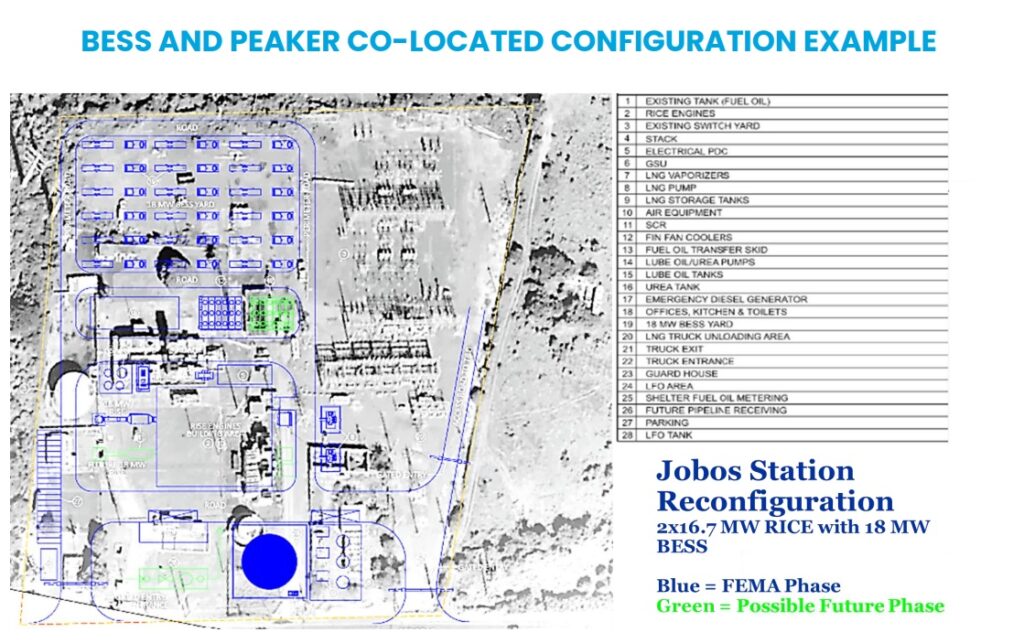
It is at these PREPA legacy facilities that Genera PR proposed building its battery systems, using their existing points of interconnection (POI) to the grid. Genera PR said the intention is to “maximise the electrical injection capacity available without overloading existing grid capabilities”.
As has been seen in many other territories at scale, including the US and more recently the Philippines, batteries can improve the operational and economic efficiencies of thermal power plants, reducing the cost of fuel and maintenance. Reducing the amount of fuel burned can also be of environmental benefit.
Genera PR also posted to its own website a comment from its VP of regulatory affairs Katiuska Bolaños to the effect that the company is working with FEMA and the Central Office of Recovery, Reconstruction and Resiliency (COR3) to get the 430MW buildout federally funded.
Bolaños quoted the estimated cost of the project at US$650 million, and said that after getting PREB approval, Genera PR would begin competitive solicitations for the BESS equipment and for construction services.
“The company’s goal is to begin this process as soon as possible, due to the challenges in manufacturing and delivery time in a project of this magnitude,” Bolaños said.
According to Genera PR, the battery systems would provide a broad range of applications and services for the grid, including grid support ancillary services like fast-spinning reserve, load-levelling, voltage control and frequency regulation.
Batteries can provide many of these services more efficiently than thermal power plants due to the ability of BESS to respond to signals from the grid in microseconds, and inject or absorb power much more quickly, while not requiring time to warm up before going into action.
The BESS would be charged daily during prime solar PV generation hours in the morning to early afternoon.
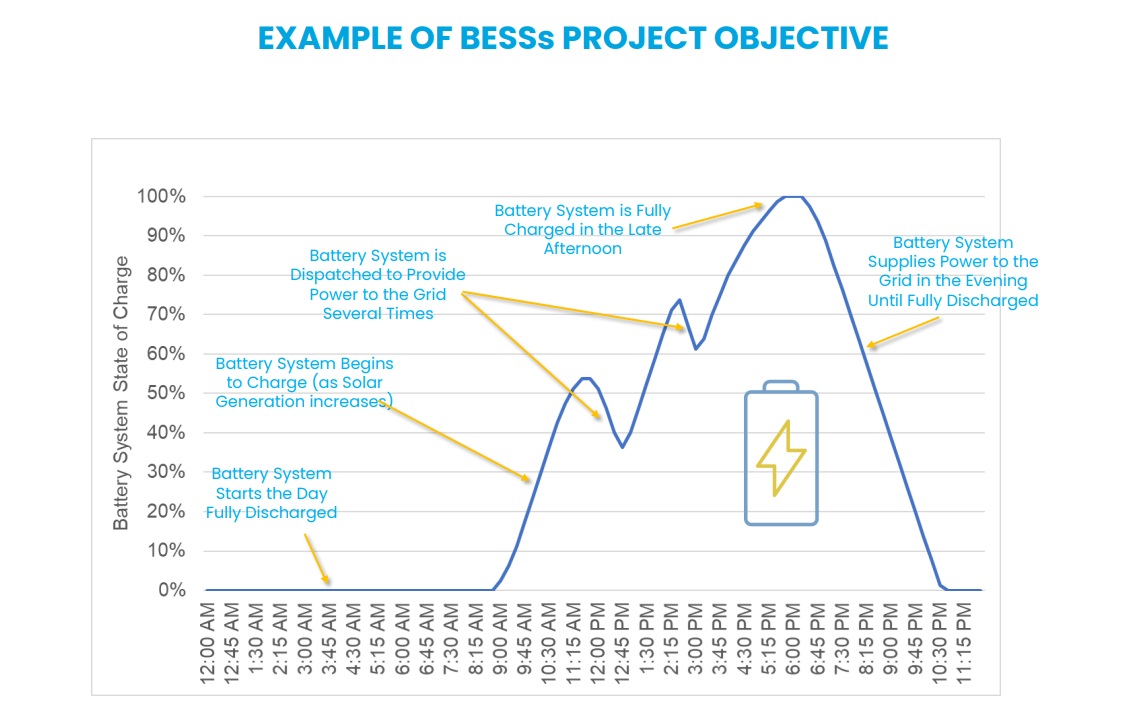
Genera PR noted in its presentation to PREB that 95 load-shedding events have occurred in the territory since October last year, which the systems would help mitigate.
While US and island authorities have sought to bolster the rebuilt grid with renewable energy and battery storage facilities – to some extent even designing the rebuild around those technologies – this has largely been focused on residential and commercial and industrial (C&I) systems, with some success, as this article by our colleagues at PV Tech analysed (Premium Access required). The region sits among the top US markets for residential batteries, according to Wood Mackenzie Power & Renewables.
In July, the US Department of Energy (DOE) said it would allocate just over US$450 million for a rollout of residential solar PV and battery storage in Puerto Rico, representing the first tranche of funding in a billion dollar resiliency programme.
Last week the DOE selected three solar and power equipment leasing and installation companies: Sunrun, Sunnova and Generac, to carry out those installations. They will begin in Spring 2024 and systems will be installed at low-income and vulnerable households, such as those that experience the most frequent outages and those with medical conditions that make them more dependent on electricity.
SESA president PJ Wilson told Energy-Storage.news that the association applauded the DOE’s “approach, development and administration” in disbursing that first set of funds.
“[The] DOE realised that, by far, leases have been and are the most effective financing tool on the island for residential solar and storage systems. By focusing on making already-existing, already-successful lease programs more widely accessible to Very Low Income residents, we anticipate that the programme will achieve its intended result of causing up to 40,000 homes that otherwise wouldn’t have been able to install solar-plus-storage, to be able to do so.”
Wilson also said that while the DOE anticipates the 40,000 home installations to take about five years to carry out, SESA estimates they could all be completed within about 18-24 months, “if administered smoothly”.