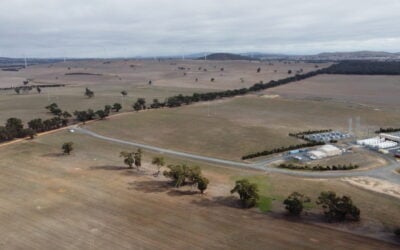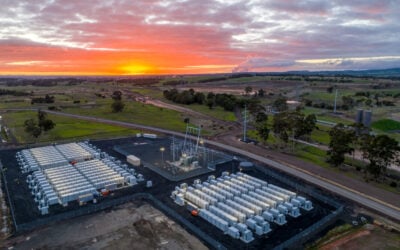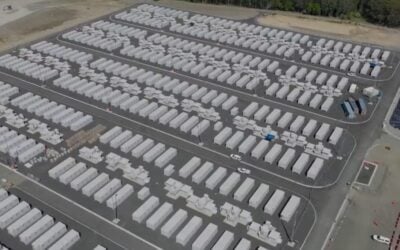
A Sydney-headquartered private investment firm and renewable energy and storage developer have lodged a development application to build a large-scale battery energy storage system in Newcastle, in the Hunter region of New South Wales in Australia.
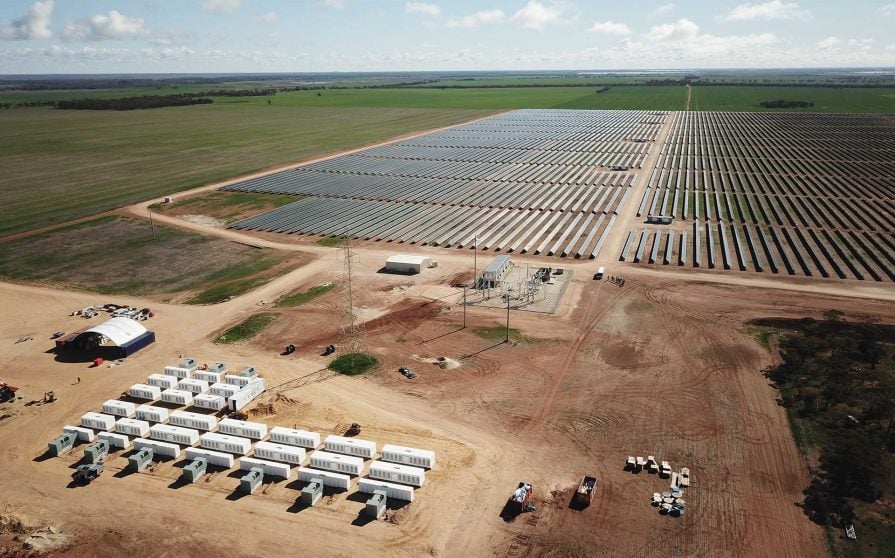
Investment company Precinct Capital formed a joint venture (JV) with Edify Energy partly due to the latter’s experience of having built a 25MW / 50MWh battery storage system at the 60MW Gannawarra solar farm in the state of Victoria a couple of years ago with solar developer Wirsol. A recent report into that project showed that it has met or exceeded performance expectations both technically and economically since it went into operation.
Precinct had identified a need for battery storage in Newcastle, to help balance the local electricity grid and maintain reliability while accommodating growing shares of renewable energy. The pair have lodged their application with Newcastle City Council for a 28MW / 56MWh battery energy storage project to be built on a 1.5 acre site in the Steel River Estate, an industrial precinct in which Precinct Capital owns land.
Construction on the battery project could be completed within six to eight months if approved, creating 20 to 30 direct jobs. The coastal City of Newcastle has in place a Climate Action Plan which includes going to 100% renewable energy within five years.
Try Premium for just $1
- Full premium access for the first month at only $1
- Converts to an annual rate after 30 days unless cancelled
- Cancel anytime during the trial period
Premium Benefits
- Expert industry analysis and interviews
- Digital access to PV Tech Power journal
- Exclusive event discounts
Or get the full Premium subscription right away
Or continue reading this article for free
“This a world class large-scale battery storage investment in the Newcastle area, and a first-of-its-kind project for the region, creating a blueprint for additional investments and local innovation,” Newcastle’s Lord Mayor Nuatali Nelmes said.
“This joint project provides benefits to the local area and wider community, including alignment with City of Newcastle’s objectives as outlined in the Climate Action Plan (CAP) through firming renewable energy supply, along with building resilience in the local Newcastle electricity network through a megawatt scale battery storage.”