Foxconn boss Terry Guo (left) with Sharp’s Kozo Takahashi at the official signing of the deal last Saturday. Image: Sharp.
Sharp has launched its latest home energy storage systems in Japan, with features geared towards meeting changes in the electricity market that are underway in the country.
The “cloud battery storage systems” align control of a lithium-ion battery with weather forecasting and rooftop PV production using the internet, to allow for optimum use of resources. System users will be able to use their own PV power on sunny days and limit the amount of more costly daytime energy they buy on cloudy or rainy days. At present there is some difference between daytime and cheaper night-time prices of electricity in Japan but not a great deal, however, changes are expected over the next few years.
The launch happens just a few days after Taiwanese equipment assembly giant Foxconn completed its acquisition of more than 60% of Sharp, in what both parties called a “strategic alliance”. Questions still remain over the future of various segments of Sharp’s businesses including its energy solutions division, which includes solar panel manufacturing, energy management systems, energy storage and LED lighting.
Japan’s residential PV market dynamics will call for increased storage options
Try Premium for just $1
- Full premium access for the first month at only $1
- Converts to an annual rate after 30 days unless cancelled
- Cancel anytime during the trial period
Premium Benefits
- Expert industry analysis and interviews
- Digital access to PV Tech Power journal
- Exclusive event discounts
Or get the full Premium subscription right away
Or continue reading this article for free
However, at the beginning of this week Sharp Corporation president and CEO Kozo Takahashi posted a statement on the company’s website reaffirming its commitment to existing customers of the segment, stating that it would continue under the Sharp brand. Takahashi said the Energy Solutions business would target different regions based on local need and market conditions, in accordance with the partners’ medium-term plans. Takahashi said this would include solar, storage and home energy management (HEMS) solutions, as well as mega solar (utility-scale), potentially encompassing a growth in O&M operations in Japan and overseas.
As observed at the World Smart Energy Week and PV Expo events in Tokyo last month, within Japan, the growth of home energy storage tied with PV is expected to come from three changing market dynamics: the deregulation of the electricity retail market giving consumers more choice of supplier, the tapering off of the feed-in tariff (FiT) paid for renewables generators over the next three years leading to the increased desirability of higher levels of self-consumption and perhaps most significantly, the coming of a Zero Energy Housing standard for all new homes in 2020. The majority of big residential PV providers in Japan, including Panasonic, Kyocera, Solar Frontier and overseas firms such as Canadian Solar, already offer their systems in complete kits, including inverter, panels with battery storage and energy management gradually being added to those suites.
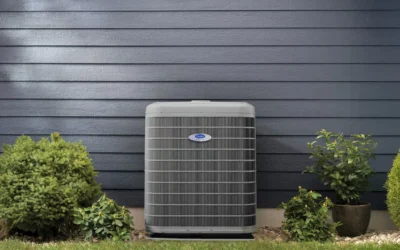
Sharp’s “cloud storage battery systems”, available in Japan. IMage: Sharp.
E.On also moving into ‘complete solutions’ for homes
German utility E.ON is including options for a PV system in its home battery system package, as well as access to a green energy tariff. The company, which split its operations in renewables and cleantech apart from its business based on “conventional” power sources, recently partnered with German PV module and storage manufacturer Solarwatt.
Energy Storage News recently caught up with Felix Brauer, training coordinator at SolarWatt, to discuss some of the technical details and benefits of the lithium-ion battery system, based on SolarWatt’s ‘MyReserve’ product, but named ‘E.ON Aura’ when sold by E.ON.
E.ON has started selling the storage system in Germany while giving customers the option for the E.ON Aura tariff, which the utility claims will provide an electricity service from 100% renewables sources.
The battery also comes with a tailored app to help customers assess their home energy production and consumption and compare usage over time. It can also learn to adopt household user patterns.
Additional reporting by Tom Kenning.