Utility Portland General Electric (PGE) has announced the procurement of a 75MW battery energy storage system (BESS) project in the state of Oregon, building on another 400MW round last month.
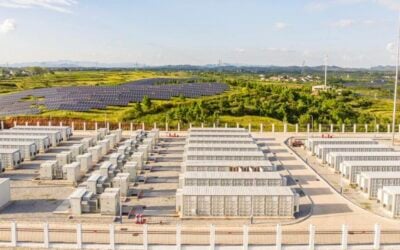
The utility has announced the procurement of the Evergreen BESS which will be built by engineering, procurement and construction (EPC) firm Mortsensen. It will be located at a substation which is also under construction, in Hillsboro, and will begin service in 2024.
It comes after PGE procured some 400MW of BESS capacity split across two large-scale projects earlier this month, also for 2024 delivery, covered by Energy-Storage.news at the time.
Evergreen is the final project the utility is procuring as part of its 2021 Request for Proposal (RFP), which sought 375-500MW of renewable energy capacity and another 375MW of “non-emitting dispatchable capacity”, a category into which energy storage falls.
Try Premium for just $1
- Full premium access for the first month at only $1
- Converts to an annual rate after 30 days unless cancelled
- Cancel anytime during the trial period
Premium Benefits
- Expert industry analysis and interviews
- Digital access to PV Tech Power journal
- Exclusive event discounts
Or get the full Premium subscription right away
Or continue reading this article for free
Part of that procurement was a massive 311MW wind farm called Clearwater which is scheduled to begin operations in late 2023.
Commenting on the procurement of Evergreen, PGE president and CEO Maria Pope said: “From Clearwater to Evergreen, Portland General Electric is building Oregon’s clean energy future. Our wind, solar, hydro and battery storage facilities work together as part of a resilient grid to provide safe and reliable energy while helping us to manage costs.”
All the aforementioned BESS projects will use lithium-ion battery technology, but PGE has also explored alternatives. In January last year it deployed ESS Inc’s iron flow battery technology in a demonstrator project totalling 3MWh, looking at frequency response, contingency reserve, voltage and VAR support, demand response and resource optimisation.