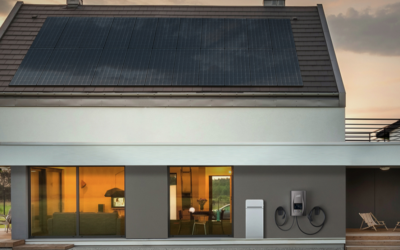
The project will be paid for through crowdfunding and a loan. Image: Africa Green Tec.
German manufacturer Tesvolt will supply 3MWh of energy storage to 25 villages in Mali, Africa, which the company claims will allow the currently diesel-reliant residents to drastically reduce electricity costs.
Tesvolt said this morning that it has struck a deal with social start-up Africa Green Tec to supply lithium battery storage systems coupled with solar. A total of 50 containerised solar-plus-storage systems will be installed, each with a 37-45kWp solar PV system and 60kWh of battery storage.
The Malian villagers are currently paying around €1.50 (US$1.59) per kWh via diesel generators, or are left with no power at all. Tesvolt claims its containerised solution will provide power for just €0.20 per kWh. In addition to saving money, the solar-plus-storage system will be much cleaner than diesel and eliminate noise pollution.
The total project, to be completed by the end of 2018, will cost €150,000 per container, thought to include both the solar and storage components. The initial cost is being covered by crowdfunding and the latter portion by a loan.
Try Premium for just $1
- Full premium access for the first month at only $1
- Converts to an annual rate after 30 days unless cancelled
- Cancel anytime during the trial period
Premium Benefits
- Expert industry analysis and interviews
- Digital access to PV Tech Power journal
- Exclusive event discounts
Or get the full Premium subscription right away
Or continue reading this article for free
The villagers will be able to use power at dusk from around 6pm until 10pm, in addition to around nine hours during daylight. It may in fact be easier to work in the evening hours as average temperatures during the day can be 45°C. The made-in Germany lithium iron phosphate battery storage systems have their own solar-powered cooling elements.
This summer Tesvolt was awarded a 2.68MWh project in Rwanda, to power water pumps in combination with a utility-scale solar installation. This is in addition to projects in the UK, Germany and the Dutch Caribbean. Tesvolt started supplying storage systems to markets including Germany’s commercial and industrial segment in 2015, sealed a tie-up with SMA inverters, and said it was targeting a turnover of €15 million this year.
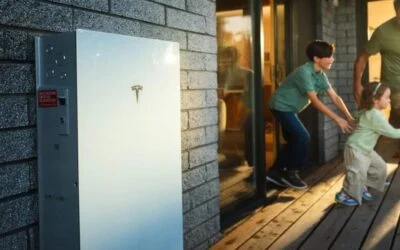
Tesvolt’s lithium iron phosphate battery systems are made in Germany. Image: Tesvolt.